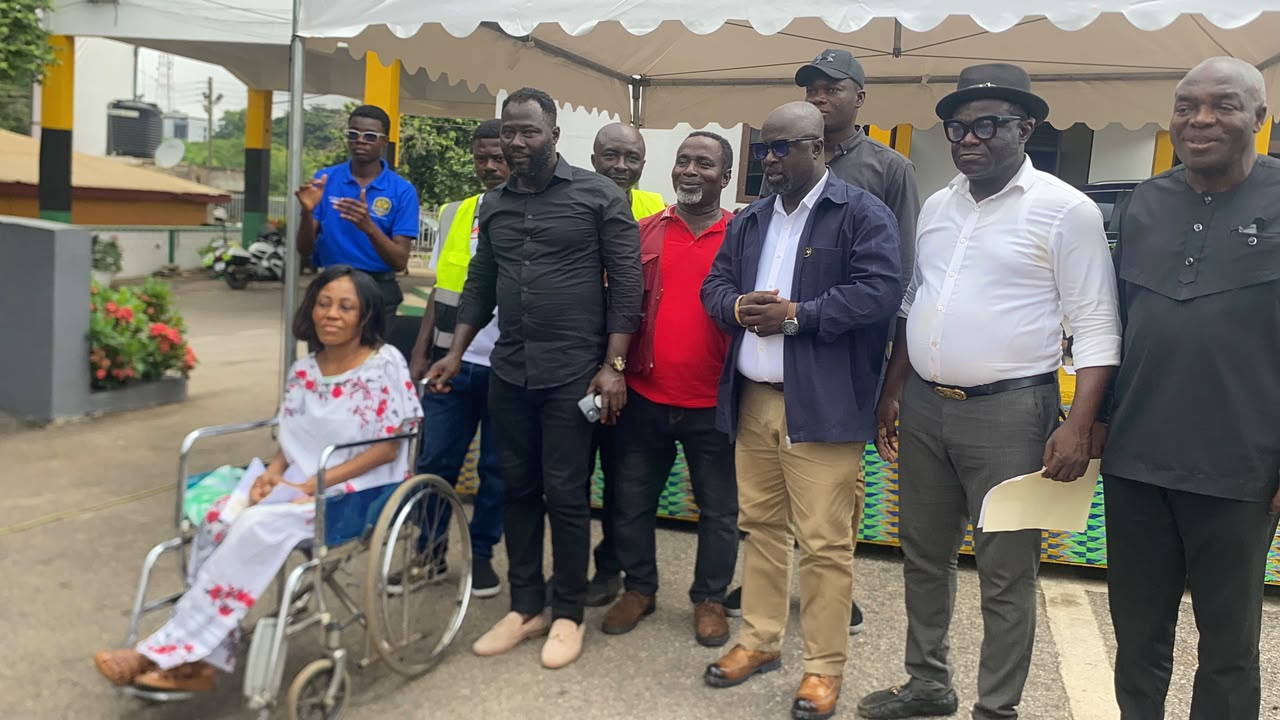
The Kumasi Metropolitan Assembly (KMA) has provided cash grants and business equipment to 57 Persons With Disabilities (PWDs). This support ranges from GHS 5,000 to GHS 7,000 per beneficiary, indicating a total distribution between GHS 285,000 and GHS 399,000. This initiative aims to help PWDs establish sustainable businesses and achieve economic independence.
This support comes from the District Assembly Common Fund (DACF) Disability Programme, managed by the Department of Social Welfare and Community Development. The increase in assistance follows President Mahama's directive to raise the DACF allocation for PWDs from 3% to 5%. This increase seeks to enhance social inclusion and self-reliance among PWDs, reducing their dependence on others.
Ghana's commitment to social intervention programs has seen consistent efforts to support vulnerable groups. The DACF, a quarterly transfer of funds from the central government to local assemblies, plays a crucial role in local development. The increased allocation for PWDs reflects a policy shift towards more inclusive economic growth and social equity. This move aligns with broader national goals of poverty reduction and empowering marginalized communities.
Francis Lare, the Kumasi Metro Chairman of the Ghana Federation of Disability Organisations (GFD), welcomed the grants. He stressed, however, the critical need for accessible infrastructure, stating, “true empowerment must also include equal access to physical infrastructure and public transport.” He noted many government and private buildings lack essential features like ramps and elevators. Mr. Lare also highlighted difficulties PWDs face accessing commercial vehicles and government metro buses.
Looking ahead, the KMA has established an audit team to monitor the use of the funds and items. This monitoring aims to ensure beneficiaries use the support for its intended purpose. Misuse of the funds will result in sanctions, according to Robert Aikins, Acting Convener for Social Services at KMA. This oversight mechanism intends to maximize the impact of the investment and encourage continued government support. Decision-makers will closely watch the success of these ventures and the broader push for accessible infrastructure.
The beneficiaries received items such as chest freezers, deep freezers, industrial and hand sewing machines. Other PWDs received direct cash to start businesses of their choice. The selection process involved assessing qualified persons and procuring items based on specific needs. This tailored approach aims to provide relevant tools for their chosen entrepreneurial paths. The increased DACF allocation provides a significant financial boost to these efforts. This is a vital step towards integrating PWDs into the formal economy.