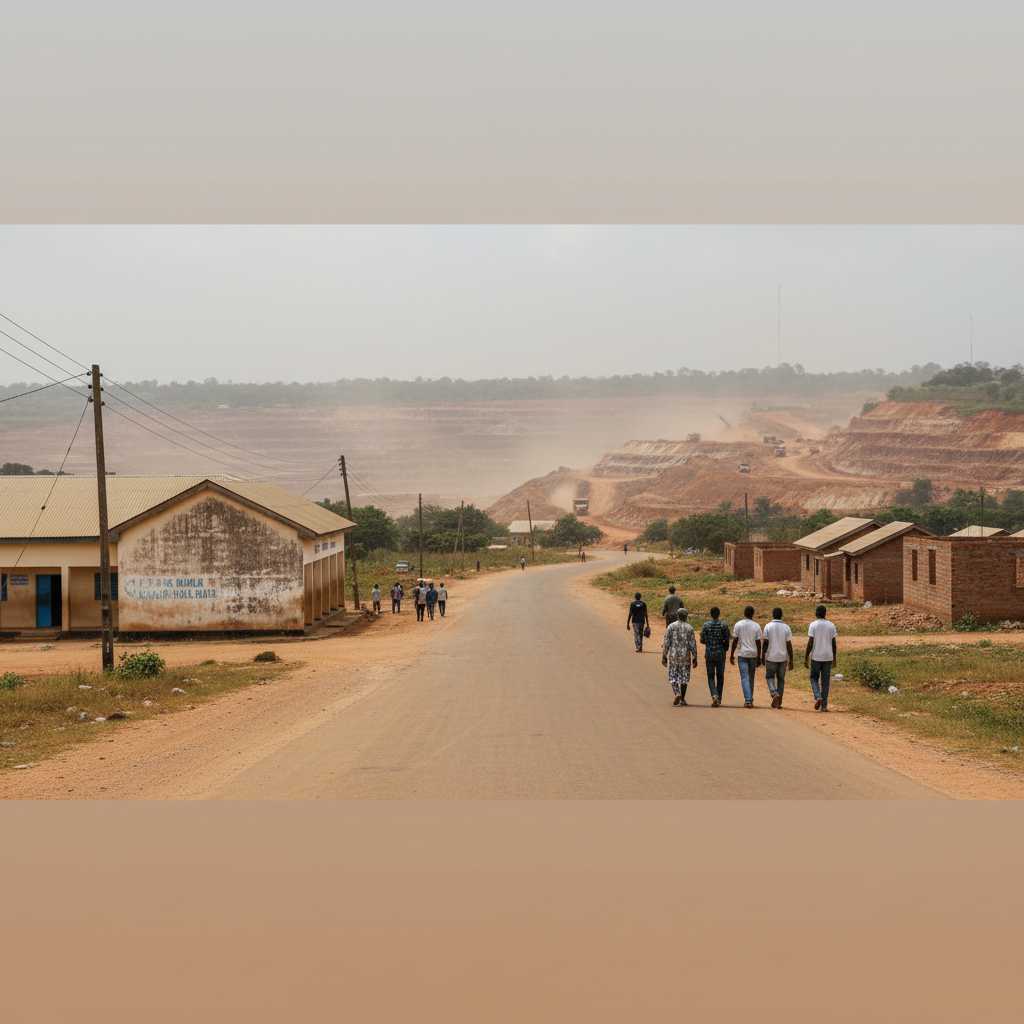
Ghanaian district assemblies are misusing mineral royalty funds, preventing critical development in mining communities. Dr. Emmanuel Steve Asare Manteaw, co-chair of the Ghana Extractive Industries Transparency Initiative (GHEITI), revealed this issue. He stated that revenues meant for local development often fund recurrent spending instead of long-term investments.
This diversion of funds means mining communities lose out on essential development. The practice has deprived local residents of benefits from decades of resource extraction. The Natural Resource Governance Institute (NRGI) hosted a workshop where Dr. Manteaw shared these concerns. He highlighted corruption risks within Ghana's emerging lithium value chain during the event.
This issue fits a broader pattern of resource management challenges in Ghana. The nation benefits from significant mineral royalties paid by mining companies. A portion of these funds goes to local authorities to boost development initiatives. However, GHEITI reports consistently show these funds are not used for sustainable economic or social impact. This trend exacerbates inequalities where mining occurs but development lags.
“Revenues meant to support local development are frequently diverted towards recurrent spending rather than long-term investment projects,” Dr. Manteaw explained. He cited GHEITI reports detailing how some assemblies use royalty funds for funerals and other short-term expenses. This includes contributions to public events, such as renting chairs and canopies. These expenditures do not align with the goal of long-term community development.
Strengthening regulatory frameworks and clearer guidelines are crucial next steps. This will ensure mineral royalties fund capital projects and infrastructure. Decision-makers must prioritize durable projects for communities affected by mining activities. Markets and stakeholders will watch for reforms that guarantee lasting benefits from natural resource extraction. This change would help secure a more equitable future for mining communities.
Mineral resources are exhaustible assets, meaning they will run out. Therefore, revenues from these resources should be invested wisely. The investments must support projects that benefit both current and future generations. The ongoing misuse undermines the original purpose of these funds. It also creates distrust between communities and local authorities. Proper oversight is necessary to prevent continued financial mismanagement. This will safeguard Ghana's long-term development goals. Reforming these practices is essential for ensuring that wealth from natural resources genuinely improves lives.