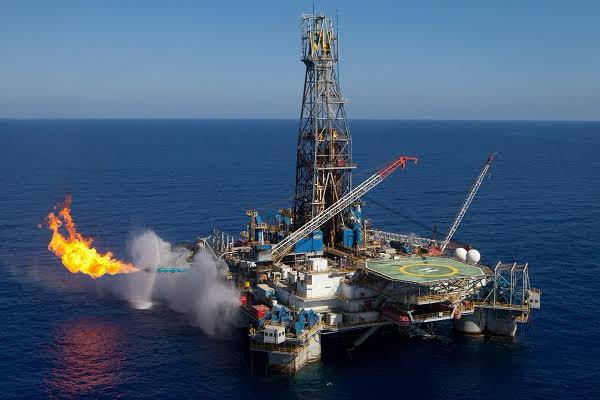
Ghana’s Public Interest and Accountability Committee (PIAC) is demanding prosecutorial powers. This authority would allow PIAC to surcharge public officials who misapply petroleum funds. This action follows the continued loss of millions of Ghana cedi due to unaccounted oil revenues.
Executive Secretary of PIAC, Isaac Dwamena, stressed that current weak enforcement mechanisms undermine transparency. These mechanisms fail to punish financial irregularities in the petroleum sector. Persistent capping of petroleum funds, which is against existing laws, also raises serious concerns.
This situation adds to Ghana's broader economic challenges, particularly in managing its natural resources. The country relies heavily on oil revenues for development projects. Mismanagement of these funds siphons money from critical public investments.
Mr. Dwamena raised these concerns during the Africa Extractive Media Fellowship training at the University of Ghana Business School. He stated, “The continued disregard for enforcement of financial irregularities in the petroleum sector is undermining transparency and accountability in Ghana’s oil revenue management.” He also criticized the dissipation of funds from the Heritage Fund, which decreased from $2.8 billion to $100 million by June 2026, partly due to its use for COVID-19 management.
The current lack of accountability could deter crucial foreign investment in Ghana’s oil sector. Investors seek stable and transparent regulatory environments. This issue also creates fiscal instability for the government. It reduces available funds for national development programmes.
Data from the 2025 PIAC Report confirms a worrying trend in the petroleum sector. Total petroleum receipts dropped significantly by over 43%. Revenues fell to about $770 million in 2025 from approximately $1.36 billion in 2024. This decline was sharp, with revenues falling by 56% in the first half of 2025 alone. Reduced crude oil production and falling global oil prices contributed to this slump. Crude oil production itself saw a sharp decline of nearly 26% during the same period. This highlights significant structural issues within Ghana’s upstream petroleum sector.
PIAC warns that declining revenues combined with weak enforcement pose major risks. These factors threaten the effective management of petroleum resources. The committee urges the government to strictly follow petroleum laws. It also calls for stronger accountability systems. Empowering oversight institutions with legal authority to sanction and recover misused public funds is crucial for Ghana's financial health. Markets and decision-makers will closely watch how the government responds to these calls for stronger oversight. Investor confidence could improve with enhanced transparency and accountability measures.