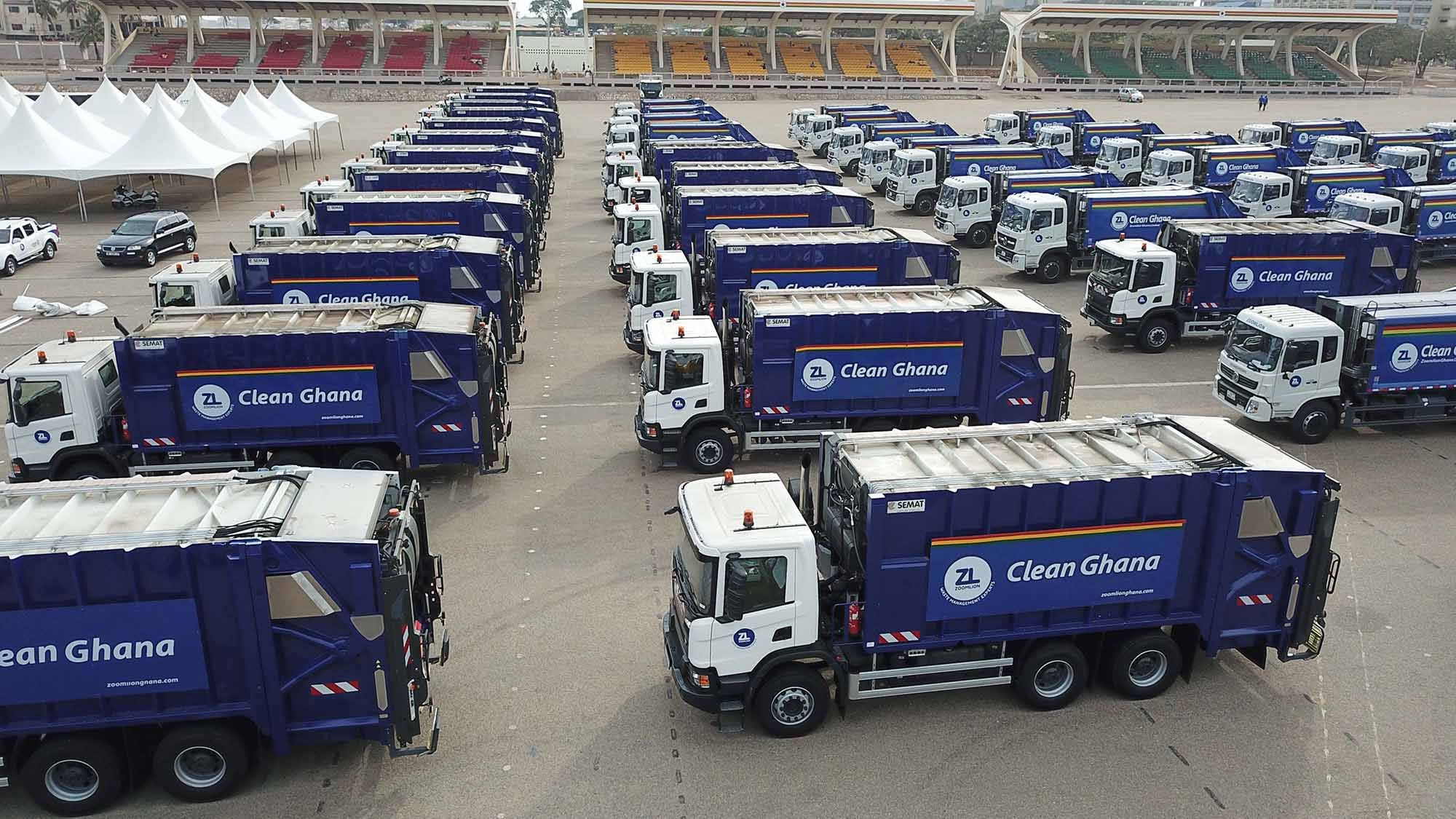
Former Greater Accra Regional Minister Daniel Nii Kwartei Titus Glover said floods in Accra and other Ghanaian regions have worsened due to the cancellation of a major sanitation contract. He attributes this increase in flooding to the termination of a contract previously held by Zoomlion Ghana Limited. The disruption has led to substantial waste accumulation in drainage systems.
Mr. Glover explained that the cancellation of this sanitation contract, active for almost a year, has hindered routine street sweeping and refuse collection. This inability to clear waste has blocked waterways, increasing flood risks during heavy rainfall. The city's sanitation services are no longer consistent, leaving the capital more exposed to flood events.
This situation fits into a broader concern about urban infrastructure and public finance management in Ghana. Recurring floods represent a significant economic and social burden, impacting businesses, property, and public health. The debate highlights the challenges faced by Metropolitan, Municipal, and District Assemblies (MMDAs) in funding and executing essential public services. Data consistently shows that inadequate waste management and poorly maintained drainage systems contribute directly to urban flooding.
Mr. Glover specifically criticized the cancellation of the Zoomlion contract under the Youth Employment Agency (YEA). He stated that MMDA's cannot shoulder the sanitation duties effectively. “The assemblies don’t have the capacity. Logistically, materially, financially, they don’t have the capacity,” Mr. Glover said. He noted that Zoomlion operates extensively in other African countries, highlighting its capacity.
Looking ahead, continued heavy rainfall could intensify flood situations, particularly around major water bodies such as the Sakumo Lagoon. Decision-makers face pressure to address these sanitation gaps and mitigate flood risks. The government and municipal authorities must consider strengthening sanitation systems, regularly desilting drains, and ensuring sustained waste collection. Public accountability and stricter enforcement of sanitation laws are also critical to prevent improper waste disposal. This ongoing challenge will require significant financial investment and policy adjustments.
The economic impact of floods includes damage to infrastructure, loss of productivity, and increased healthcare costs. The cost of flood recovery can divert funds from other critical development projects. Investors and businesses monitor infrastructure resilience when assessing market stability and operational risks in urban areas. Effective waste management is a foundation for urban economic stability.
The reliance on private contractors for crucial public services, and the implications of contract changes, remain a significant policy discussion point. Understanding the financial agreements and operational effectiveness of such contracts is vital for public finance oversight. The current situation demands a comprehensive review of urban sanitation strategies and funding mechanisms.