Somalia's child hunger crisis has worsened significantly, with a 32 percent increase in severe acute malnutrition cases among children in the first six months of 2026. This alarming rise follows substantial cuts to international aid, leading to the closure of over 200 health and nutrition facilities, according to UNICEF.
The reduction in funding has severely impacted healthcare access for vulnerable children across the East African nation. UNICEF projects that nearly 1.9 million children will suffer from malnutrition this year. These aid cuts are directly closing doors to essential healthcare and nutrition services, pushing water, education, and protection further out of reach for many families.
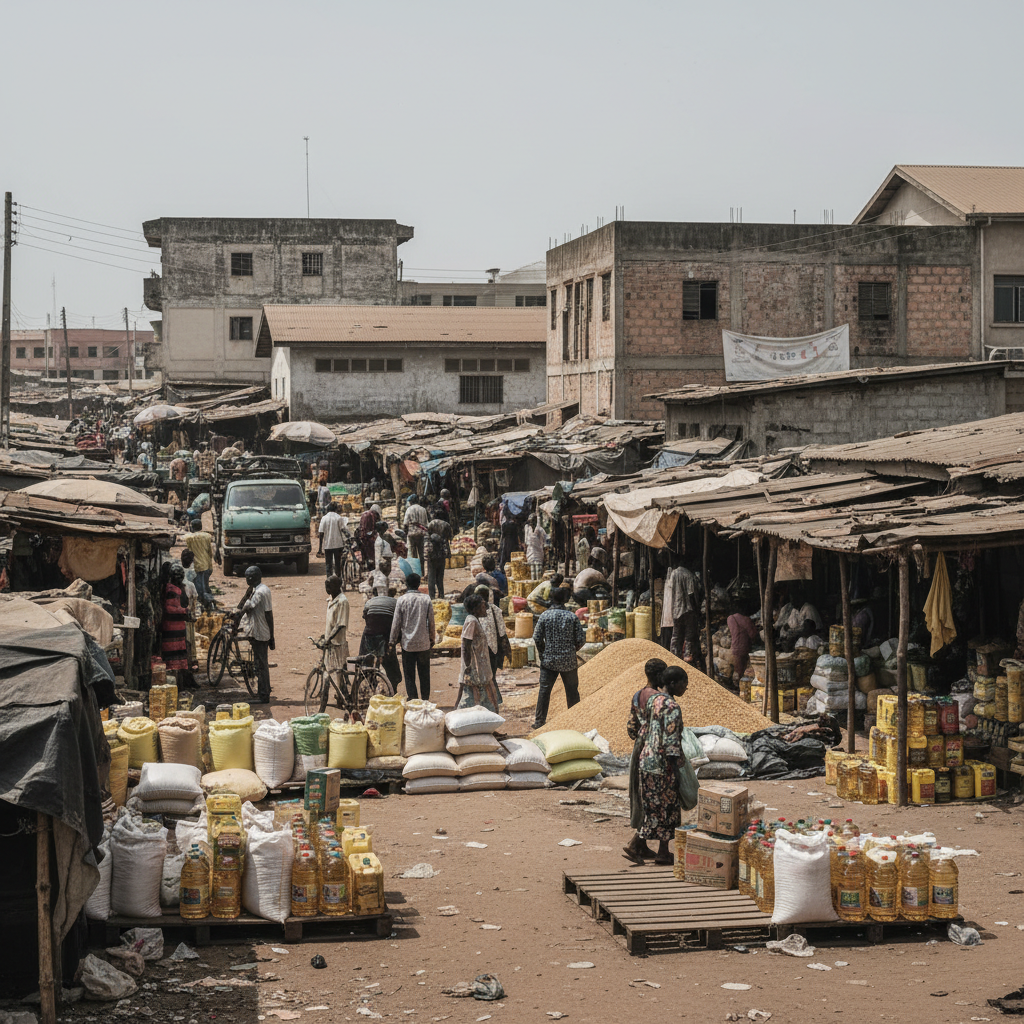
This crisis unfolds against a backdrop of severe drought that has devastated livestock, ruined harvests, and destroyed livelihoods in Somalia. The drought displaced approximately 500,000 people between January and April, adding to the 3.3 million Somalis already uprooted. One-third of Somalia's 19 million population now faces severe food shortages, intensifying the humanitarian need.
UNICEF spokesman James Elder stated that aid cuts are shutting down vital services. He warned that as many as 618 health facilities could close nationwide under severe funding scenarios. Elder emphasized that this is the wrong moment for the international community to retreat from its commitments.
Funding for addressing acute malnutrition in parts of Somalia has dropped by more than 80 percent this year, according to Doctors Without Borders (MSF). The United States and several other Western countries have significantly reduced their aid contributions. Somalia was also excluded from a GHS 23.6 billion (USD 2 billion) global humanitarian aid pledge announced by the US due to allegations of aid diversion and corruption.
These funding reductions have compounded the effects of the ongoing drought, limiting access to water as prices in rural areas have quadrupled. Simultaneously, global factors like the US-Israel war on Iran have driven up fuel and fertiliser costs. A record-strength El Nino climate pattern is also forecast to worsen the humanitarian crisis with severe flooding, further threatening food security.
The implications are dire, with nearly 1 million children under five, adolescent girls, and women at risk of losing access to critical nutrition services. Decision-makers must urgently address the funding gap to prevent further deterioration of the humanitarian situation. International donors and aid organizations will need to reassess their strategies to ensure sustained support reaches those most in need in Somalia.