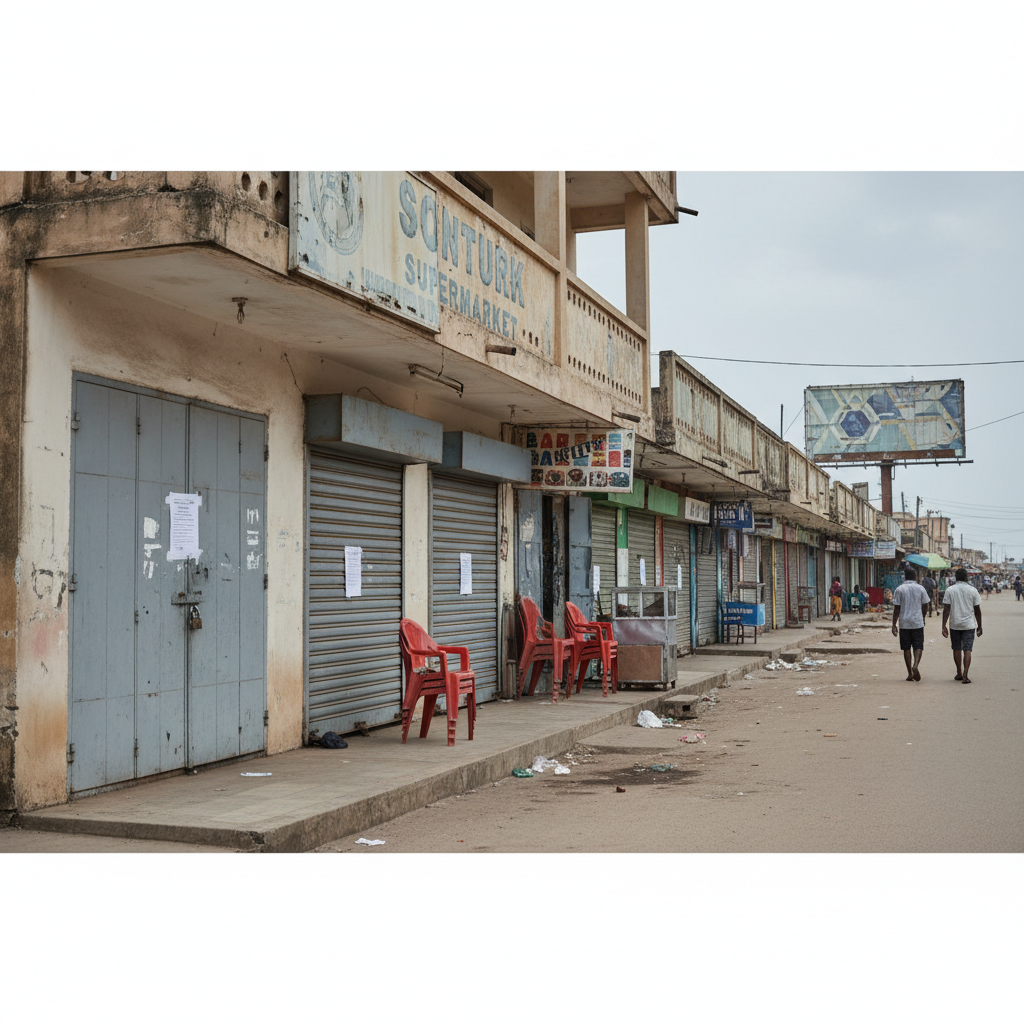
Cape Coast Metropolitan Chief Executive (MCE) George Justice Arthur has shut down Sonturk Supermarket and multiple other shops. This enforcement action came after these businesses defied a directive to suspend operations during a nationwide cleanup exercise. The MCE and a task force sealed Sonturk Supermarket after finding it open despite instructions for all commercial establishments to close.
This order from the Cape Coast Metropolitan Assembly required all shops to close from 6:00 a.m. to 12:00 noon during the two-day sanitation effort. The cleanup became necessary after recent heavy rains caused widespread flooding across the country. These floods left behind choked drains, accumulated refuse, and debris. They also disrupted livelihoods and damaged public infrastructure, prompting urgent sanitation improvements.
The temporary business closures aimed to allow traders, residents, and other stakeholders to participate in clearing drains and removing waste. This was part of a larger effort to improve sanitation and restore affected communities. The nationwide exercise will continue until 1:00 p.m. today and resume on Saturday, July 11, during the same period. This coordinated action reflects a broader government push to address environmental challenges.
The Cape Coast Metropolitan Assembly initiated this firm action to underscore the importance of collective responsibility in maintaining a clean environment. "The action forms part of measures to enforce sanitation regulations and encourage collective responsibility among residents and businesses in maintaining a clean and healthy environment," the Assembly stated regarding the closures. The MCE-led task force executed the enforcement exercise rigorously to ensure adherence to the Assembly’s directive.
Several shops at the Kotokuraba Market also faced closure during the operation. Authorities arrested some business owners and served them with summons for allegedly breaching the Assembly’s instructions. Those arrested included food vendors and mobile money operators. They have been ordered to appear before the Sanitation Court at the Assembly’s Environmental Office on Monday to respond to alleged violations. Additionally, the task force confiscated items, including electrical appliances, from some affected businesses after their shops were sealed.
The ongoing enforcement highlights the government's commitment to public health and urban resilience following environmental disasters. Businesses in Cape Coast must now comply with sanitation directives or face immediate shutdowns and legal consequences. This could set a precedent for other metropolitan assemblies across Ghana. The economic impact on affected small businesses and vendors will be immediate as they lose trading days and potentially face fines. Market participants will closely watch how these punitive measures influence compliance and future economic activities in the region. The Assembly's firm stance suggests a low tolerance for non-compliance in future public health initiatives.