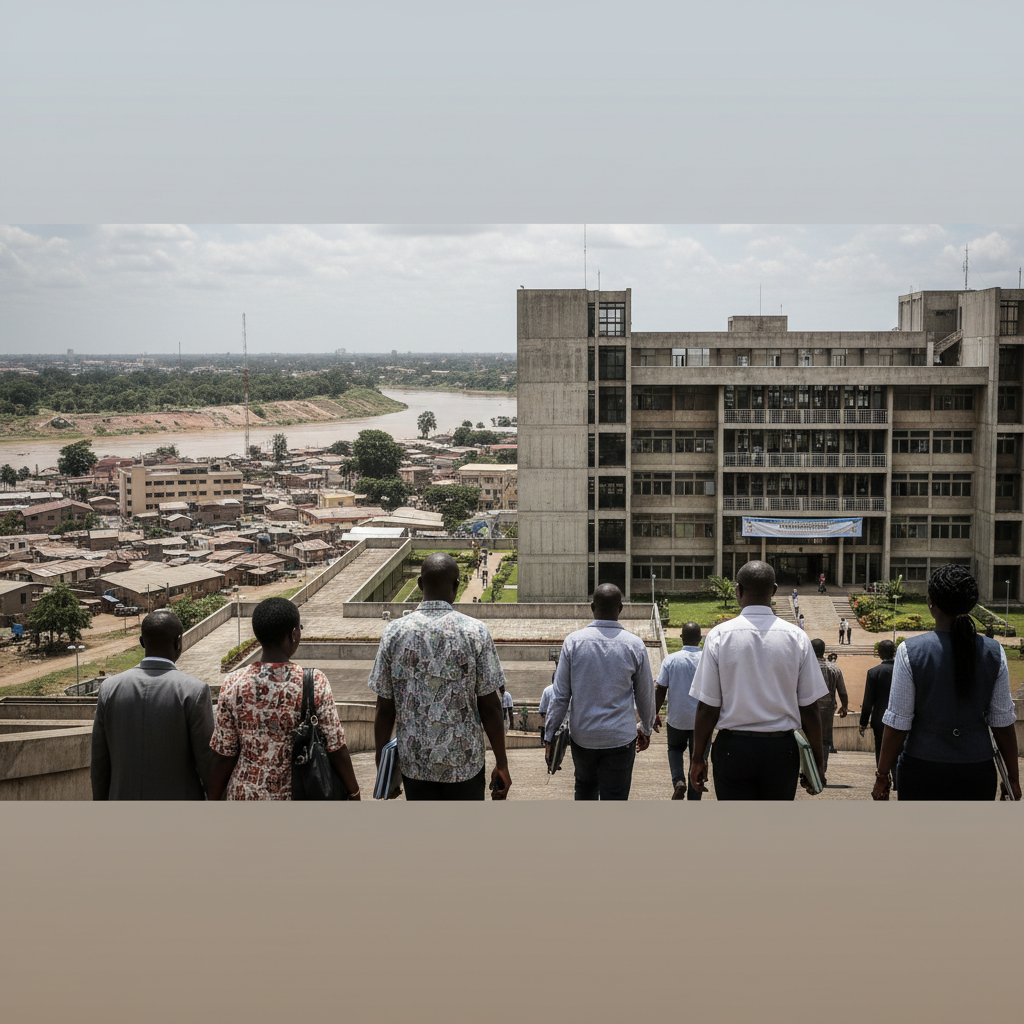
The Centre for Policy Scrutiny (CPS) has called on the government to speed up relief efforts for communities affected by the devastating June 29 floods. This call follows widespread destruction and displacement across parts of Accra, Tema, and surrounding areas. The floods resulted in significant loss of life, widespread property damage, and disruption to many livelihoods.
The CPS, a renowned policy think tank, extended its condolences to families who lost loved ones. Homes and businesses were destroyed by the heavy rains that swept through the capital region. This event highlights critical vulnerabilities in urban planning and infrastructure.
These recurring floods strain Ghana's public finances and hinder economic growth in affected regions. The national budget must repeatedly allocate funds for disaster relief and reconstruction. Poor urban planning and inadequate drainage infrastructure contribute significantly to these annual crises. The frequent flooding impacts market activity and disrupts supply chains, affecting small businesses and agricultural output.
“The June 29 tragedy should serve as a wake-up call for stronger national action toward flood prevention, environmental management and climate resilience,” the CPS stated. The Centre commended immediate rescue operations by agencies like the Ghana National Fire Service and the National Disaster Management Organisation (NADMO). However, it emphasized the urgent need for faster relief and recovery efforts, especially for vulnerable households suffering extensive losses.
Looking ahead, the government faces pressure to demonstrate effective disaster management and proactive climate resilience strategies. Decision-makers must consider integrating flood prevention into urban development plans to mitigate future economic losses. Investors and donor partners will observe how Ghana addresses these systemic issues, which could influence future development aid and foreign direct investment. The cost of inaction on climate resilience continues to mount, placing further strain on the national economy.
The CPS argues that emergency responses alone are no longer sufficient to address Ghana’s persistent flooding challenges. The organization urged the government to strengthen drainage infrastructure across urban centers. It also called for strict enforcement of sanitation regulations to prevent blockages. Additionally, the CPS highlighted the necessity of tackling poor urban planning, which it identifies as a primary cause of worsening floods. Corporate institutions and civil society organizations are also encouraged to support ongoing humanitarian efforts to assist victims.
These actions are crucial for Ghana's long-term economic stability and population well-being. The consistent interruption of economic activity due to floods creates an unstable environment for businesses. It also displaces workers and damages critical infrastructure like roads and utilities. A proactive approach to flood management can safeguard investments and ensure continuous economic progress.