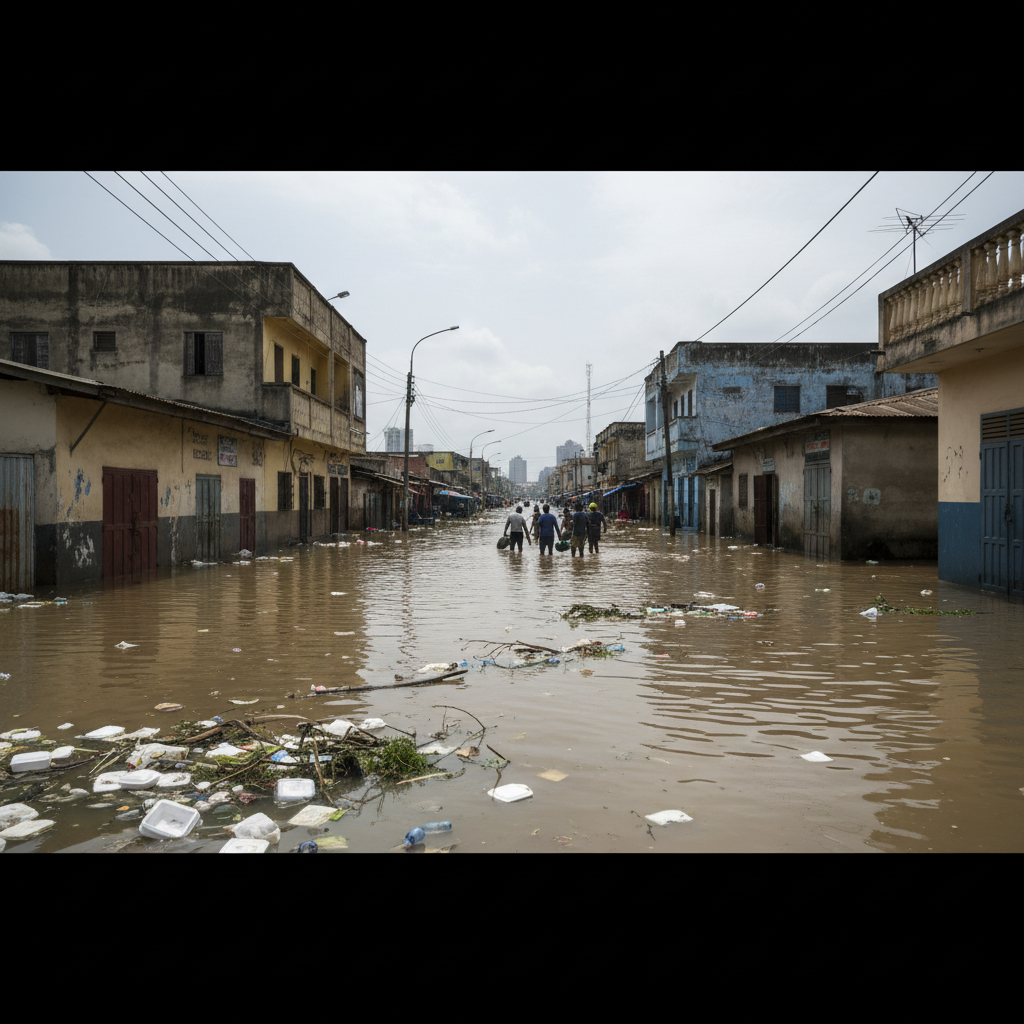
Ghana's Environmental Protection Authority (EPA) has renewed its urgent call for a nationwide ban on Styrofoam. The EPA states Styrofoam significantly contributes to plastic pollution and the severe flooding recently experienced in Accra. This renewal follows devastating floods on June 29, 2026, which claimed lives and displaced thousands.
Professor Nana Ama Browne Klutse, EPA Chief Executive Officer, highlighted three main causes of recurrent floods in Accra. These are heavy rainfall, obstruction of natural drainage systems by unregulated development, and indiscriminate disposal of plastics and other waste. She emphasized that Styrofoam, along with other plastics, chokes waterways and prevents water from flowing freely into the sea.
This renewed advocacy fits into Ghana's broader efforts to improve environmental protection and waste management. President John Dramani Mahama has already committed to phasing out Styrofoam. Ghana faces a persistent challenge with waste management and urban planning, often leading to seasonal flood disasters. Prior events and data consistently show the link between inadequate drainage and solid waste accumulation.
Professor Klutse made these remarks during a courtesy call on the Western Regional Minister, Joseph Nelson. She stated, "The heavy rain is one of them. We also see that the pathways for water to flow into major rivers and wetlands are blocked because people have built on waterways. Another difficulty we have is the Styrofoam, plastics, and other waste materials dumped into flowing waters that are supposed to drain into the sea. These choke the pathways and prevent water from flowing freely." She added that public cooperation is vital for the ban's success.
The EPA plans to intensify efforts to enforce the Styrofoam ban. It will engage manufacturers and retailers on a phased strategy to eliminate single-use plastics nationwide. This move aims to significantly reduce flood risks by ensuring drainage channels remain clear. Effective environmental management and responsible waste disposal could minimize the impact of heavy rainfall. Achieving public compliance with the ban could lead to a noticeable reduction in flooding by May-July next year. This initiative suggests possible shifts in consumer goods markets and manufacturing practices within Ghana. Businesses relying on Styrofoam will need to explore sustainable alternatives, potentially impacting supply chains and costs.
The EPA's renewed focus on Styrofoam is part of a larger plan to enhance environmental enforcement. This plan includes tackling issues like illegal mining, known as galamsey, which also contributes to environmental degradation and flooding. Professor Klutse is currently in the Western Region assessing flood damage from galamsey in Samreboi. The Western Regional Minister, Joseph Nelson, confirmed his council implements drainage improvements and environmental enforcement measures. The success of the Styrofoam ban will depend on strong government enforcement and widespread public participation. This collective action is crucial for safeguarding lives and property from future flood disasters.