Former Minister for Lands and Natural Resources, Inusah Fuseini, stated that individuals or institutions cannot legally claim ownership of Ramsar sites. He emphasized that these protected ecological zones must remain free from private title and encroachment. These sites are designated wetlands of international importance.
Mr. Fuseini's comments highlighted that attempting to own Ramsar sites undermines environmental protection laws. Such actions also worsen Ghana's vulnerability to damaging floods. He explained that many of Ghana’s flood problems are made worse by destroying and encroaching on wetlands. Wetlands naturally act as drainage buffers during heavy rainfall.
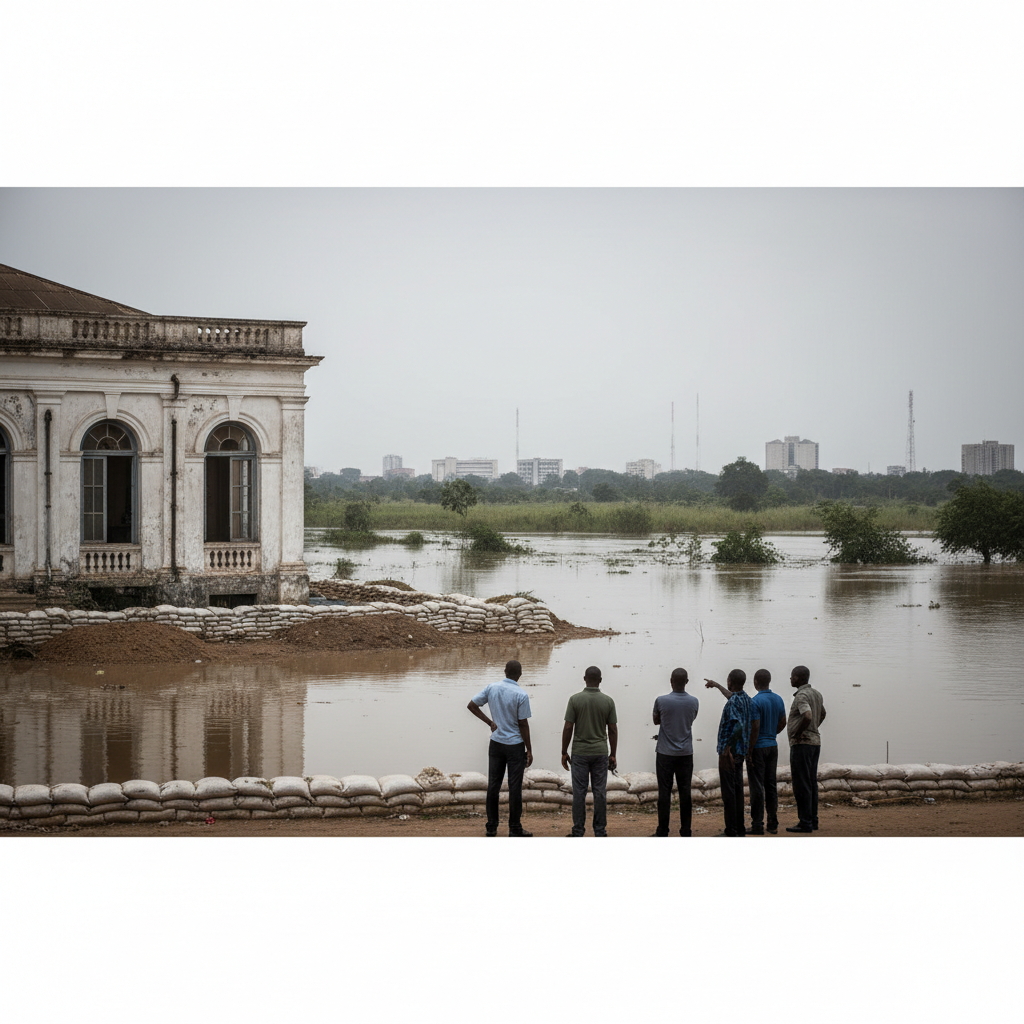
This warning comes amidst widespread flooding across parts of Accra following recent torrential rains. The floods submerged homes, roads, and businesses. These events have reignited national discussions on urban planning, environmental degradation, and the enforcement of land use regulations. Protecting these ecological areas is crucial for reducing flood impact in urban centers, especially Accra.
Speaking on JoyNews' Newsfile programme on Saturday, July 4, Mr. Fuseini reiterated: “No one can hold title on Ramsar sites.” He asserted that such sites are legally protected from private acquisition or development. His statement underscores the government's stance on preserving critical natural infrastructure for national resilience.
The implications of continued encroachment on Ramsar sites are significant for Ghana's economic stability and public safety. Without proper wetland protection, urban areas like Accra face increased infrastructure damage and economic disruption from floods. Decision-makers must prioritize strict enforcement of environmental laws to mitigate future disasters. Markets and communities will respond positively to transparent and effective land management policies.
Ghana officially ratified the Ramsar Convention in 1988, designating several wetlands as Sites of International Importance. These sites, including the Sakumo Ramsar site, play a vital role in maintaining aquatic biodiversity and regulating water flow. The consistent warnings by officials like Mr. Fuseini reflect an ongoing struggle to prevent unauthorized development. This development threatens both ecological balance and urban resilience against climate change impacts. Effective wetland management is a cornerstone of sustainable development.
Continued vigilance and robust regulatory frameworks are essential to deter illegal land appropriation. The government needs to invest in public awareness campaigns about the importance of these ecological zones. This will help prevent further encroachment and protect communities. Ghana's long-term environmental and economic health depends on these actions.