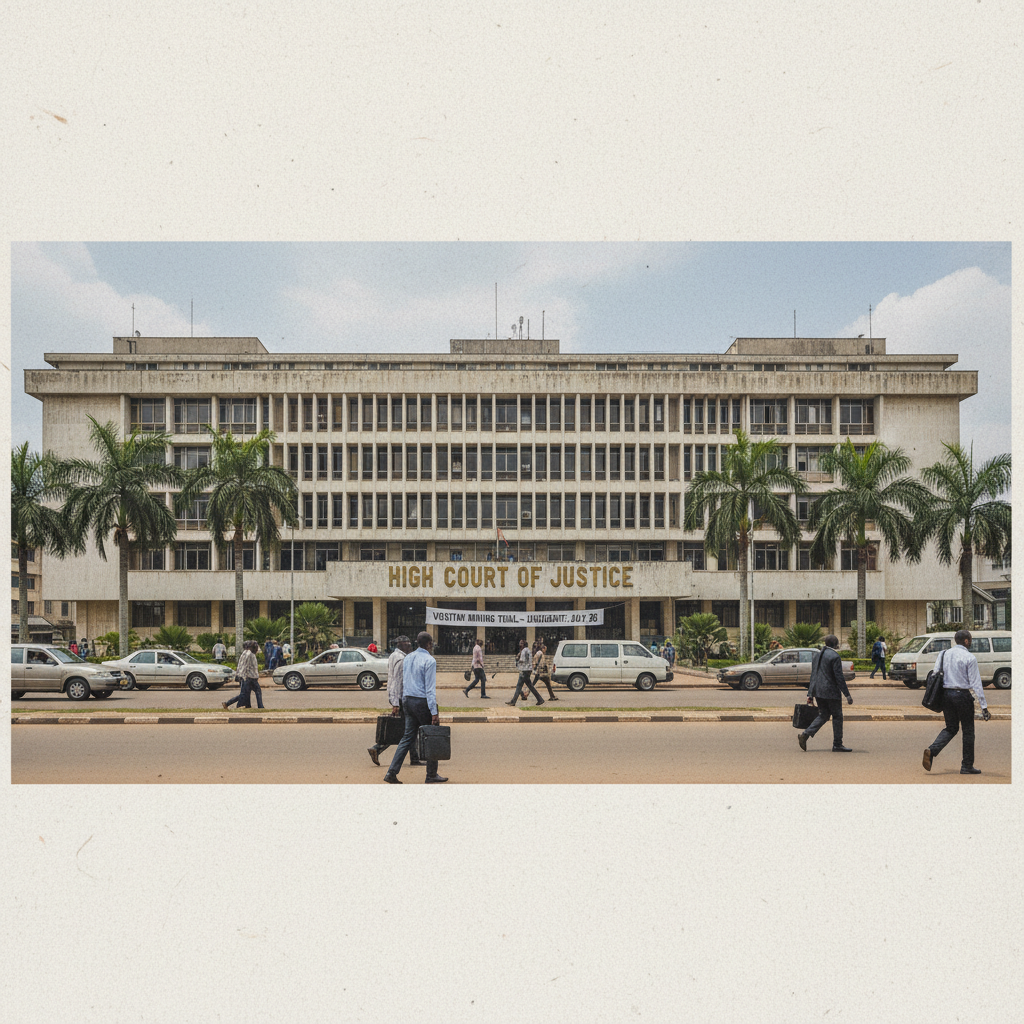
The High Court in Accra has set July 20, 2026, for judgment in the criminal trial involving Bernard Antwi Boasiako, widely known as Chairman Wontumi, for alleged illegal mining activities. This decision came after the Court granted an extension to Wontumi's new lead counsel to submit comprehensive written legal arguments.
Bernard Antwi Boasiako is the Ashanti Regional Chairman of the New Patriotic Party (NPP). The trial stems from accusations related to the operations of Akonta Mining, a company linked to him. These alleged illegal mining activities occurred in the Samreboi area of the Western North Region.
The case forms a significant part of Ghana's ongoing efforts to prosecute offenses connected with illegal mining, commonly called 'galamsey'. Successive governments have identified galamsey as a major threat to Ghana's vital natural resources, including its forests, water bodies, and mineral wealth. Unchecked illegal mining causes severe environmental degradation and economic losses across the country.
The Office of the Attorney-General initially opposed the application for more time. Senior State Attorney Nana Ama Prempeh argued that Chairman Wontumi had continuous legal representation throughout the trial. She stated the previous lawyer's withdrawal was voluntary, and the defence should have obtained documents from him, not the court. However, the prosecution did not object when the case was called on Monday, paving the way for the extension.
Samuel Atta Akyea, a former Member of Parliament for Abuakwa South, recently took over Wontumi's defence. He requested the postponement to allow adequate time to study the extensive trial record and prepare his submissions. The Court subsequently granted this request, rescheduling the judgment date.
The outcome of this case is expected to generate considerable public and political interest. This is due to Chairman Wontumi's influential position within the NPP, a major political party in Ghana, and the high visibility of the prosecution. A conviction could set a strong precedent for environmental enforcement and government accountability.
Conversely, an acquittal might spark debate over the effectiveness of Ghana's anti-galamsey campaigns. The resolution of this trial will also influence investor confidence in Ghana's mining sector. It will demonstrate the government's commitment to tackling corruption and protecting its natural resources.
The judgment will provide clarity on legal interpretations concerning mining regulations and corporate responsibility. Analysts will watch how this decision impacts future environmental policy and enforcement actions in Ghana. It could also affect public perception of political figures involved in resource management.