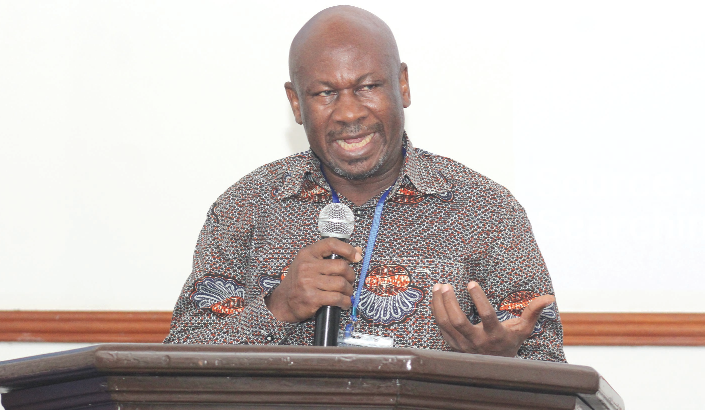
The STAR-Ghana Foundation has called for stronger, more formal partnerships between the government, civil society organisations (CSOs), and the private sector. Executive Director Alhaji Ibrahim-Tanko Amidu stated this during the 4th Ghana Civil Society Forum 2026. He emphasized these collaborations are vital to protect Ghana's democracy and advance national development.
Alhaji Amidu noted Ghana and Africa face a challenging global environment. This includes less money for development and increasing pressure on civil movements. Climate change, inequality, and youth unemployment also present significant hurdles for the nation. These issues demand a rethinking of how Ghana addresses both ongoing and new problems.
This initiative aligns with Ghana's broader economic and political goals of sustainable growth and improved governance. Data from the Ghana Statistical Service Governance Wave Report 2025 indicates a challenge. Only 12 percent of citizens feel there are enough chances for them to participate in the political system. This low engagement highlights a need for better citizen involvement in national affairs. The report underscores the importance of making democracy work for all citizens, not just a select few.
Alhaji Ibrahim-Tanko Amidu stated, "Many citizens, particularly young people, feel disconnected from decision-making processes, especially between elections." He explained that trust in Ghana's institutions remains weak. He also highlighted that government alone cannot solve these problems. Civil society cannot address them in isolation either. Meaningful partnerships are crucial among government, civil society, the private sector, traditional leaders, and citizens for collective progress.
The push for stronger partnerships will likely influence future policy discussions and resource allocation. It suggests a shift towards more domestically driven development strategies. Decision-makers may need to consider new frameworks for engaging CSOs as recognized development partners. This could lead to a re-evaluation of how national policies are formed and implemented. Such changes would aim to ensure more inclusive development outcomes across Ghana.
Alhaji Amidu also stressed that national growth should include everyone. He argued that truly inclusive development is still an ongoing process in Ghana. Measures of progress should consider how widely the benefits of economic growth are shared. He mentioned unemployment, education gaps, and inequalities affecting women and people with disabilities. These factors undermine achieving inclusive development for all Ghanaians.
Furthermore, he highlighted the critical role CSOs play. They help identify new challenges and gather evidence. CSOs also involve citizens and create discussions between communities and public bodies. Alhaji Amidu emphasized that government support for CSOs is a strategic investment. This investment leads to better governance and more effective development results for Ghanaians.
With international development aid shrinking, Ghana has an opportunity to create sustainable local partnerships. This will support democratic governance and development efforts. Alhaji Amidu recommended that the government formally recognize CSOs as domestic development partners. This would give them a voice in shaping national policies, similar to traditional development partners.
He also called for increased efforts to raise funds internally for development. He warned that Ghana can no longer depend mainly on foreign donors. Alhaji Amidu also suggested regular meetings for different groups at national and local levels. These multi-stakeholder dialogues would strengthen cooperation among all parties involved in Ghana's progress.