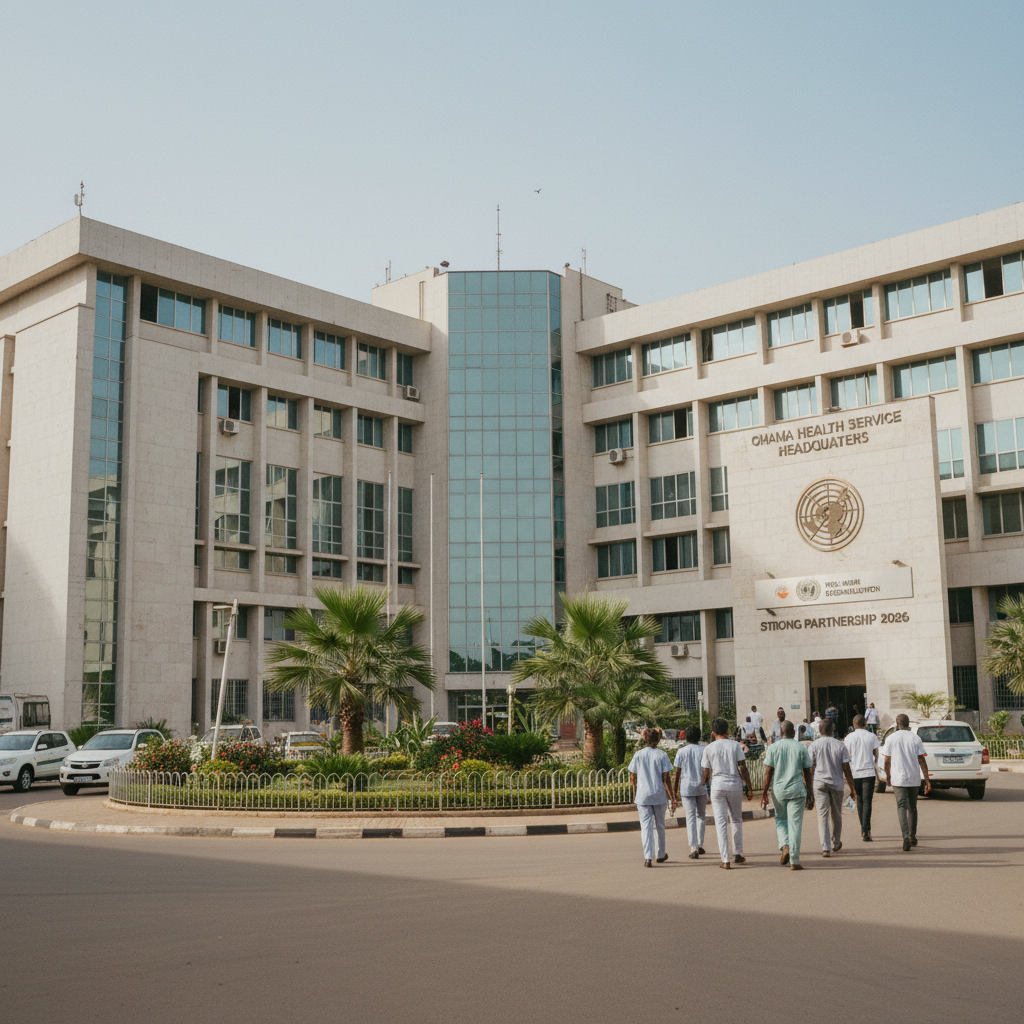
The World Health Organisation (WHO) has recognized the partnership between the Christian Health Association of Ghana (CHAG) and the Government of Ghana as one of Africa's strongest collaborations. This partnership has expanded healthcare access and strengthened Ghana's health system.
Dr. Fiona Braka, WHO Representative to Ghana, made this statement at the opening of the 2026 CHAG Annual Conference in Koforidua. She noted the collaboration has become a model for delivering healthcare, particularly in rural and underserved communities. The long-standing relationship has improved health outcomes over several decades, bringing care closer to millions of Ghanaians.
This recognition highlights Ghana's successful model for achieving Universal Health Coverage (UHC) through integrated approaches. The emphasis on primary healthcare aligns with national strategies to ensure equitable access. This approach also demonstrates how strategic partnerships can address national health challenges and improve public health indicators. Ghana aims to implement its Free Primary Healthcare programme, relying heavily on such collaborations.
Dr. Braka explicitly stated, "The partnership between the Government of Ghana and CHAG is often cited as one of Africa's strongest examples of public-faith sector collaboration." She further added, "It has contributed significantly to expanding access to healthcare, strengthening the health workforce and improving health outcomes across the country." CHAG, with 375 health facilities and 22 training institutions, provides between 30 and 40 per cent of healthcare services nationwide. It serves 8 million to 10 million patients annually.
This strong endorsement from WHO will likely reinforce confidence in Ghana's healthcare strategies. It may encourage continued investment and international support for the Free Primary Healthcare programme. Decision-makers will observe how this model can be replicated to further improve health system resilience and community-level access.
CHAG's extensive presence places it central to the government's Free Primary Healthcare programme. This programme aims to ensure health reforms improve people's lives meaningfully. Countries making the most progress towards UHC invest in robust primary healthcare systems. These systems effectively reach people at the community level.
Primary healthcare improves health outcomes and promotes equity. It reduces avoidable hospital admissions and strengthens health system resilience. This pathway helps achieve Sustainable Development Goal Three on health and well-being. No single institution can deliver effective primary healthcare alone. It requires collaboration among public institutions, faith-based organisations, private providers, civil society, communities, academia, and development partners. The WHO has worked with Ghana's government and CHAG to strengthen primary healthcare for many years.
The WHO reaffirms its commitment to supporting CHAG. This support is crucial as Ghana rolls out its Free Primary Healthcare programme. Continued collaboration aims to strengthen Ghana's health system. It will improve healthcare delivery nationwide, building an equitable, resilient, and people-centred health system.