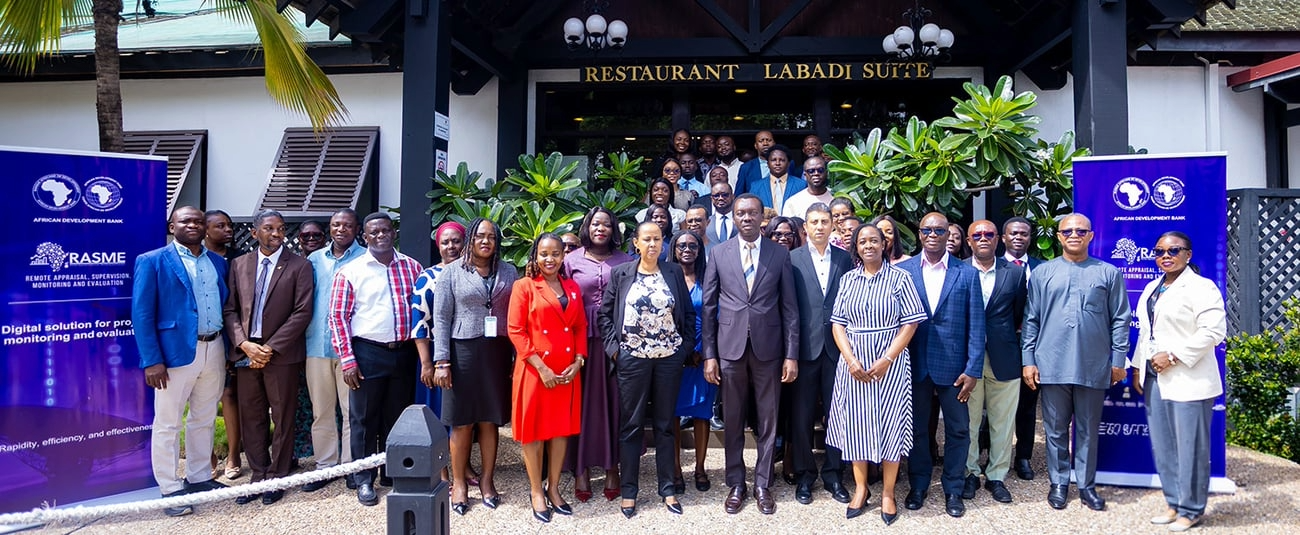
The African Development Bank (AfDB) has launched a digital monitoring platform in Ghana. This platform aims to strengthen project supervision, improve real-time field data collection, and enhance accountability for Bank-financed interventions.
This new tool will support more timely tracking of project implementation. It allows field officers and project teams to digitally collect, transmit, and analyse data. This reduces delays linked with manual reporting and fragmented supervision systems.
The launch represents another step in the Bank's effort to improve the quality, speed, and transparency of project delivery in Ghana. Development finance is crucial for Ghana's infrastructure, agriculture, energy, transport, skills development, and private-sector support. This digital tool will help monitor projects from the field and identify implementation problems early. It supports decision-making by project managers, government agencies, and supervision teams.
For Ghana, this intervention comes as public investment delivery faces scrutiny. Concerns exist about delays, cost overruns, weak coordination, and slow execution of externally financed projects. Development partners and government agencies have increasingly emphasized stronger monitoring systems. These systems ensure approved financing translates into results within planned timelines.
The AfDB's new platform will make project supervision more data-driven. It captures field-level information more quickly and consistently. This improves oversight of physical progress, contractor performance, and community impact across active projects.
Real-time data collection is especially important for projects in remote communities or multiple locations. Traditional supervision visits in these areas are costly, time-consuming, and prone to delays. By using digital monitoring, the Bank expects to improve communication between project sites and decision-makers. This allows for earlier detection and addressing of problems.
This move aligns with a broader shift among development finance institutions towards digital project management. Effective supervision now involves digital dashboards and geo-tagged field evidence, not just periodic field missions. Such systems enhance transparency and assure that projects deliver their intended results.
In Ghana, the platform could improve coordination among the AfDB, government ministries, and project implementation units. It could also strengthen accountability by comparing planned outputs with actual progress. Effective project monitoring is vital for development effectiveness. Weak supervision can lead to unnoticed delays, improper payments, and poorly enforced safeguards.
A stronger digital monitoring system helps protect both public resources and development outcomes. This launch is significant as Ghana relies on development financing for priority projects under tight fiscal conditions. The efficiency of externally financed projects is critical while the government maintains fiscal discipline and delivers investments.
Delays in project execution increase costs and reduce economic impact. The AfDB's platform will contribute to more disciplined implementation. It improves visibility over project progress and helps stakeholders respond quickly to risks. It can also support stronger portfolio management by identifying underperforming projects for corrective action. For beneficiaries, better supervision should mean fewer delays and improved quality control.