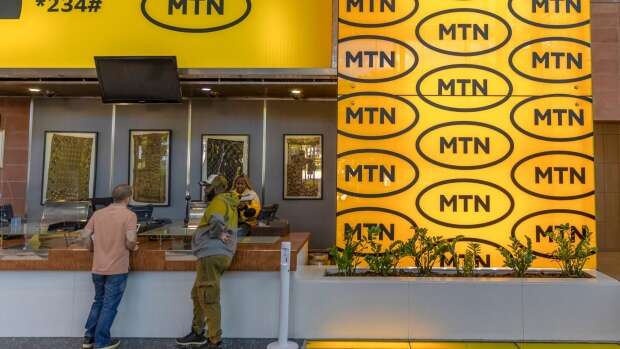
Clydestone Ghana Plc has launched a legal challenge against Scancom Plc (MTN Ghana), MTN Group Limited, and MobileMoney Fintech Limited. The lawsuit, filed on July 27, 2026, alleges the telecommunications group used proprietary intellectual property, confidential commercial information, and an operational model without authorization or compensation. This action places one of Africa’s largest telecommunications groups at the center of a dispute over the foundations of a highly valuable digital financial platform.
The proceedings stem from work commissioned by MTN Ghana in 2007. Clydestone was tasked with developing a comprehensive commercial and operational framework for a mobile money business in Ghana. Clydestone claims MTN subsequently used this work without its permission or payment. Elements of the architecture and commercial model were allegedly deployed not only in Ghana but also across multiple African markets.
This dispute highlights the critical importance of intellectual property rights in Ghana's rapidly evolving technology sector. Mobile money has become a cornerstone of financial inclusion and economic activity in the country. The outcome of this case could set a precedent for how large multinational corporations engage with local technology partners. It also underscores the need for clear contractual agreements in such collaborations.
Clydestone’s regulatory announcement, dated July 28, 2026, states that the company filed a writ of summons and statement of claim at the Commercial Division of the High Court of Ghana. The company asserts that the 2007 engagement was the foundation of a complete mobile money ecosystem. This included the commercial model, operational architecture, implementation methodology, and supporting business case. Paul Jacquaye, Clydestone’s founder and group chief executive, personally authored and delivered this work.
The engagement was not between unfamiliar parties. Clydestone stated it had a commercial relationship with MTN Ghana dating back to 1998. This suggests MTN approached a long-standing local technology partner for specialist input. This history could be crucial in court, as it may clarify whether information was delivered in confidence. It could also determine if MTN understood it could not use the work without further contractual arrangements.
Clydestone contends that the assignment was undertaken with the understanding that a non-disclosure agreement and memorandum of understanding would be executed. These documents were meant to govern the use of the intellectual property. The company alleges these documents were never signed despite repeated requests and promises. It claims MTN Ghana subsequently used its proprietary work, commercial methodology, and operational intelligence without authorization or compensation.
More significantly, Clydestone claims that aspects of the operational architecture and commercial model implemented in MTN Mobile Money Ghana were materially derived from its supplied work. Furthermore, these elements were allegedly deployed across several African jurisdictions. This is the most commercially damaging allegation, extending the dispute beyond Ghana. It raises the possibility that intellectual property developed in Ghana contributed to a much wider continental mobile money operation. If Clydestone can establish this connection through evidence, MTN could face significant scrutiny and potential compensation claims.
The legal action raises serious questions for MTN and its related entities regarding their business practices and intellectual property management. The Ghanaian market, with its robust mobile money penetration, will closely watch the court's proceedings. The resolution of this case could influence future partnerships between local tech firms and international giants. It will also impact investor confidence in the protection of intellectual property within the technology sector.