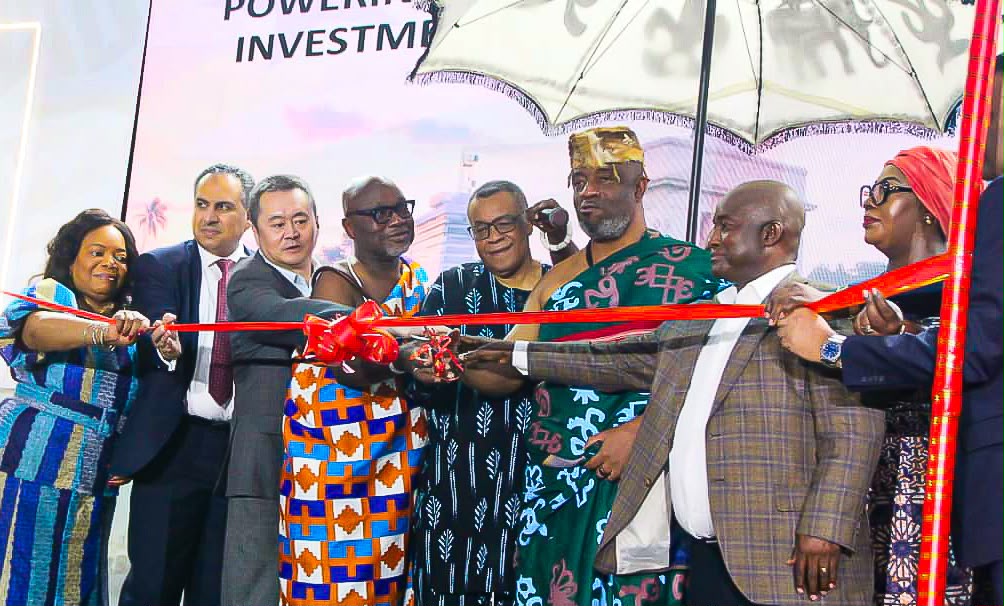
Ghana’s 7th Investment and Trade Week (GITW) opened in Accra on Tuesday, July 7, 2026, drawing investors and business leaders from over 30 countries. The event focused on Ghana's ambitious 24-Hour Economy agenda, aiming to attract investment across infrastructure, energy, manufacturing, and trade sectors.
This three-day summit, organised by MIE Events, aims to reposition Ghana as West Africa’s leading investment destination. It highlights a government vision to transform the economy into a production-led model. The strategy promotes industrialisation, renewable energy, and value addition to raw materials.
This initiative fits into Ghana’s broader economic policy objectives of reducing reliance on raw material exports. The government seeks to boost domestic manufacturing capacity. This will increase the production of goods for both local consumption and international markets. Ghana’s economic history shows efforts to industrialise after independence, which laid a foundation for growth. Yet, the full industrial potential has not been realised. For instance, Ghana aims to reverse the trend of exporting raw materials while importing finished products, a challenge highlighted by the Senior Presidential Advisor, Dr. Augustus Goosie Tanoh.
Dr. Augustus Goosie Tanoh, Senior Presidential Advisor and Coordinator of the 24-Hour Economy and Accelerated Export Development Secretariat, outlined the government's vision. He emphasised the necessity of industrial transformation. He stated that increasing local processing and manufacturing will create jobs, boost exports, and build a competitive economy. Dr. Tanoh also revealed plans for 1.5 gigawatts of utility-scale solar power supported by Battery Energy Storage Systems (BESS). Construction for the first 100-megawatt facility starts next month. This is expected to lower electricity costs for industries, enhancing manufacturing competitiveness.
The government's industrial strategy includes developing the Volta-Oti Economic Corridor. This corridor will feature agro-industrial parks and carbon-neutral oil palm plantations. It will also have clean transportation systems powered by renewable energy. Compressed biogas facilities and waste-to-energy projects are also planned. These initiatives contribute to a target of creating 7 million employment opportunities by 2028. Dr. Mary Awusi, CEO of the Ghana Free Zones Authority (GFZA), stressed Ghana's commitment to creating a competitive environment. She cited a ten-year corporate tax exemption, customs duty waivers, and unrestricted profit repatriation under the Free Zones Scheme. The GFZA has over 7,000 acres of litigation-free industrial land in strategic locations for investors.
The Ghana Investment and Trade Week aims to foster investment partnerships and business matchmaking. It seeks to accelerate Ghana's industrial transformation. Increased foreign direct investment (FDI) is crucial for economic growth and currency stability. Stakeholders will observe how quickly planned energy projects and industrial corridors attract concrete investment. These initiatives are critical for boosting local production and achieving the ambitious job creation targets.