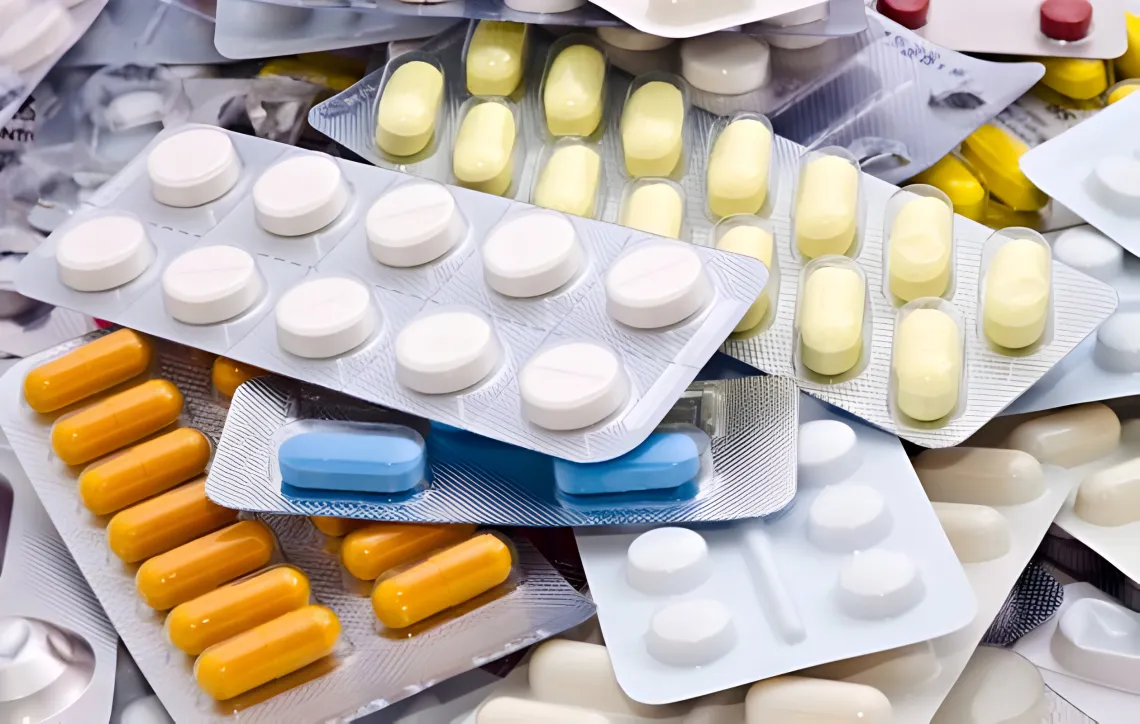
The Pharmaceutical Society of Ghana (PSGH) has urged the government to increase local pharmaceutical manufacturing. This push aims to meet at least 70% of the country’s medicine needs. The PSGH warns that Ghana's current dependence on imported medicines poses a significant national security risk.
This appeal came during a commemorative event at the Manhyia Palace in Kumasi marking the Society’s 90th anniversary. PSGH President, Pharm. Paul Owusu Donkor, stated that access to medicines must now be treated as a national security priority. He highlighted that Ghana currently only produces about 30% of its pharmaceutical requirements.
Ghana’s reliance on foreign supply chains for essential medicines leaves the nation vulnerable to global disruptions. Supply chain issues, such as those seen during pandemics, can severely impact medicine availability. Achieving greater local production would strengthen public health resilience and economic stability. This aligns with broader government goals of industrialisation and import substitution.
Pharm. Paul Owusu Donkor underscored the urgency of this transformation. “Health is wealth, we have said many times. Now, pharmaceutical care needs are also a national security issue,” he stated. He added, “We want to see a Ghana that does 70% of its pharmaceutical care needs.”
Ghana must invest significantly in infrastructure, technology, and skilled personnel to achieve this 70% target. This includes developing new manufacturing plants and upgrading existing facilities. Such investments could transform Ghana into a pharmaceutical manufacturing hub for the entire West African region. Increased local production will also create jobs and boost economic growth.
The PSGH also raised concerns about antimicrobial resistance (AMR), linking it to the misuse of medicines and the spread of counterfeit drugs. PSGH President Donkor warned that medicine not dispensed by a pharmacist increases AMR risks. Regulators must intensify enforcement against falsified medicines to protect public health. This requires strong regulatory oversight and public awareness campaigns.
Local manufacturing would reduce the inflow of substandard or fake drugs, improving patient safety. It would also stabilize medicine prices, making healthcare more affordable for Ghanaians. The economic impact could be substantial, reducing Ghana’s import bill for pharmaceuticals. This would free up foreign exchange for other critical national developments.
Policymakers will need to develop attractive incentives for local pharmaceutical companies to invest and expand. This includes tax breaks, access to affordable credit, and streamlined regulatory processes. The government's 'One District, One Factory' initiative could also play a role in this sector. This push marks a crucial step in ensuring Ghana's long-term health security and economic independence.