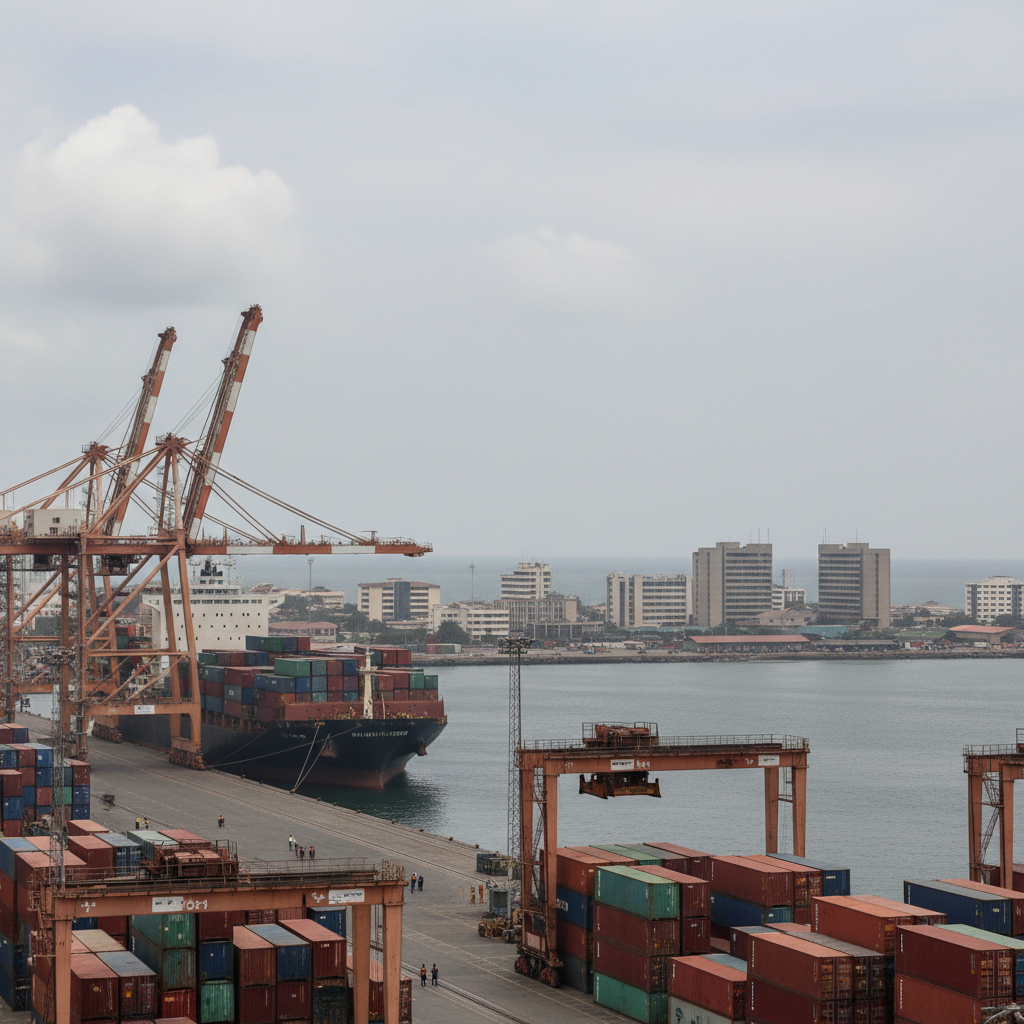
The National Insurance Commission (NIC) has launched a comprehensive strategy to enhance Ghana’s marine cargo insurance market. This initiative aims to improve business confidence by ensuring faster claims settlements and implementing digital verification systems.
This strategic push is designed to foster closer collaboration across the trade value chain. It will also support Ghana’s growing international trade volumes, which saw the country generate $6.2 billion in export earnings during the first two months of 2026.
This reform aligns with Ghana's broader economic goals of becoming a more competitive trading hub. The African Continental Free Trade Area (AfCFTA) presents significant opportunities, making robust trade mechanisms essential. A stronger marine insurance framework protects businesses from financial risks when moving goods across borders. It also supports cash flow, improves access to trade finance, and instills greater confidence in international contracts.
Stella Jonah, Head of Market Strategy and Innovation at the NIC, highlighted the importance of effective risk protection. Speaking at the maiden Marine Cargo Insurance Forum, she noted that Ghana's rising trade volumes make robust insurance critical. Ms. Jonah also reminded importers that Section 222 of the Insurance Act, 2021 (Act 1061) mandates local insurance for commercial imports. This provision intends to deepen the domestic insurance market and provide easier claims access for policyholders.
The NIC believes that regulatory measures alone are not enough to increase insurance uptake. Ms. Jonah stated, “There is no better way to increase insurance penetration than making insurance work.” She added that prompt and fair claims settlements are crucial, as negative experiences can quickly undermine public education efforts. The Commission is therefore strengthening claims settlement standards, boosting insurers’ capital requirements, and reinforcing market conduct rules. These actions aim to build public trust and confidence in the insurance sector.
These reforms are expected to improve the efficiency and reliability of Ghana's trade logistics. Businesses may experience reduced financial risk and increased peace of mind. This could encourage more participation in both domestic and international trade. Decision-makers and markets will closely observe the implementation and effectiveness of these new measures. The success of this strategy could further solidify Ghana's position as a key player in regional trade and economic development.