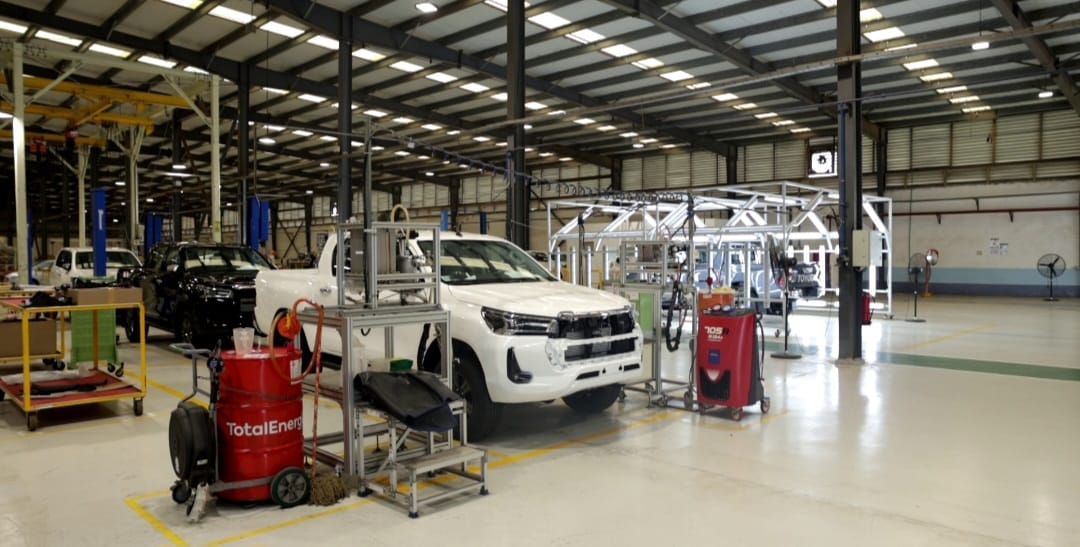
Ghanaian vehicle assemblers have urged the government to reinstate a Value Added Tax (VAT) exemption on locally assembled vehicles. Industry players report a production slowdown following the recent removal of this tax incentive. Maintaining the 20% VAT could force local assemblers to cut production and reduce operations.
This policy change directly affects the competitiveness of locally assembled vehicles in Ghana. The VAT exemption withdrawal risks hundreds of skilled engineering jobs within the automotive sector. This situation jeopardises the government's efforts to grow the local manufacturing industry.
In 2018, the Government of Ghana launched the Ghana Automotive Development Policy. This policy aimed to attract major global vehicle manufacturers to establish assembly plants in the country. Key incentives included a zero-percent VAT on locally assembled vehicles and import duty concessions of between 5% and 10% on components. These measures were designed to make local vehicle assembly financially attractive and competitive.
Emmanuel Jason-Solomon Penneh, Vehicle Assembly Plant Manager at Japan Motors, confirmed the negative impact. Japan Motors assembles Nissan, Foton, Peugeot, and Geely vehicles in Tema. Mr. Penneh stated the company could not increase its production target this year due to the policy change. "Last year we did close to 1,500 [vehicles]," he said. "This year we intended to do more but with the government’s change of policy, where they took the VAT component out, it has reduced local production and made our prices uncompetitive." He added that the company currently produces about 138 vehicles per month.
The removal of the VAT exemption makes locally assembled vehicles more expensive for consumers. This directly reduces demand and overall production volumes. Mr. Penneh appealed to the government to restore the VAT exemption. He argued this action would make local vehicles more competitive and boost both production and sales figures. "The government should maintain the VAT exemption for assembly plants until a new policy is introduced," he concluded.
Beyond tax issues, Nii Arday Arday, Deputy Factory Manager at Toyota Tsusho Manufacturing Company Limited, highlighted further challenges. He expressed concern over persistent delays in clearing imported components at Ghana’s ports. These delays disrupt production schedules and negatively impact the company’s operations. "We sometimes face challenges at the ports in clearing our goods," Mr. Arday stated. "The delays slow down our production, but we continue to work hand in hand with the government to resolve these issues and stabilise operations."
The government's response to these appeals will determine the future growth trajectory of Ghana's automotive assembly industry. Policy makers must balance revenue generation with industrial development targets. Restoring the VAT exemption could revive production and safeguard jobs. However, the government may seek alternative revenue streams or revised incentive structures. Decisions will influence local manufacturing, foreign investment, and employment within the sector.