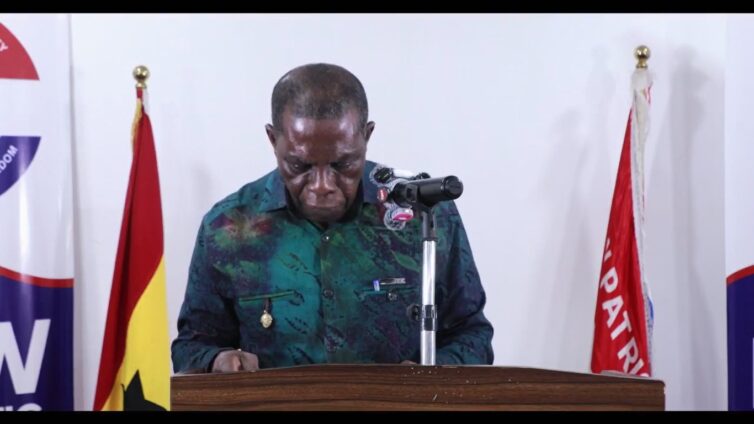
The opposition New Patriotic Party (NPP) has urged President John Mahama to withhold assent from the Ghana Cocoa Board Bill, 2026. The party insists the Bill should return to Parliament for broader consultation with key stakeholders. This call comes amidst concerns that the legislation was rushed through without proper engagement with cocoa farmers.
The NPP argues that the Bill, intended to replace the Ghana Cocoa Board Law, 1984 (PNDC Law 81), introduces major changes. These include new governance arrangements, the establishment of a tribunal, and the creation of new offences. These provisions could significantly impact the livelihoods of cocoa farmers and the structure of the cocoa industry.
This development fits into Ghana's ongoing economic narrative where agriculture, especially cocoa, remains a cornerstone of the national economy. Cocoa exports contribute substantially to foreign exchange earnings. Any legislative changes affecting this sector are closely watched by economic analysts and industry players. Previous legislative efforts in key economic sectors have often faced scrutiny regarding stakeholder engagement.
Dr. Isaac Yaw Opoku, Ranking Member on Parliament’s Agriculture Committee and Co-Chairman of the NPP Policy Committee on Agriculture, made the call. He stated at a press conference on Sunday, August 9, 2026, that the Bill was laid before Parliament on July 28 and passed within the same week. This rapid passage left little time for meaningful consultation with farmers, landowners, and other industry stakeholders.
The NPP specifically raised concerns about provisions that restrict the destruction or uprooting of cocoa trees without prior authorisation. Dr. Opoku argued this requirement could limit farmers’ ability to manage their own farms. It might also expose them to sanctions for removing diseased, unproductive, or old cocoa trees. He questioned why farmers should need prior approval to remove trees they deem unproductive.
The party maintained that any legislation with significant implications for cocoa farmers must undergo extensive consultation before becoming law. They warned that the Bill could have long-term consequences for both current farmers and the future of Ghana’s cocoa industry. This industry is a major contributor to the national economy, supporting millions of Ghanaians.
President Mahama's decision on whether to assent to the Bill or return it to Parliament will be a critical point. It will signal the government's approach to stakeholder engagement in major economic policy. The cocoa industry, markets, and farmers will closely monitor this decision. It could influence future investment and productivity in the sector.
The NPP's intervention highlights the importance of inclusive policy-making in Ghana's agricultural sector. Broad consultation ensures that new laws reflect the realities and needs of those directly affected. This process helps to avoid unintended negative consequences for a vital economic pillar.