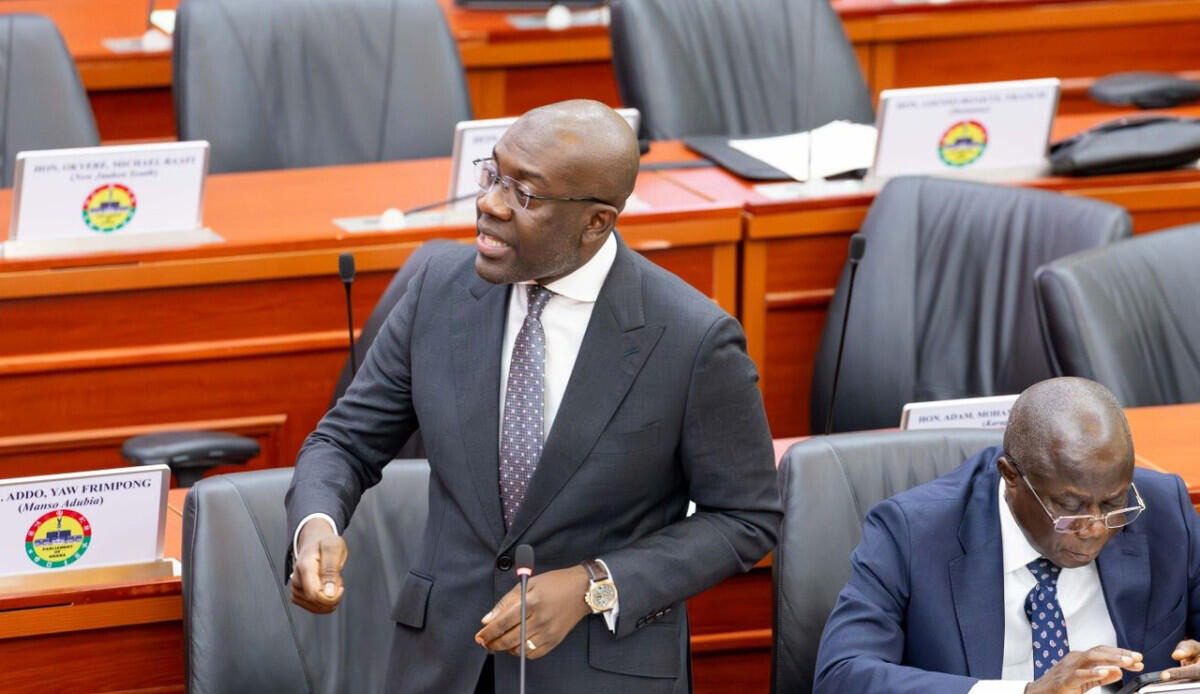
Kojo Oppong Nkrumah, the Member of Parliament for Ofoase-Ayirebi, has challenged the government’s assertion that fertilizer and other farm inputs have been adequately supplied to farmers. He argues that delays in distribution are contributing to rising food prices and increasing economic pressures on Ghanaians. This statement came during the parliamentary debate on the 2026 Mid-Year Budget Review.
The former Information Minister stated that government officials provided inconsistent information regarding the availability and distribution of fertilizer. He insisted that many farmers across the country still await essential inputs for the current farming season. These delays could severely impact agricultural productivity and household expenses.
This situation fits into a broader narrative of economic challenges facing Ghana. Food inflation has been a persistent concern, directly affecting the cost of living for ordinary citizens. The timely provision of agricultural inputs is crucial for maintaining food security and stabilizing market prices, which are key indicators of economic health.
Oppong Nkrumah highlighted the direct impact on consumers, stating, “Ask those who go to the market the price of just one tomato. You will see the value of what you are doing.” This emphasizes the tangible effect of agricultural input delays on daily household budgets. The Minority in Parliament has called for immediate action to ensure farmers receive necessary inputs promptly.
The implications of these delays are significant for Ghana’s economy. Reduced access to fertilizer will likely affect crop yields, potentially worsening the already rising prices of basic food items. This could further strain household incomes and exacerbate inflationary pressures across the country.
Beyond agriculture, Oppong Nkrumah also criticized the government for delays in approving financial clearance for the recruitment of trained teachers and healthcare professionals. He noted that thousands of qualified graduates remain unemployed despite existing vacancies in education and health sectors. Ministers for Education and Health have acknowledged the need for more personnel, but recruitment remains stalled due to lack of approvals.
This delay in public sector recruitment suggests a government focus on fiscal figures over urgent staffing needs. It impacts the quality of service delivery in critical sectors like education and healthcare. The lack of employment opportunities for qualified Ghanaians also represents a missed economic opportunity.
The government’s approach to these issues will be closely watched by citizens and economic observers. Addressing both agricultural input distribution and public sector recruitment is vital for Ghana’s economic stability and social welfare. Timely interventions are necessary to mitigate further price increases and improve public services.
The ongoing parliamentary discussions around the 2026 Mid-Year Budget Review provide a platform for these concerns. The government’s response to these criticisms will shape public perception and economic outcomes in the coming months. Ensuring food security and adequate public services are paramount for sustainable national development.