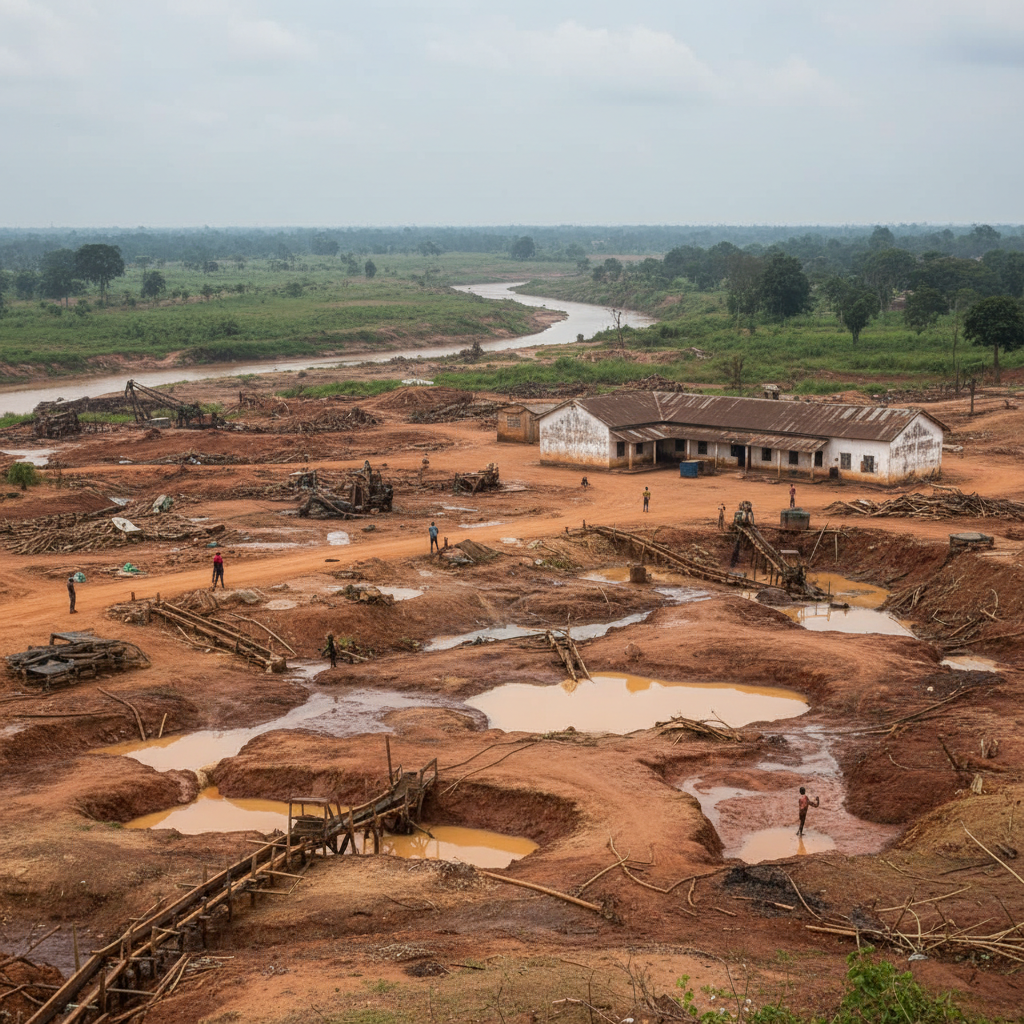
Sammy Gyamfi, Chief Executive Officer of the Ghana Gold Board (GoldBod), has stated that Ghana's ongoing illegal mining crisis, locally known as galamsey, is largely due to decades of inadequate formalisation and state support for small-scale mining. He made these remarks during an X Space conversation on Sunday, August 9, 2026. Mr. Gyamfi explained that despite Ghana initiating formalisation efforts in 1989, successive governments failed to provide essential training, equipment, and environmental safeguards.
This lack of comprehensive support prevented small-scale mining from becoming sustainable. The problem was further exacerbated by the significant role of private operators in the domestic gold-buying sector. This dominance, according to Mr. Gyamfi, made it challenging for the state to effectively trace the origin of purchased gold.
The issue of traceability is central to Ghana's economic stability and environmental protection. The inability to distinguish between legally and illegally sourced gold undermines efforts to regulate the sector. This situation also impacts the nation's revenue generation from mineral resources.
Mr. Gyamfi specifically questioned the effectiveness of previous government-backed gold-buying initiatives. He asked whether these programs, including the Domestic Gold Purchase Programme introduced in 2021, had adequate mechanisms to determine if gold was sourced from legitimate operations. He noted that very little was done to provide formalisation support, training, capacity building, or investment in land reclamation.
The Domestic Gold Purchase Programme aimed to support the purchase of gold for national reserves, foreign exchange, and the Gold for Oil program. However, Mr. Gyamfi highlighted the absence of a clear traceability framework within this initiative. He questioned whether any effort was made to ensure the gold purchased for these critical programs was traceable to legal sources.
Ghana also failed to establish robust systems for registering and monitoring mining equipment, geofencing mining operations, and tracking activities across mining areas. This systemic failure created an environment where illegal mining could thrive unchecked. The absence of a comprehensive traceability framework made it nearly impossible to verify the legality of gold, contributing to environmental degradation and economic losses.
The implications of this poor formalisation are far-reaching. It affects Ghana's ability to attract responsible investment in the mining sector and to meet international standards for mineral sourcing. The ongoing galamsey crisis continues to pollute water bodies and destroy farmlands, posing significant long-term environmental and health risks. Addressing these issues requires a concerted effort to formalise the sector, implement strict monitoring, and ensure transparency in gold purchasing.
Moving forward, decision-makers must focus on creating a robust regulatory framework that includes clear traceability protocols. This will help to legitimise small-scale mining and ensure its contribution to Ghana's economy is sustainable and environmentally responsible. The GoldBod CEO's comments underscore the urgent need for structural reforms in the mining sector.