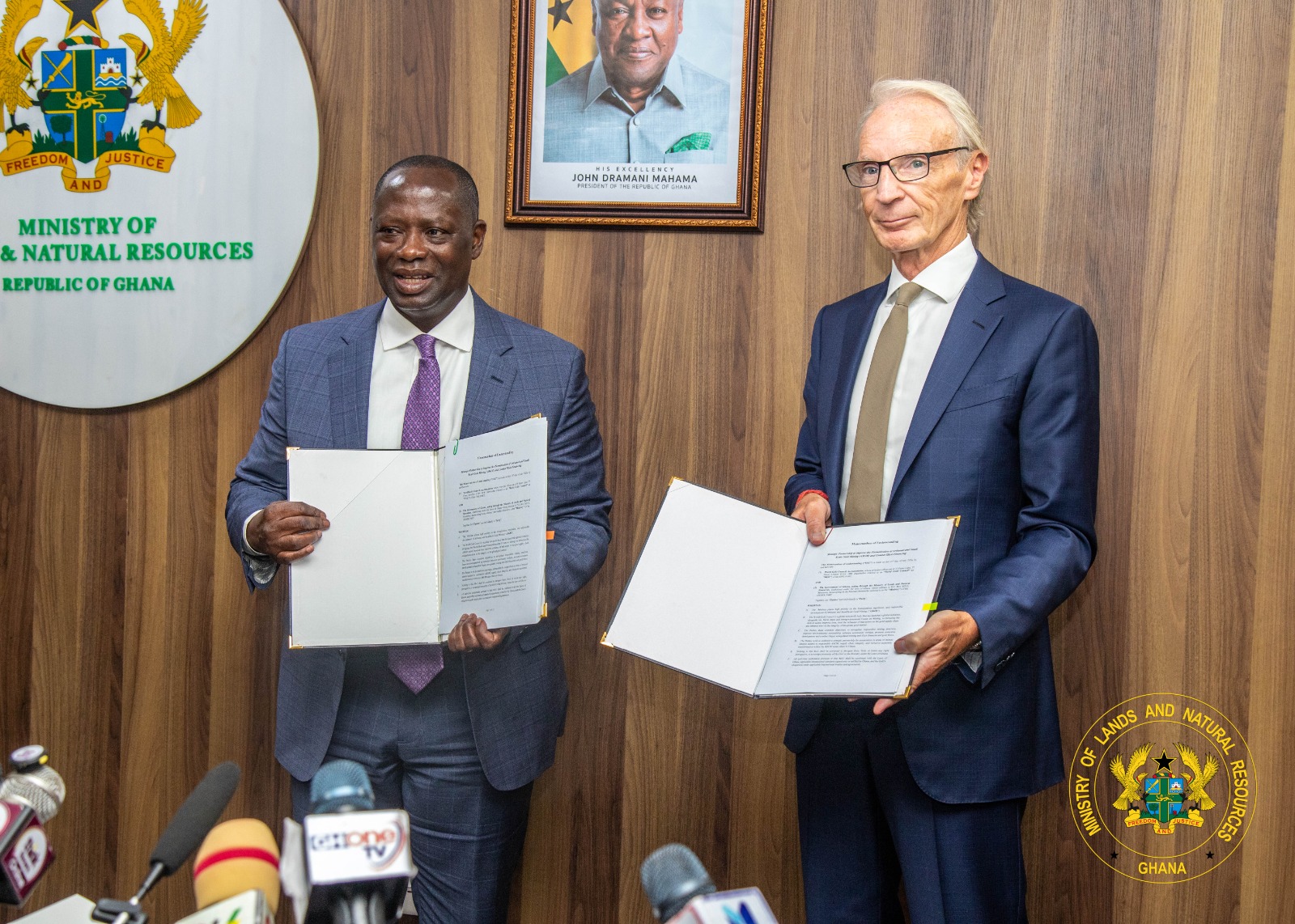
The World Gold Council has committed a US$250,000 grant to Ghana’s responsible small-scale mining programme. This significant financial injection, equivalent to approximately GHS 3.7 million at current exchange rates, aims to bolster efforts in formalizing and improving the country's artisanal and small-scale mining (ASM) sector.
This funding directly addresses the challenges associated with informal mining, often referred to as 'galamsey'. The grant will support initiatives designed to promote safer working conditions, environmentally sound practices, and greater economic inclusion for small-scale miners. The goal is to transform a largely unregulated sector into a more structured and sustainable industry.
Ghana is Africa's leading gold producer, with the ASM sector contributing a substantial portion of the nation's total gold output. The formalization of this sector is critical for Ghana's economic stability and for diversifying its revenue streams. Previous government efforts have sought to curb illegal mining, which has caused significant environmental degradation and social disruption, particularly in water bodies and agricultural lands. This grant aligns with Ghana's broader strategy to manage its natural resources responsibly and sustainably.
While the source material does not provide a direct quote, the World Gold Council's commitment underscores a global recognition of the need for responsible mining practices. International bodies and industry leaders increasingly advocate for initiatives that balance economic development with environmental protection and social equity. This grant reflects a collaborative approach to tackling complex issues within the global gold supply chain.
The successful implementation of this programme could serve as a model for other gold-producing nations facing similar challenges. Decision-makers in Ghana will closely monitor the impact of this grant on formalization rates and environmental outcomes. The initiative is expected to attract further investment and technical support if it demonstrates tangible progress in creating a more responsible and economically viable small-scale mining sector. This development is crucial for Ghana's long-term economic outlook and its standing in the global mining community.
The grant will likely facilitate training programmes for miners, introduce better mining technologies, and strengthen regulatory oversight. It also aims to improve the traceability of gold from small-scale operations, ensuring it meets international standards. This move could enhance Ghana's reputation as a responsible gold producer on the global stage. The government's commitment to this programme will be key to its success.
Ghana's mining sector contributes significantly to its Gross Domestic Product (GDP) and provides employment for millions. Formalizing small-scale mining can lead to increased tax revenues and improved livelihoods for local communities. This grant represents a step towards achieving these broader economic and social objectives. It also highlights the importance of international partnerships in addressing complex national development challenges.