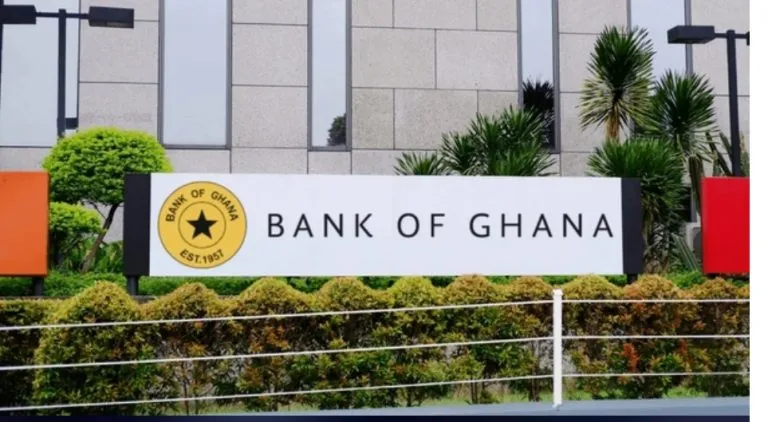
The Bank of Ghana is developing a new regulatory framework specifically for financial technology (fintech) companies. This initiative aims to help Ghanaian fintech firms expand beyond the domestic market and compete across Africa.
This new framework signals a significant shift in regulatory ambition. Instead of only supervising fintechs within Ghana, the central bank seeks to create an environment where local companies can test products, gain regulatory recognition, and scale into other African countries. This approach addresses the fragmented regulatory landscape currently hindering cross-border expansion.
This development fits into Ghana's broader economic strategy to position itself as a regional fintech hub. The country already boasts a sophisticated digital payments ecosystem. However, differing licensing requirements, compliance standards, and data rules across African jurisdictions raise the cost and complexity of expansion. Reducing these barriers could significantly boost Ghana's economic influence and digital trade.
Dr. Kwame Oppong, Director of FinTech and Innovation at the Bank of Ghana, confirmed the central bank's commitment. He stated, “We are developing a regulatory framework specifically for fintechs, one that reflects their unique business models and risk profiles.” This tailored approach acknowledges the distinct operational structures of these innovative businesses.
The implications are substantial for Ghana's fintech sector and regional economic integration. A company approved in Ghana cannot easily operate in Nigeria or Kenya without navigating new regulatory hurdles. The Bank of Ghana's strategy aims to reduce these barriers through a 'continental sandbox.' This sandbox will allow Ghanaian fintechs to test their products across other African markets, building on existing regulatory sandbox models.
Ghana has already begun experimenting with this model. In February 2025, the Bank of Ghana and the National Bank of Rwanda signed a fintech licence-passporting arrangement. This agreement makes it easier for fintech companies licensed in either country to operate in the other without repeating the full licensing process. This bilateral arrangement provides an early example of how regulatory cooperation can evolve into wider African fintech corridors.
Repeated licensing processes consume significant legal, administrative, and financial resources. Younger fintech businesses could otherwise invest these resources in product development, cybersecurity, engineering, customer acquisition, and market expansion. Reducing these costs will help Ghanaian companies scale faster. It will also increase their chances of competing with larger regional and global platforms.
Successful fintech exports could generate skilled employment within Ghana. They could also attract venture capital and create valuable intellectual property. This would establish Ghanaian companies as key providers of financial infrastructure across the continent. Such a move would also strengthen Ghana’s role within the African Continental Free Trade Area (AfCFTA).
Africa’s economic integration increasingly depends on more than just physical trade. It relies on interoperable payments, digital identity, financial services, cross-border settlement, and data systems. These systems must support commerce across national borders. A Ghanaian fintech ecosystem capable of serving multiple jurisdictions would therefore align closely with this broader integration agenda.
However, regional expansion also introduces risks. Digital finance brings vulnerabilities like cybersecurity threats, identity theft, fraud, and money laundering. Operational risks are also associated with increasingly interconnected platforms. As fintech businesses scale across borders, regulatory failures in one jurisdiction could create consequences elsewhere. The Bank of Ghana must carefully balance innovation with robust risk management.