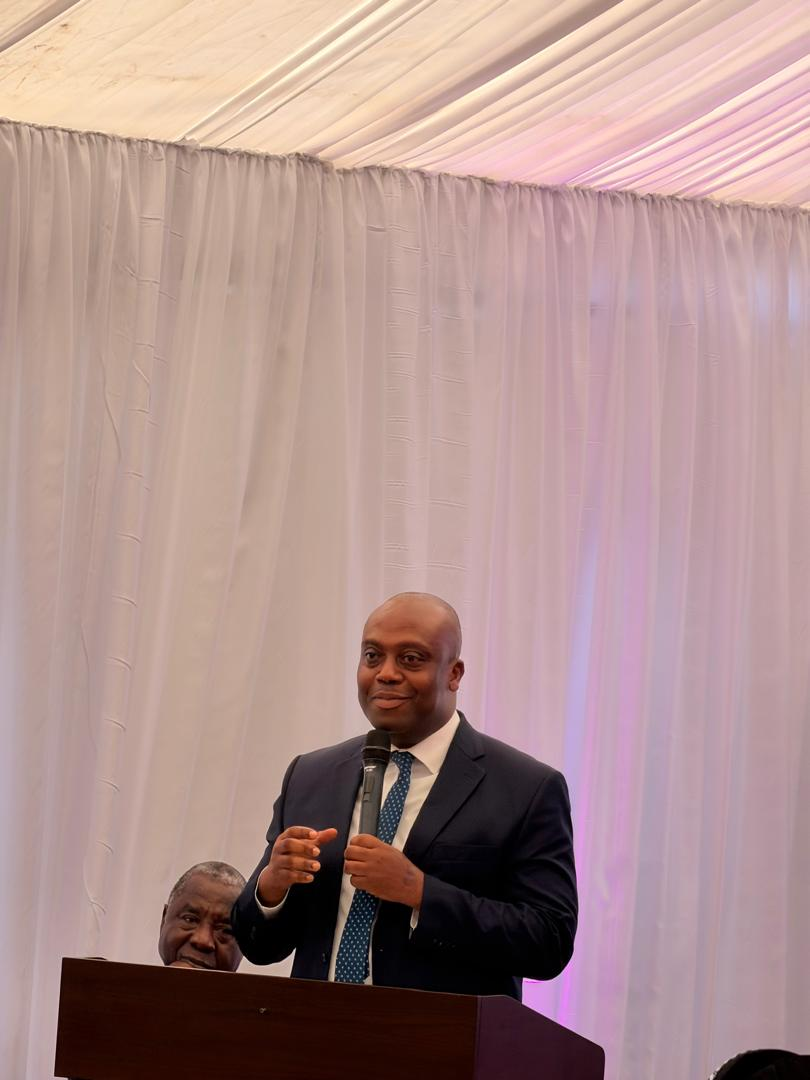
Ghana has urged African countries to accelerate economic integration by supporting African-owned businesses and financial institutions. Deputy Finance Minister Thomas Nyarko Ampem stated that investment, trade, and strong regional institutions must drive the continent's next phase of integration. This call came during the opening of First Atlantic Bank Liberia in Monrovia on Friday, July 31, 2026.
Mr. Ampem delivered President John Dramani Mahama’s address, emphasizing the need to remove economic barriers. He noted that finance forms a critical foundation for regional integration. While roads connect people and ports facilitate trade, banks help move opportunities across borders, he explained. This focus on financial infrastructure is crucial for fostering seamless economic activity across the continent.
This initiative aligns with Ghana's broader economic strategy to strengthen regional ties and boost intra-African trade. Ghana has consistently advocated for policies that promote African self-reliance and reduce dependence on external financing. The country views robust financial institutions as key enablers for achieving these goals, particularly within the context of the African Continental Free Trade Area (AfCFTA).
“The generation of Kwame Nkrumah and William Tubman dismantled political barriers. Our generation must remove economic barriers,” Mr. Ampem stated. He argued that businesses operating within West Africa should have seamless access to banking services regardless of national boundaries. This vision aims to create a unified economic space where entrepreneurs can thrive without facing cross-border financial hurdles.
The Deputy Minister highlighted that the Economic Community of West African States (ECOWAS), with a population exceeding 400 million people, currently sees only about 12 percent of its trade occurring within the region. He described this low intra-regional trade as one of Africa’s biggest untapped economic opportunities. This figure underscores the immense potential for growth if economic barriers are effectively addressed.
Mr. Ampem also pointed to the African Continental Free Trade Area (AfCFTA), which connects 54 countries and 1.4 billion people. This area boasts a combined economy valued at more than US$3.4 trillion. The World Bank projects that full implementation of AfCFTA could increase intra-African exports by about 81 percent by 2035. This growth would come through reduced trade barriers, improved trade facilitation, and stronger regional value chains.
Financial institutions like First Atlantic Bank play an important role in unlocking these opportunities. They provide financing, facilitate payments, and support cross-border investments. The expansion of African-owned banks across the continent reflects growing confidence in Africa’s ability to finance its own development and build stronger economic partnerships.
The push for African capital and financial integration suggests a future where regional banks become central to economic development. Decision-makers and markets will closely watch the expansion of these institutions and the implementation of policies that support cross-border financial services. Success in this area could significantly boost intra-African trade and investment, leading to substantial economic benefits across the continent.