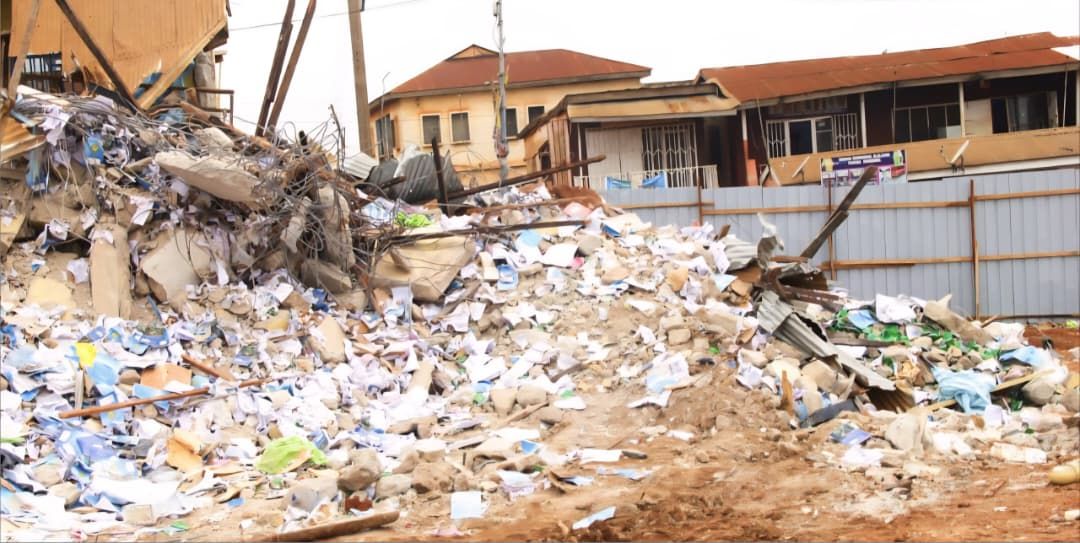
Sekyedumase Rural Bank has threatened legal action against the Asokore Mampong Municipal Assembly. This follows the demolition of its Aboabo branch building. The Assembly carried out the demolition to make way for the government's 24-hour market project.
The bank's Chief Executive Officer, Afriyie Michael Kwabena, reported a significant financial loss. He stated that approximately GHS 10 million could not be accounted for from the bank's vault. This alleged loss occurred at the time of the building's destruction. The bank also reported the destruction of other properties and important documents during the demolition.
This incident highlights growing tensions between local government development initiatives and private sector operations. Ghana's push for infrastructure projects, like the 24-hour market, often clashes with existing property rights. Such disputes can deter investment and create uncertainty for businesses. The government aims to boost economic activity through these markets, but proper engagement is crucial. Data from the Ghana Statistical Service shows that small and medium-sized enterprises (SMEs) are vital for job creation. Disruptions like this can severely impact their operations and public trust.
Mr. Afriyie Michael Kwabena confirmed discussions with the Assembly regarding relocation before the demolition. He stated, "We have had meetings after the Assembly had informed us about the 24-hour market project." He added that the bank had agreed to relocate to the Asawase Market. However, regulatory approval was still pending for the move. The bank was surprised when the Assembly proceeded without issuing a formal notice to vacate. This suggests a breakdown in communication and due process.
The bank's decision to pursue legal action signals a potential long and costly dispute. This situation could set a precedent for how municipal assemblies handle property acquisitions for public projects. It also raises questions about compensation for businesses affected by such developments. Financial markets and investors will closely watch the outcome, especially regarding property rights. The incident may influence future investment decisions in areas targeted for urban renewal. Ensuring fair compensation and adherence to legal procedures is paramount for maintaining investor confidence and economic stability.
The Presiding Member of the Asokore Mampong Municipal Assembly, Mohammed Al-Jara, acknowledged procedural lapses. He indicated that the demolition occurred before the General Assembly could discuss the matter. This admission suggests internal governance issues within the municipal authority. The bank's customer records and data, however, remained safe due to its network system. This digital resilience prevented a wider financial crisis for its clients. The focus now shifts to the legal proceedings and potential compensation for the bank's substantial losses. This case underscores the need for clear communication and adherence to legal frameworks in public-private interactions.