UBA Ghana more than doubled its lending to customers, reaching GHS 1.50 billion during the first half of 2026. This significant credit expansion coincided with a sharp reduction in its non-performing loan (NPL) ratio to 1.70%.
The bank's loans and advances surged by 108.40% to GHS 1.50 billion by June 2026, up from GHS 721.70 million a year earlier. Simultaneously, its gross non-performing loan ratio plummeted from 17.30%, marking a 15.60 percentage point improvement. This combination of rapid loan growth and improved asset quality is a key feature of UBA Ghana's performance.
This development signals a broader shift in Ghana's financial sector, where banks are increasingly deploying capital into customer credit. For a period, Ghanaian banks held substantial liquid and government-related assets. The current trend suggests financial institutions are now more willing to support businesses. This aligns with the nation's economic recovery efforts, which depend on improved financial conditions translating into accessible credit for businesses to expand and invest. The Bank of Ghana's recent efforts to stabilize inflation and the currency have created a more conducive environment for such lending.
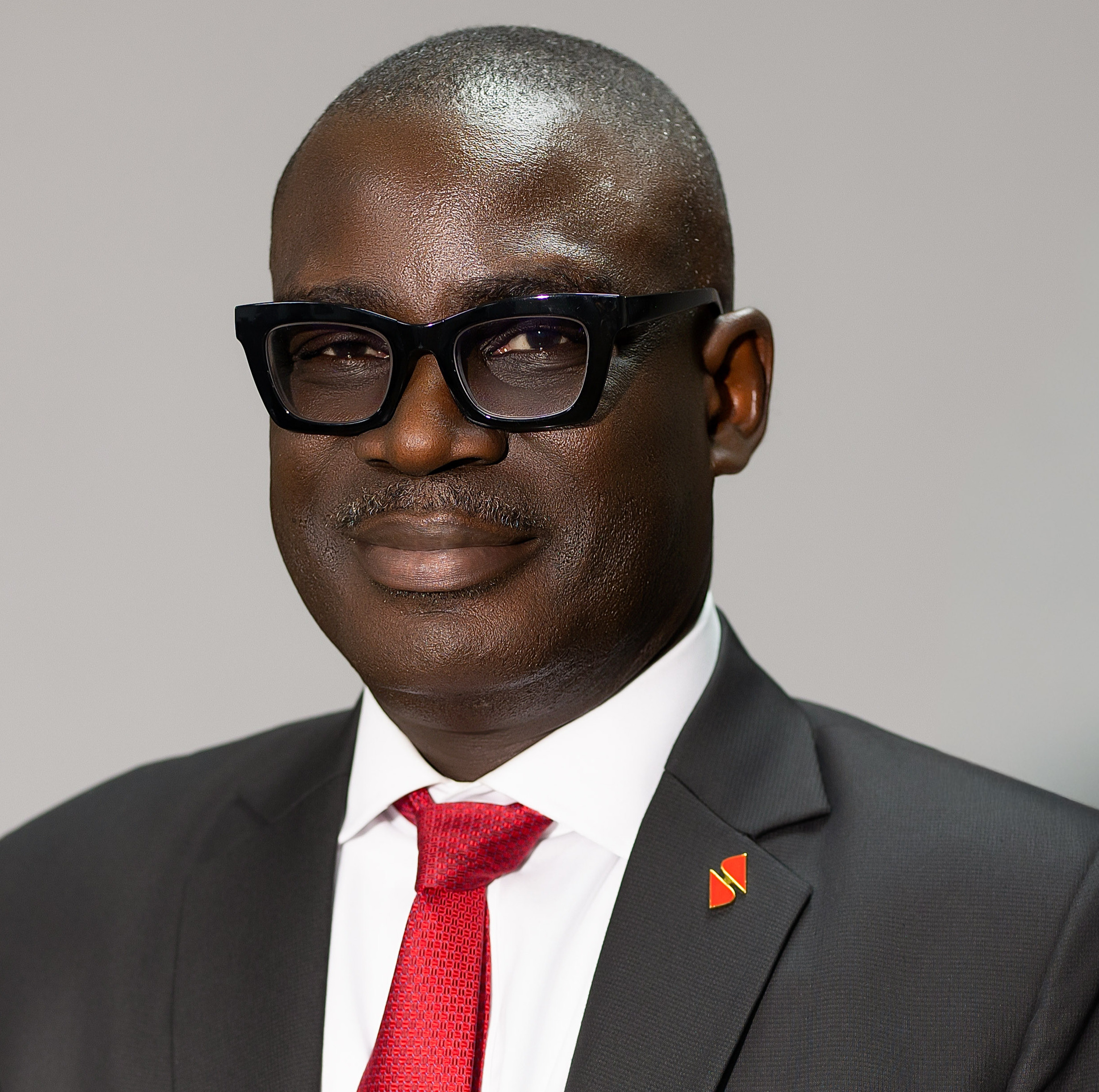
Bernard Gyebi, Managing Director and Chief Executive Officer of UBA Ghana, stated the performance reflects a balance between growth and risk management. He said, "Our first-half performance reflects the strength and resilience of our franchise and, importantly, our determination to grow responsibly." Mr. Gyebi added, "We have more than doubled our lending to customers while significantly improving the quality of our loan book."
The rapid credit expansion and improved NPL ratio will draw scrutiny from investors and regulators. They will examine whether the NPL decline resulted from stronger loan recoveries, write-offs, restructuring, or changes in the loan book's composition. The true test will be if this improvement in asset quality persists as the newly originated credit matures. This sustained performance is crucial for long-term financial stability.
UBA Ghana enters this period of growth with substantially stronger capital buffers. Total equity increased to GHS 2.03 billion from GHS 1.69 billion. The Capital Adequacy Ratio rose to 21.40% from 14.80%, well above regulatory minimums. Its Common Equity Tier 1 ratio also strengthened to 19.40% from 12.70%. The bank's leverage ratio improved to 10.20% from 8.00%, indicating reduced financial risk. Liquidity also remained strong, with the ratio increasing to 119.30% from 76.90%.
These robust capital and liquidity positions are vital because aggressive loan expansion consumes capital and exposes banks to potential future credit losses. A lender with strong capital can better absorb unexpected deterioration in its loan portfolio. Mr. Gyebi reiterated, "Our strong capital and liquidity positions give us greater capacity to support our customers and pursue opportunities in key sectors of the economy."
Despite the significant balance-sheet expansion, UBA Ghana's profitability declined. The bank recorded a profit before tax of GHS 238.10 million, down 15.81% from GHS 282.80 million in the first half of 2025. Profit after tax stood at GHS 133.10 million, with net operating income reaching GHS 383.60 million. This profitability decline was partly due to weaker net interest income, which fell by 20.52% from GHS 332.40 million to GHS 264.20 million. This suggests that while lending more, the bank earned less interest, possibly reflecting moderating interest rates in Ghana's financial system.