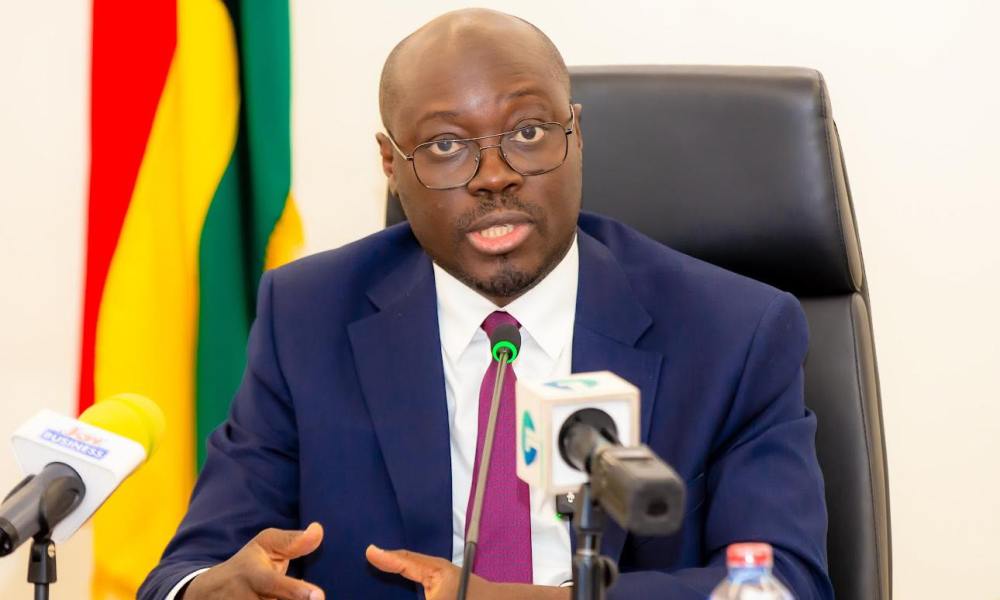
Ghana's government has transferred GHS 400 million to an escrow account at the Bank of Ghana. This capitalisation aims to establish the Women's Development Bank, with operations expected to begin before the end of 2026. Finance Minister Dr. Cassiel Ato Forson confirmed this during the mid-year budget review on Thursday, July 23, 2026.
The GHS 400 million transfer represents a significant step towards launching this specialized financial institution. The bank's primary goal is to address the credit gap faced by women entrepreneurs and businesses. It will offer low-interest loans, business advisory programs, and financial literacy training. These services are crucial for empowering women economically across Ghana.
This initiative fits into Ghana's broader economic strategy to foster inclusive growth and reduce poverty. Access to finance remains a major hurdle for many small and medium-sized enterprises (SMEs), especially those led by women. The Women's Development Bank seeks to unlock the economic potential of women, contributing to national development. Similar development banks have historically played a vital role in supporting underserved segments of the economy.
Dr. Cassiel Ato Forson stated, "The government has made progress with the Women Development Bank… an amount of GHS 400 million to the Bank of Ghana for the Women Development Bank to commence operations before the end of this year." This statement, made in Parliament, underscores the government's commitment. The institution is currently in its final regulatory stages, awaiting an operational license from the Bank of Ghana.
The successful launch of the Women's Development Bank could significantly impact financial inclusion metrics in Ghana. It will provide a dedicated channel for women to access much-needed capital and financial education. Decision-makers and market observers will closely watch the bank's operational readiness and its initial impact on women-led businesses. Its performance will also indicate the effectiveness of targeted financial interventions in Ghana's evolving economic landscape. The Bank of Ghana's licensing process is the next critical step before the bank can open its doors.
The establishment of such a bank reflects a growing recognition of women's role in economic development. Providing tailored financial products can boost productivity and job creation. This move could also encourage other financial institutions to develop more inclusive lending practices. The long-term success will depend on effective management and outreach to women in both urban and rural areas. The government's initial capital injection provides a strong foundation for these future operations.
Ghana's financial sector continues to evolve, with specialized institutions playing a key role in addressing specific market failures. The Women's Development Bank is poised to become a vital component of this ecosystem. Its focus on low-interest loans and advisory services distinguishes it from traditional commercial banks. This approach aims to build sustainable businesses and improve livelihoods for women across the country. The coming months will be crucial for its final preparations and regulatory approvals.