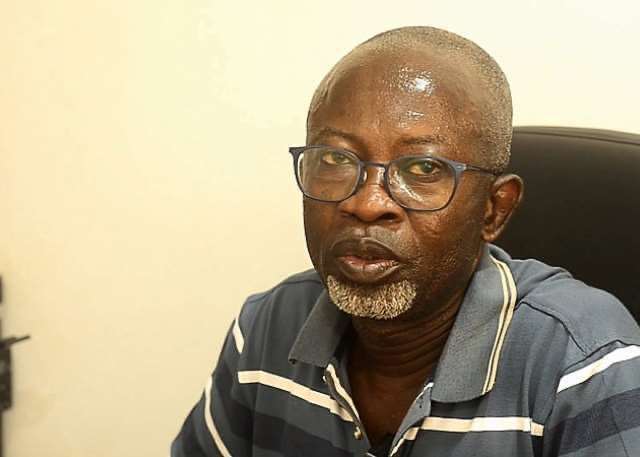
Political analyst Dr. Kwasi Amakye-Boateng has publicly criticized Ghanaians for undervaluing local businesses. He stated this negative perception among some citizens hinders the successful management of major state assets by indigenous entrepreneurs. This viewpoint, expressed on Angel FM in Kumasi, highlights a significant challenge to Ghana's economic development.
Dr. Amakye-Boateng questioned why the public often remains silent when state-owned enterprises are transferred to foreign investors. Conversely, he noted, concerns frequently arise when similar opportunities are extended to Ghanaian entrepreneurs. This disparity in public reaction, he argued, reflects a deep-seated lack of confidence in local business capabilities.
This issue fits into Ghana's broader economic narrative of fostering local content and industrialization. The government has consistently advocated for increased participation of Ghanaian businesses in key sectors. However, public skepticism can undermine these efforts, potentially leading to a reliance on foreign direct investment even in areas where local expertise could thrive. This trend impacts job creation and wealth retention within the country.
According to Dr. Amakye-Boateng, such perceptions actively undermine confidence in Ghanaian businesses. They also discourage the growth of local entrepreneurship, which is vital for a robust and diversified economy. He maintained that Ghanaian investors should receive opportunities to demonstrate their capacity, alongside strict accountability for managing businesses and state assets properly.
The success of indigenous businesses requires more than just government support; it also demands a fundamental change in public attitudes. If Ghanaians do not trust their own entrepreneurs, it becomes difficult for local firms to secure contracts, attract investment, and expand operations. This can lead to a cycle where local businesses struggle, reinforcing the initial negative perceptions.
The implications are significant for Ghana's economic future. A continued undervaluation of local businesses could stifle innovation and limit the creation of sustainable jobs. Decision-makers must consider policies that not only support local enterprises financially but also actively work to shift public opinion. This includes highlighting successful Ghanaian businesses and promoting their contributions to the national economy.
What happens next will depend on how effectively these concerns are addressed by both the public and policymakers. A concerted effort is needed to build trust and confidence in Ghanaian entrepreneurs. This will be crucial for achieving long-term economic independence and prosperity. The conversation initiated by Dr. Amakye-Boateng underscores a critical area for national focus and strategic intervention.