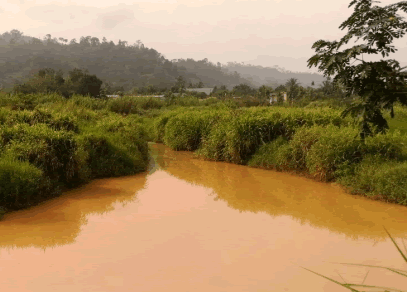
60% of Ghana’s water bodies are currently polluted, according to a scientist at the Council for Scientific and Industrial Research-Water Research Institute (CSIR-WRI). Dr. Franco Enobrenaco, from the Groundwater and Geoscience Division of CSIR-WRI, delivered this stark warning during a presentation. He indicated that Ghana could face the necessity of importing water if immediate actions are not taken to safeguard the nation’s rivers and other water sources.
The primary driver behind this widespread pollution is illegal mining, commonly referred to as galamsey. Dr. Enobrenaco stressed that the issue will worsen as Ghana's population grows, placing increased strain on the remaining clean water resources. This environmental degradation directly impacts the nation's economic stability and public health, necessitating prompt intervention.
This alarming statistic highlights a critical challenge within Ghana’s broader economic and environmental narrative. The rampant nature of illegal mining has long been a concern, affecting not only water quality but also agricultural land and forest cover. Previous government initiatives to combat galamsey have faced significant hurdles, indicating the deep-seated nature of the problem. Protecting the remaining 40% of relatively unpolluted water bodies is now an urgent national priority.
Dr. Franco Enobrenaco emphasized the need for a comprehensive strategy to address the crisis. He proposed a two-pronged approach focusing on reducing illegal mining activities and rigorously enforcing existing mining laws. He also advocated for creating alternative livelihoods for individuals dependent on illegal mining, preventing their return to destructive practices. This approach aims to tackle the root causes of pollution rather than just its symptoms.
The implications of continued water pollution are far-reaching for Ghana's economy and society. Polluted water poses severe risks to public health, potentially leading to waterborne diseases. It also threatens agriculture, as crops irrigated with contaminated water can absorb harmful substances, entering the human food chain. Industries and energy production could also suffer due to the high cost of treating polluted water. Decision-makers must prioritize sustainable solutions to avert a future water crisis and protect Ghana's economic future.
Dr. Enobrenaco noted that efforts to clean polluted water would be ineffective if the source of pollution remains unchecked. He also recommended using diverse treatment methods instead of relying on a single technology to restore contaminated water bodies. He cited the successful restoration of the Thames River in the United Kingdom as an example, suggesting that Ghana can reverse the damage with concerted effort. The economic cost of inaction far outweighs the investment required for remediation and prevention.
The CSIR-WRI Mid-Year Review 2026, where these findings were presented, focused on the theme, “Can Ghana Heal Her Waters? Toward Sustainable Remediation of Polluted Water Bodies.” This theme underscores the national recognition of the severity of the problem. The government and relevant stakeholders must now translate these warnings into concrete policies and actions. The future economic prosperity and public well-being of Ghana depend on safeguarding its vital water resources.