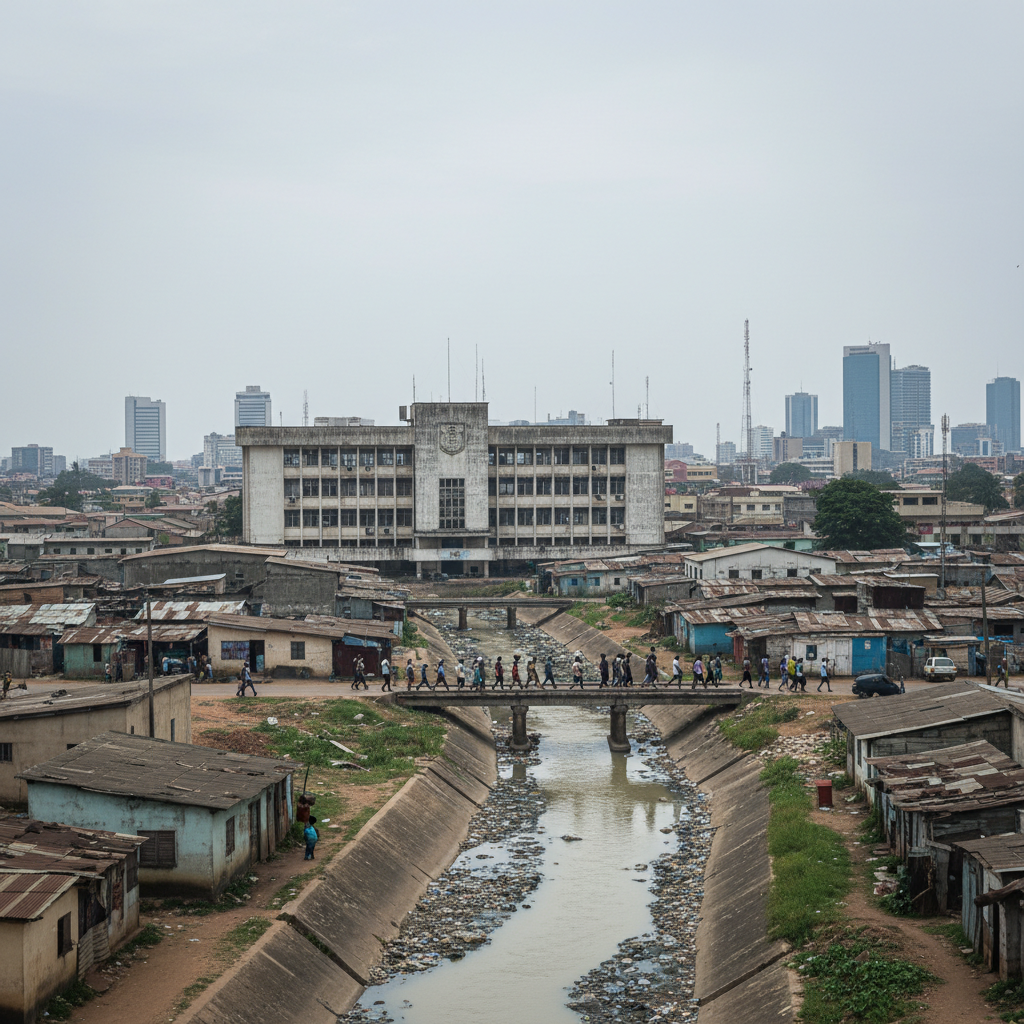
Ghana possesses comprehensive data regarding flood-prone communities and vulnerable populations, but consistently fails to translate this knowledge into effective action. Public Health Researcher Judith William of Ensign Global University states that weak implementation, not a lack of information, is the country's biggest challenge in preventing flood disasters. This ongoing issue results in recurring public health emergencies despite available research and recommendations.
William, speaking at the seventh edition of the Loud and Green XSpaces conversation hosted by JoyNews, emphasized that researchers have sufficient evidence. This evidence identifies specific neighborhoods that flood and populations that regularly lose access to essential services. She challenged the notion that inadequate data is the main reason for Ghana's persistent flood-related public health crises. The core problem lies in the absence of systems and the political will to act on existing knowledge.
This situation reflects a broader trend in Ghana where policy formulation often outpaces practical execution. Despite significant investment in data collection and research across various sectors, the impact on the ground remains limited. For instance, the National Disaster Management Organisation (NADMO) frequently issues flood warnings based on meteorological data, yet urban planning and drainage infrastructure improvements lag. This disconnect between data and action contributes to an estimated GHS 200 million in annual flood-related damages in Accra alone, according to a 2022 World Bank report.
Judith William asserted that years of research have produced numerous recommendations for improving flood preparedness, disease prevention, and emergency response. However, many of these proposals have not been translated into practical interventions. She stated, "We can research and research and provide all the solutions we need, but if there is no willingness to implement the recommendations, then the research becomes pointless." This highlights a critical need for stronger coordination between researchers, policymakers, and communities.
The implications of this inaction are severe, particularly for public health. Flooding leads to contaminated water sources, increased prevalence of waterborne diseases like cholera, and disruption of healthcare services. Decision-makers must prioritize investment in resilient infrastructure and enforce existing building codes in flood-prone areas. The public health and economic costs of inaction far outweigh the investment required for effective prevention. Ghana's ability to manage future flood emergencies will depend heavily on matching existing knowledge with decisive, practical action.
Moving forward, stakeholders must focus on creating robust implementation frameworks and accountability mechanisms. This includes allocating dedicated budgets for flood mitigation projects and ensuring inter-agency collaboration. Without a concerted effort to operationalize research findings, Ghana will continue to face preventable flood disasters and their devastating consequences. The emphasis must shift from merely collecting data to actively utilizing it for tangible improvements in public safety and infrastructure.