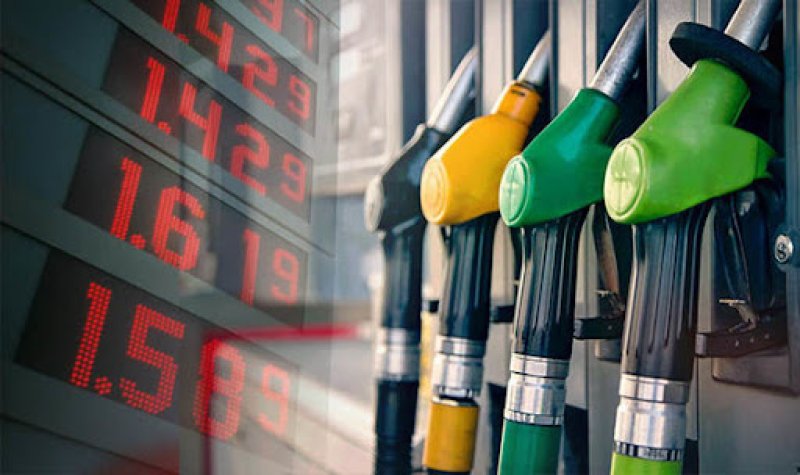
The Chamber of Oil Marketing Companies (COMAC) states that Ghana's Uniform Pricing Policy Fund should not be confused with a direct fuel subsidy from the government. This clarification comes as the government continues to protect consumers from rising diesel prices due to increasing international oil costs. The fund ensures fuel prices remain consistent across all regions of Ghana, regardless of location.
Dr. Riverson Oppong, Chief Executive Officer of COMAC, explained the fund's purpose. It guarantees that consumers pay the same price for fuel whether they are in Tamale, Kumasi, or any other part of the country. This arrangement prevents people in areas far from fuel import points from paying significantly higher prices for petroleum products. Without this fund, fuel would be much cheaper at coastal ports than in inland regions, similar to situations in countries like Angola or Namibia.
This policy is crucial for maintaining economic stability and fairness across Ghana. It ensures that businesses and individuals in remote areas do not face disproportionately higher operational costs due to fuel transport. The fund helps to level the economic playing field, supporting national development and equitable access to essential resources. It also prevents potential inflationary pressures that could arise from varied regional fuel costs.
Dr. Oppong stressed that the Uniform Pricing Policy Fund does not directly impact government revenue. He clarified that while it represents a government intervention, it is not the same as a direct subsidy that burdens the national budget. The real financial strain on government budgets, he noted, comes from taxes and levies that could be adjusted to cushion consumers. He suggested that freezing certain taxes and levies could be a more sustainable approach to manage fuel price increases.
COMAC welcomes the government's current interventions to support consumers. Dr. Oppong reiterated the industry's appreciation for these measures, acknowledging them as necessary government support. He also advocated for discussions on how increased revenue from Ghana's upstream petroleum sector could benefit the downstream sector. Ghana's upstream sector, which involves oil and gas exploration and production, often generates higher profits when crude oil prices rise.
Dr. Oppong proposed using a portion of these higher-than-projected crude oil revenues to support businesses and consumers in the downstream sector. He highlighted the disparity where the upstream sector thrives while the downstream sector faces significant pressure. For example, he suggested that if the upstream sector gains an additional $20 million, some of that could be allocated to cushion the struggling downstream market. This would create a more balanced distribution of benefits from the country's oil wealth.
He called for a dialogue among stakeholders to determine how to share these additional profits. This collaborative approach would ensure that both sides of the petroleum industry benefit from favourable market conditions. Such a strategy could provide much-needed relief to consumers and businesses without directly impacting the government's core revenue streams. It would also foster greater transparency and cooperation within the energy sector.
The government's ongoing efforts to manage fuel prices are critical for controlling inflation and maintaining public confidence. Any policy changes regarding fuel pricing or subsidies will be closely watched by consumers, businesses, and financial markets. The sustainability of current interventions and the potential for new revenue-sharing models will shape Ghana's economic outlook in the coming months. Stakeholders anticipate further engagement on these vital issues.