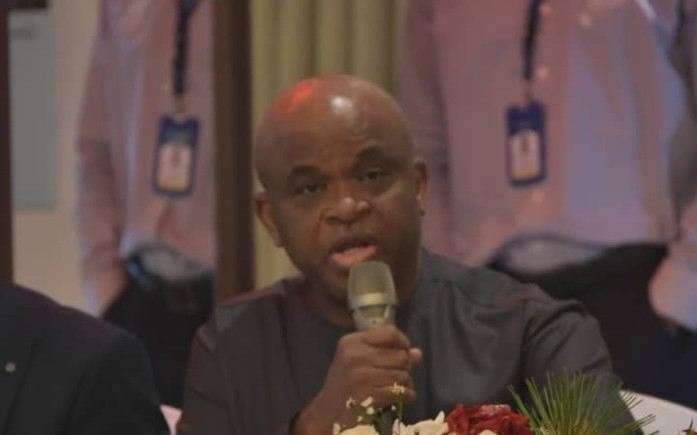
The Electricity Company of Ghana (ECG) will not pay dividends to its sole shareholder, the government, for the year 2025. The state-owned power distributor recorded a loss after tax of GHS 2.52 billion in 2025. This announcement came from Board Chairman William Amuna at the company's 18th Annual General Meeting (AGM) in Accra on Thursday, July 30, 2026.
Despite the inability to pay dividends, the 2025 financial performance represents a significant improvement. The loss of GHS 2.52 billion is substantially better than the GHS 8.26 billion loss reported in 2024. ECG's revenue also grew by 16.2 percent, reaching GHS 22.11 billion in 2025, indicating some positive operational changes.
This financial outcome highlights the ongoing challenges within Ghana's energy sector, particularly for state-owned enterprises. The government, as the sole shareholder, relies on such entities to contribute to national revenue. ECG's continued losses place a burden on public finances, potentially requiring government support or hindering investment in other critical sectors. The Public Utilities Regulatory Authority (PURC) and other stakeholders are closely monitoring these developments.
Mr. Amuna explicitly stated, "In view of the financial outcome for the year and the company's retained losses position, the Directors do not recommend the payment of dividend." He assured attendees that the board is committed to restoring the company's financial health. The AGM, the first in over eight years, saw representatives from the Ministry of Finance and the State Interest and Governance Authority (SIGA) in attendance.
The company is actively implementing government-proposed reforms aimed at long-term financial sustainability. The board has endorsed a comprehensive four-channel strategy to address its financial woes. This strategy focuses on debt reduction, achieving full cost recovery for tariffs, reducing system losses, and improving revenue collection. It also aims to grow other income streams for the company.
The successful implementation of this strategy is crucial for ECG's future and the stability of Ghana's power supply. Decision-makers and financial markets will be watching closely for signs of progress in these reform efforts. The ability of ECG to achieve full cost recovery and reduce losses will directly impact electricity tariffs and the overall economic environment in Ghana. Continued financial instability could lead to further government intervention or increased electricity costs for consumers.