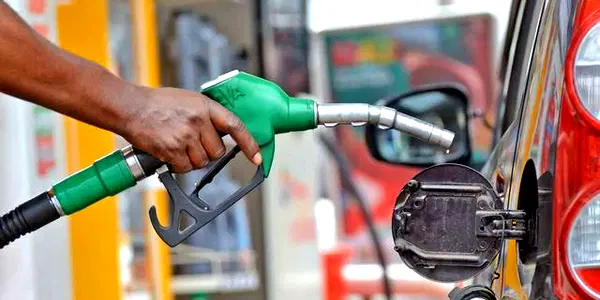
Ghanaian consumers will face a 12.5% increase in fuel prices from August 1, 2024, according to projections from the Chamber of Oil Marketing Companies (COMAC). This significant rise will affect petrol, diesel, and Liquefied Petroleum Gas (LPG), leading to higher costs for motorists, transport operators, and businesses across the country.
The projected increases are primarily driven by a sharp rise in global crude oil prices and a slight depreciation of the Ghana cedi against the US dollar. Diesel is expected to see the largest jump, climbing by about 12.50%, while petrol prices could increase by approximately 7.58%. LPG prices are also forecast to go up by about 4.13%.
This impending price hike fits into a broader trend of inflationary pressures within the Ghanaian economy. Fuel costs are a major component of the Consumer Price Index, and their increase often translates into higher prices for goods and services. The National Petroleum Authority (NPA) has already set higher price floors for the first pricing window of August, indicating the official recognition of these upward trends.
COMAC attributes the projected increases to the escalating conflict between the United States and Iran. This geopolitical tension has driven up global crude oil and refined petroleum product prices due to concerns over supply disruptions. Higher freight costs and security risks along the Strait of Hormuz, a critical shipping lane, have also contributed to the surge.
Average crude oil prices rose by 23.25% in late July, moving from US$71.90 per barrel to US$88.62 per barrel. Refined petroleum products also saw substantial increases, with diesel rising by 24.84%, petrol by 12.58%, and LPG by 12.24%. The Ghana cedi's depreciation by 1.41% against the US dollar, from GHS 11.50 to GHS 11.66, further exacerbates the situation by making petroleum imports more expensive.
The National Petroleum Authority (NPA) has responded by setting new, higher price floors for the upcoming pricing window. The petrol price floor is now GHS 14.53 per litre, a 9.41% increase. Diesel's price floor has risen by 18.26% to GHS 16.97 per litre, and LPG's price floor increased by 8.54% to GHS 11.06 per kilogram. These price floors represent the minimum prices at which oil marketing companies and LPG marketing companies can sell their products.
The implications of these increases are significant for the Ghanaian economy. Higher fuel costs will directly impact transportation fares, potentially leading to renewed calls for adjustments from unions like the Ghana Private Road Transport Union (GPRTU). Such adjustments would increase commuting costs for households and add to inflationary pressures across various sectors. Businesses will also face higher operating costs, which could be passed on to consumers, further straining household budgets.
Policymakers and economic observers will closely monitor the impact of these fuel price hikes on inflation and consumer spending. The government may face pressure to implement measures to cushion the effect on citizens, especially vulnerable populations. The trajectory of global crude oil prices and the stability of the Ghana cedi will remain critical factors influencing future fuel price adjustments.