Ghana is advancing plans for a 1,200-megawatt (MW) state-owned gas-fired power plant and a modular gas processing facility. These projects aim to strengthen the nation's energy security and expand electricity generation capacity. The government expects these initiatives to reduce power generation costs significantly.
The gas processing facility will have a capacity of 100 million standard cubic feet per day. This project is a partnership between the government and the private sector. Land acquisition for the facility is complete, with environmental assessments and engineering designs currently underway.
This development fits into Ghana's broader economic strategy to enhance domestic energy infrastructure. Reliable and affordable power is crucial for industrial growth and attracting foreign investment. The projects align with the government's long-term vision for energy self-sufficiency and economic stability.
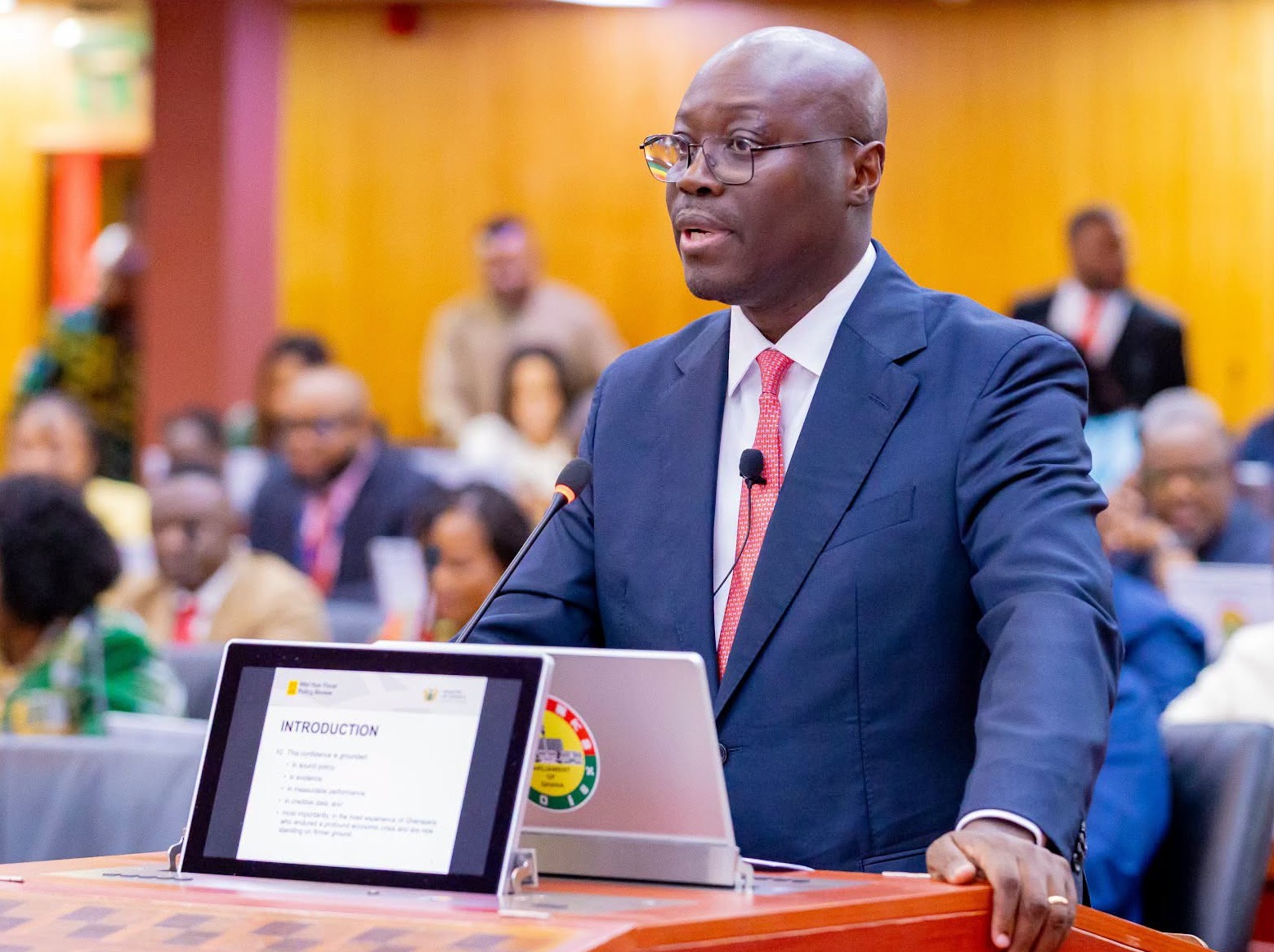
Finance Minister Dr. Cassiel Ato Forson presented these plans to Parliament during the 2026 Mid-Year Budget Review. He stated that the gas processing facility is projected to create nearly 1,000 jobs. The facility is also expected to generate about GHS 2 billion in benefits to the state over the next five years through fuel savings, foreign exchange savings, taxes, levies, and dividends.
The 1,200 MW combined-cycle gas-fired power plant will be located at Kafodzidzi-Abrobeano in the Central Region. Feasibility studies have confirmed the project's viability. Environmental assessments, engineering designs, and permit processes are progressing steadily.
The first phase of the power plant, comprising 600 MW, is expected to be commissioned in 2028. The government secured gas turbines directly from GE Vernova. This direct procurement is estimated to save between 35% and 45% compared to purchasing equipment through third parties.
The power plant is anticipated to lower electricity generation costs. This reduction could lead to a decrease in electricity tariffs of between 10% and 20%. The project is also expected to create more than 2,000 direct and indirect jobs during its first phase.
These energy projects are critical for Ghana's economic outlook. Lower electricity costs can boost manufacturing and reduce operational expenses for businesses. This could stimulate economic growth and improve the competitiveness of Ghanaian industries.
Parliament will consider the gas processing facility project, with financial close expected before the end of 2026. The successful implementation of these projects will be a key indicator of the government's commitment to energy sector reforms and economic development. Investors and citizens will closely watch the progress of these significant infrastructure investments.