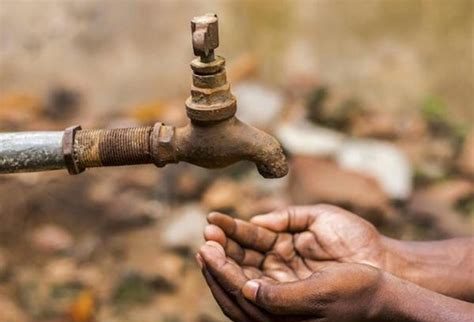
Ghana Water Limited (GWL) has apologised to customers nationwide for temporary disruptions in water supply. These disruptions followed a nationwide power outage on Wednesday, July 29, 2026. The state-owned utility explained that the interruption in electricity supply affected several of its water treatment plants and pumping stations. This significantly reduced its capacity to produce and distribute water to consumers.
The water shortages were triggered by the nationwide power failure. This failure was linked to a disturbance on the National Interconnected Transmission System (NITS). The electricity disruption left many of GWL’s operational facilities without stable power. This forced a temporary slowdown in water production across various communities. GWL’s treatment plants and pumping stations rely heavily on continuous electricity to operate effectively.
This incident underscores Ghana's persistent struggle with power instability, commonly known as 'dumsor'. Frequent power outages disrupt economic activities and essential public services. The energy sector has faced challenges including inadequate generation capacity, maintenance issues, and financial difficulties. These issues often lead to widespread blackouts, impacting businesses and households alike. The July 29, 2026, outage is a stark reminder of the vulnerability of critical infrastructure to power supply fluctuations.
GWL assured the public that its technical teams are on standby. They are ready to restore full operations as soon as a stable electricity supply is fully re-established. Engineers are closely monitoring the situation and will immediately resume normal production once the power supply becomes reliable. The company appealed to affected consumers to remain patient, promising efforts to restore normal water production and distribution swiftly.
The water supply challenges came in the wake of a nationwide blackout that occurred in the early hours of Wednesday. The power outage began at approximately 3:11 a.m. This widespread disruption affected millions of Ghanaians, highlighting the systemic issues within the national power grid. The incident raises questions about the resilience of Ghana's infrastructure and the need for more robust energy solutions.
The recurring nature of 'dumsor' has significant economic implications. Businesses suffer losses due to production halts and damage to equipment. Households face inconveniences and increased costs for alternative power sources. The government has been under pressure to address these power issues comprehensively. Reliable power is crucial for Ghana's economic growth and for attracting foreign investment. The long-term solution requires substantial investment in energy infrastructure and improved maintenance protocols.
Moving forward, stakeholders will closely watch the government's response to these recurring power crises. The Electricity Company of Ghana (ECG) and the Ghana Grid Company (GRIDCo) are key players in ensuring stable power. Their ability to prevent future nationwide blackouts will directly impact essential services like water supply. Consumers and businesses will demand more transparent communication and lasting solutions to the 'dumsor' problem.