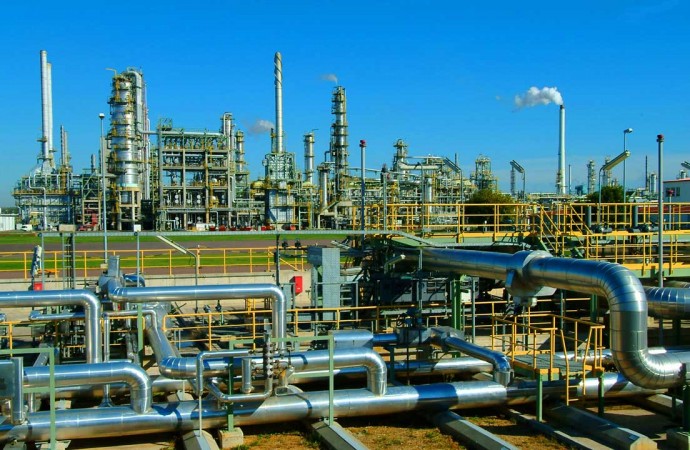
The Institute for Energy Security (IES) has urged Ghana to establish a predictable crude supply system for the Tema Oil Refinery (TOR). This recommendation aims to safeguard the refinery's recent return to operations. The IES warns that relying on irregular crude allocations could undermine TOR's ability to sustain its activities.
The energy think tank stated in a policy research paper that TOR's recent maintenance restored its physical capacity. However, sustained operations depend on securing adequate and reliable crude feedstock. Ghana has already provided negotiated crude allocations, including a reported 1 million barrels of Jubilee crude. The IES argues these ad hoc arrangements should not replace a formal Domestic Market Obligation (DMO) system.
This call fits into Ghana's broader economic strategy to enhance energy independence and reduce reliance on imported refined products. A functional TOR can stabilize fuel prices and conserve foreign exchange, which is crucial for Ghana's economic stability. The country's petroleum laws already provide a framework for such predictable supply arrangements, offering a clear path forward.
Section 71 of the Petroleum (Exploration and Production) Act, 2016 (Act 919), empowers the sector Minister. This section allows the Minister to require petroleum contractors to sell part of their crude entitlement. This provision is specifically designed to meet domestic supply needs. Regulation 32 of L.I. 2359, as amended by L.I. 2390, further details how this obligation should be calculated. It covers annual and monthly requirements, delivery arrangements, and pricing mechanisms.
The IES emphasized that TOR's return to operations makes activating these legal provisions consistently necessary. They argue against continued reliance on individual, discretionary allocations. TOR completed turnaround maintenance on its Crude Distillation Unit in October 2025. It then resumed refining operations in December of the same year. The refinery currently operates at about 28,000 barrels per stream day, against a nameplate capacity of 45,000 barrels. Further expansion is planned to increase this capacity.
The institute cautioned that restoring the refinery without ensuring adequate crude supplies could limit its expected benefits. These benefits include stabilizing the downstream petroleum sector. The IES cited Nigeria's experience with the Dangote refinery. That refinery sometimes received fewer crude cargoes than needed for efficient operations. This forced it to source additional crude from international markets using US dollars, exposing it to foreign exchange pressures.
Ghana must ensure that DMO allocations to TOR are linked to the refinery’s actual throughput requirements. These allocations should also be adjusted as its capacity expands. The IES warned against treating the domestic crude obligation as merely a symbolic policy measure. Inadequate volumes would defeat its purpose and expose domestic refiners to similar foreign exchange pressures.
The IES recommends that the government issue the 90-day notices required under Regulation 32. It also suggests establishing a recurring calendar-year system for domestic crude supply. Annual domestic supply requirements should be published and broken down into monthly allocations. This would provide producers and refiners greater certainty in their planning. Moving from discretionary crude allocations to a predictable supply system will protect the gains from TOR’s revival. It will also provide a stronger foundation for Ghana’s domestic refining ambitions, ensuring long-term operational stability and economic benefits.