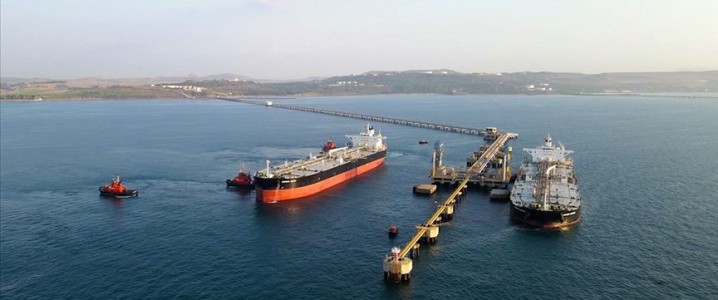
Commodity vessel traffic through the Strait of Hormuz significantly slowed on Wednesday. Only six commodity vessels transited the critical waterway on Tuesday, according to ship-tracking data from Kpler. This marks a sharp decline from nine crossings on Monday and is well below the 10-day average of 11 commodity ships.
The slowdown stems from heightened security concerns and uncertainty over Iran's control in the region. A cargo vessel was struck by an unknown projectile in the Strait of Hormuz early on Tuesday. This incident prompted operators to avoid the area, fearing further attacks and disruptions to their routes.
This development fits into a broader pattern of geopolitical instability affecting global trade and energy markets. The Strait of Hormuz is a crucial chokepoint for a significant portion of the world's oil supply. Disruptions here can have far-reaching effects on commodity prices and supply chains, impacting economies like Ghana's that rely on imported fuel and goods.
The United Kingdom Maritime Trade Operations (UKMTO) confirmed receiving a report of an incident involving a cargo vessel. This vessel was conducting an outbound transit of the Strait of Hormuz when it was struck. Such reports underscore the tangible risks faced by commercial shipping in the area.
The reduced traffic and increased uncertainty will likely keep global crude oil prices elevated. Prices extended their gains for a fourth consecutive day early on Wednesday. This trend could lead to higher fuel costs for consumers and businesses in Ghana. Decision-makers will closely monitor the situation for any escalation or de-escalation of tensions.
The U.S. Administration maintains that the Strait of Hormuz remains open for traffic. However, Iran insists on its claim that the chokepoint is closed. This conflicting rhetoric adds to the confusion and risk for shipping companies. Vessels have been observed meandering and making U-turns, unsure of safe passage.
The Strait of Hormuz is a narrow sea passage between the Persian Gulf and the Gulf of Oman. It is one of the world's most strategically important chokepoints. Roughly 20% of the world's petroleum and other liquids consumption passes through this strait. Any disruption directly impacts global energy security and prices.
For Ghana, a net importer of petroleum products, sustained high crude oil prices translate into higher pump prices. This affects transportation costs, manufacturing, and overall inflation. The Bank of Ghana and economic planners will need to factor this external pressure into their forecasts and policy decisions. The current crisis is already rewriting global LPG trade routes, indicating a lasting impact on commodity logistics.
The incident on Tuesday involved one empty crude oil supertanker and two smaller tankers moving into the Gulf. Two medium-range fuel tankers and a post-Panamax vessel transited outbound from Hormuz. This limited movement highlights the severe reduction in typical shipping volumes. The ongoing Middle East crisis continues to fuel price volatility, a concern for Ghanaian consumers and businesses.
The global economy, including Ghana's, remains highly sensitive to events in key shipping lanes. The Strait of Hormuz situation serves as a stark reminder of these vulnerabilities. Businesses and governments must prepare for potential supply chain disruptions and increased costs. Monitoring the geopolitical landscape in the Middle East will be crucial for economic stability.