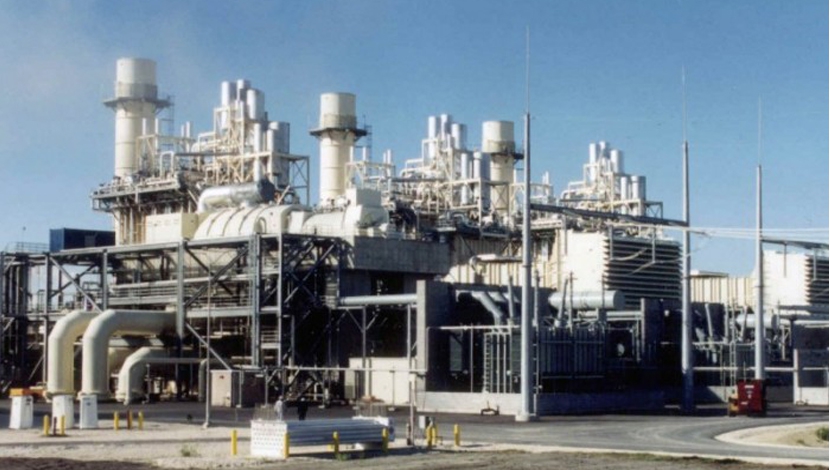
The Africa Sustainable Energy Centre (ASEC) has endorsed Ghana's proposed 1,200-megawatt (MW) state-owned combined-cycle gas-fired power plant. This endorsement comes with a strong warning that the government's renewed emphasis on gas must not hinder the nation's long-term green energy transition agenda.
ASEC's assessment of Ghana's 2026 Mid-Year Budget Review described the new plant as an important intervention. It will strengthen power supply, support industrial activity, and improve national energy security. The first 600 MW phase of the plant, located at Kafodzidzi-Abrobeano, is expected to be commissioned in 2028.
This development aligns with Ghana's broader economic strategy, which seeks reliable baseload power for sectors like mining and manufacturing. The government aims to support its 24-hour economy agenda. Gas-fired generation offers a transitional energy source, cleaner than light crude oil and more dispatchable than intermittent renewables.
The Finance Minister confirmed the project's viability through feasibility studies. Environmental, engineering, and permitting processes are also progressing. The government secured gas turbines directly from GE Vernova, saving between 35.00% and 45.00% compared to third-party procurement. This project is projected to lower electricity generation costs and reduce tariffs by 10.00% to 20.00%.
ASEC, however, cautioned that energy security and the green transition must advance together. Ghana risks widening the gap between its current energy mix and its 2030 target of 10.00% renewable energy if conventional generation expands too quickly. Currently, renewable energy contributes only about 2.00% of Ghana's electricity generation, far below the target.
Without stronger fiscal commitment, better policy coordination, and project financing, Ghana may continue to rely heavily on thermal generation. This could delay its green transition despite stated goals. The 2026 Mid-Year Review includes some green measures, such as 35 mini-grids and 750 Solar Home Systems. It also mentions a Renewable Energy Authority Bill and a Green Transition Framework.
ASEC believes these measures do not yet represent the scale of investment needed to move Ghana significantly towards its renewable energy target. The Centre welcomed the renaming of the Ministry of Energy to the Ministry of Energy and Green Transition. However, it found limited evidence of large-scale investments in renewable energy, energy efficiency, and other low-carbon technologies within the budget.
This highlights Ghana's energy policy dilemma: the need for cheaper, reliable electricity today versus avoiding over-reliance on fossil fuels. The government's gas-to-power strategy has already delivered cost savings. Ghana increased gas supply for power generation by 35 million standard cubic feet per day by end-June 2026. This brought total supply to about 490 million standard cubic feet per day.
By replacing light crude oil with natural gas, the government saved GHS 3.08 billion, equivalent to US$268.50 million, in fuel costs during the first half of 2026. ASEC's position is that gas should be a transition fuel, not the final destination. Ghana's energy security strategy must be matched by a credible renewable energy investment pipeline and clearer financing mechanisms.