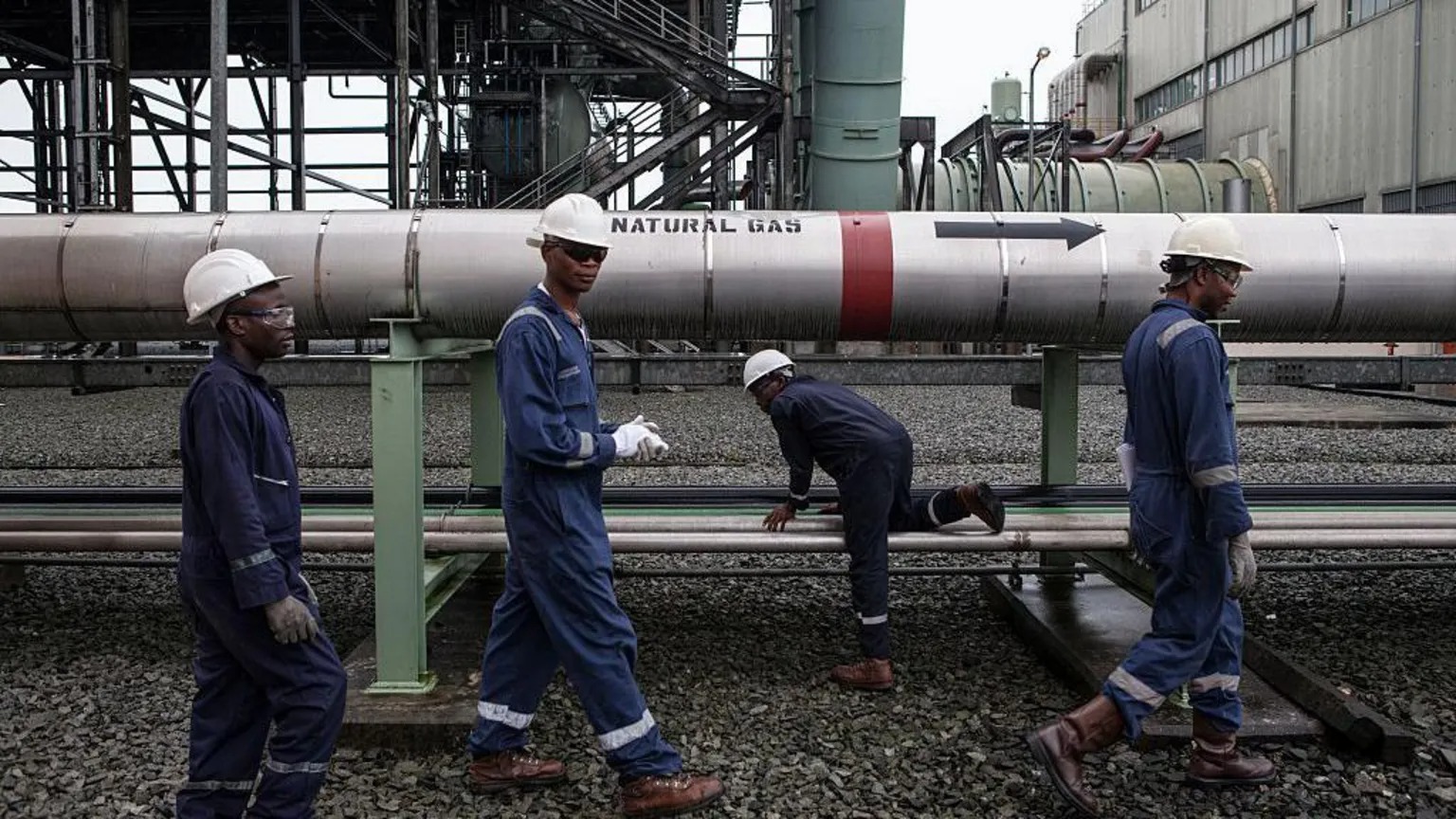
West African leaders have formally endorsed the Nigeria-Morocco Atlantic Gas Pipeline, a monumental energy infrastructure project. This vast 6,000km pipeline, estimated to cost $25 billion, will transport Nigerian gas along the Atlantic coast of 14 African nations to Morocco. From Morocco, it will link into Europe's existing gas network via Spain, with construction projected to commence in 2028.
This project signifies a crucial shift from current energy models. Historically, gas extracted from African nations is refined abroad and then shipped back to African countries at significantly higher prices. Energy expert Charles Majomi stated this practice devalues the continent's rich natural resources. The new pipeline aims to reverse this trend, fostering regional industrial growth and boosting Africa's influence on the international stage.
The pipeline's approval follows a decade of negotiations involving over a dozen countries. This agreement establishes the legal and governance framework, clearing a major political hurdle before financing and construction decisions. The project is expected to deliver 30 billion cubic metres of gas per year, serving 400 million consumers. This makes it one of the world's longest offshore gas pipelines, poised to reshape West Africa's energy landscape.
Sierra Leone's President Julius Maada Bio, current head of the West African regional bloc Ecowas, confirmed the sign-off. He quipped, "Don’t be surprised when the gas comes your way," following the ceremony in Freetown. Professor Ganiyat Adejoke Adesina-Uthman of the National Open University of Nigeria highlighted the pipeline's potential. She noted it would open Africa as a corridor to international markets beyond energy security. She added it symbolises what Africa can achieve through collaboration.
The project will be built in phases, with initial segments focusing on the Morocco-Mauritania-Senegal axis. Subsequent phases will connect to the Ghana-Côte d’Ivoire axis, with Nigeria providing the gas in the final connection. This phased approach addresses concerns about Nigeria being a potential stumbling block. Unlike the Trans-Saharan Gas Pipeline, this Atlantic route largely avoids insecure regions, though offshore construction increases costs.
Feasibility studies and front-end engineering design studies are complete, and the pipeline route is largely agreed upon. Financing remains a significant challenge, with the $25 billion cost potentially rising due to inflation. The success of this large-scale project also depends on all 13 member nations, plus the disputed territory of Western Sahara, protecting the infrastructure from attacks. Charles Majomi suggested leveraging drones and aerial monitoring, alongside community integration, to secure the long gas pipelines.
Nigeria's state oil firm and Morocco's national mining body are jointly leading the project. Regional institutions like Ecowas, the Islamic Development Bank, and the Opec Fund for International Development support the initiative. Beyond exports to Europe, the pipeline intends to supply natural gas to African countries. This will support new power generation, fertiliser plants, petrochemical industries, and manufacturing along the Atlantic coast. For Nigeria, it offers an opportunity to monetise its vast gas reserves and strengthen economic ties across West and North Africa.
Despite strong political momentum, significant obstacles persist. Securing financing, protecting the pipeline route, and ensuring political stability across participating countries are major challenges. Competition from other export routes, including liquefied natural gas (LNG) projects and the Nigeria-Algeria Trans-Saharan Gas Pipeline, also exists. Questions about future European gas demand, as the continent transitions to renewable energy, add another layer of complexity. Professor Adesina-Uthman remains optimistic, stating, "Nigeria has the gas and there’s market access from Morocco to Europe. It’s not just extracting energy, it will lead to access to clean energy for many countries with Morocco as a gateway." She believes it will create industries, job opportunities, and ultimately a global market, fostering regional integration.