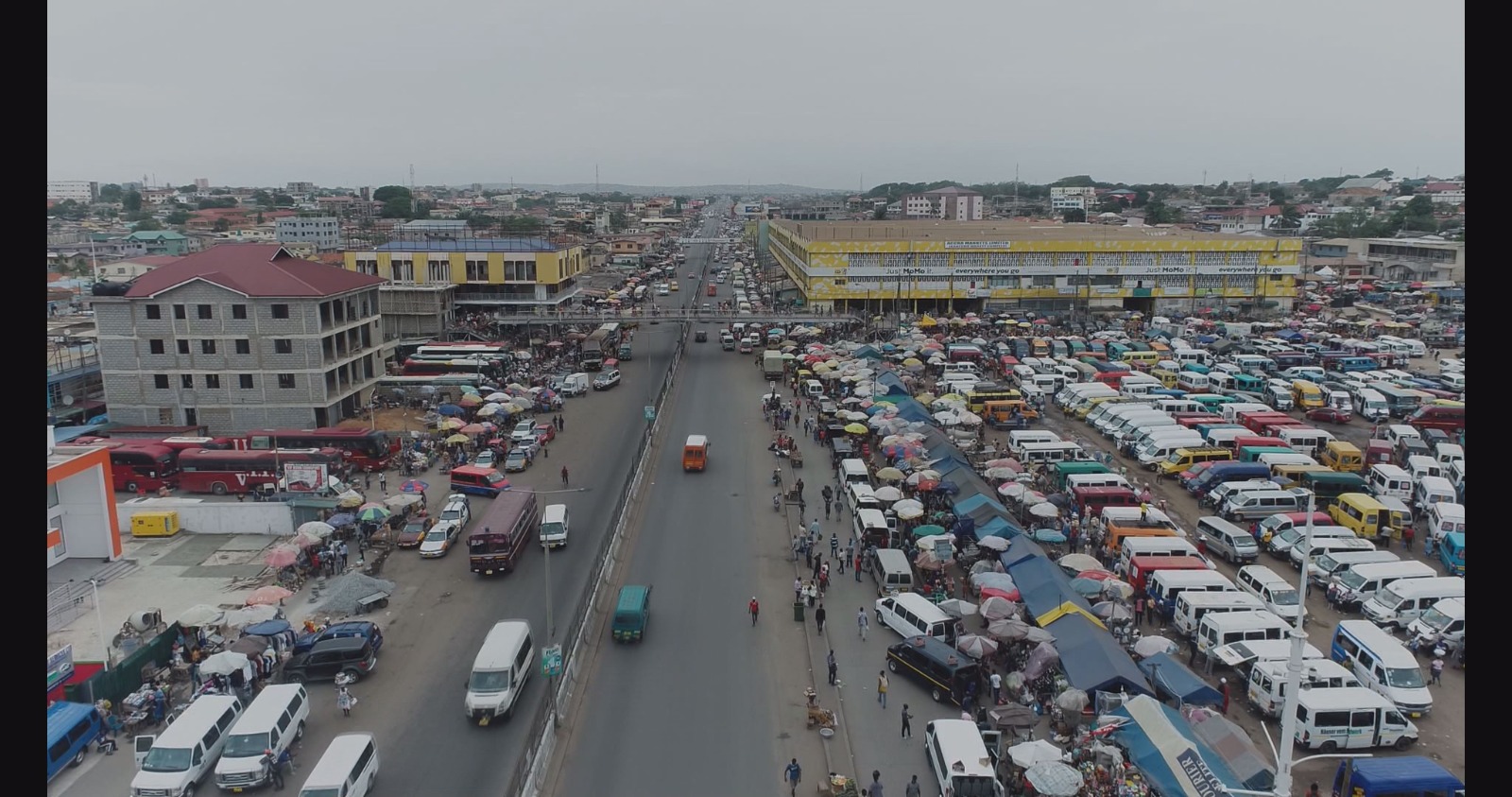
The Ghana Hydrological Authority will close sections of Kaneshie Road for major drainage construction, commencing in August 2026. This critical infrastructure project, part of the Greater Accra Resilient and Integrated Development (GARID) initiative, aims to construct a 10-meter-wide drainage channel along the Accra Academy–Mpamprom–First Light corridor. The works are designed to significantly reduce flooding and prevent casualties in the flood-prone Kaneshie area.
The extensive construction will necessitate the complete closure of Kaneshie Road at specific points where the drainage is being built. Motorists travelling from Mpamprom to First Light will be provided with diversions to help manage traffic congestion. The project was initially slated for May or June 2026 but was postponed to August due to the rainy season, ensuring optimal conditions for the large-scale excavation and construction.
This development is crucial for Ghana's economic stability, particularly in Accra, where recurrent flooding causes substantial damage to property and disrupts commercial activities. The Kaneshie area is a major commercial hub, and its vulnerability to floods has historically led to significant economic losses. Investing in resilient infrastructure like this drainage system is vital for protecting livelihoods and ensuring the smooth flow of goods and services within the capital.
Richard Amekor, Head of Drainage at the Ghana Hydrological Authority, confirmed the project's scope and timeline. He stated that the authority is actively engaging key stakeholders, including National Security, the Department of Urban Roads, market representatives, and traditional leaders. These discussions are crucial for coordinating efforts and minimizing disruption to the thousands of commuters and businesses affected by the road closure.
The immediate implication of this project will be considerable traffic disruption and potential delays for commuters and businesses operating in the Kaneshie area. Decision-makers will closely monitor the effectiveness of traffic management plans and the project's adherence to its schedule. The successful completion of this drainage system will be a significant step towards enhancing urban resilience and protecting Accra's economic arteries from the devastating effects of flooding.
Furthermore, the Ghana Hydrological Authority is preparing to relocate a Ghana Water Company water line along the Korle Bu Road. This relocation is necessary to facilitate the construction of another drainage channel in that area, with excavation works expected to begin soon. Deliberations are also ongoing regarding the construction of the Kaneshie footbridge, with further details to be communicated as discussions progress. These interconnected projects highlight a broader governmental effort to upgrade Accra's infrastructure. The total investment in these drainage projects is estimated to be in the tens of millions of Ghana Cedis, reflecting the scale of the challenge and the commitment to long-term solutions. The GARID project itself is a multi-year initiative aimed at improving flood resilience and solid waste management in the Greater Accra Region, with significant funding from international partners. The successful execution of these works will serve as a benchmark for future urban development projects in Ghana.