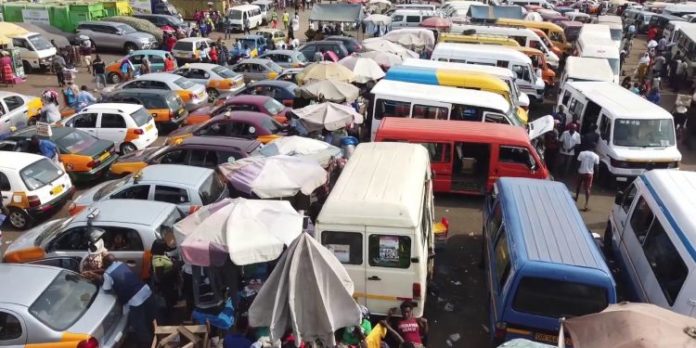
Ghanaian transport unions have suspended their planned 30% increase in transport fares. This decision follows high-level discussions with the Ministry of Transport, providing temporary relief for commuters. The suspension comes just before the next petroleum products pricing window on Friday.
The transport operators had expressed significant concerns over rising fuel prices. They also highlighted increasing operating costs, which they stated were putting immense pressure on their businesses. This planned fare adjustment was initially expected to take effect before Friday's fuel price review.
This development fits into Ghana's broader economic narrative of managing inflation and fuel price volatility. Fuel prices directly impact the cost of living and doing business across the country. The government frequently faces pressure to stabilize these costs to prevent widespread economic hardship. Previous instances of fuel price hikes have often led to similar fare adjustments and public outcry.
Samuel Amoah, Deputy Public Relations Officer of the Ghana Private Road Transport Union (GPRTU), confirmed the suspension. He stated the unions agreed to halt the fare adjustment after government assurances regarding measures to reduce fuel prices. Mr. Amoah revealed this on Tuesday, July 28, 2026, after a closed-door meeting. He urged the government to act swiftly to ease the burden on commercial drivers.
The immediate implication is that commuters will not face higher transport costs in the short term. However, the situation remains precarious, as operators are concerned about potential fuel price increases in the upcoming pricing window. If fuel prices rise again, the unions have warned they will reopen discussions with the government. This could lead to renewed calls for fare adjustments, impacting household budgets and overall economic stability. Decision-makers will closely watch global oil prices and domestic fuel price deregulation mechanisms.
The Ministry officials acknowledged the transport operators' concerns during the meeting. They pledged to work towards lowering fuel prices, indicating a commitment to addressing the root cause of the fare hike. This government intervention aims to prevent a ripple effect of increased transport costs on other goods and services. Such increases could further fuel inflation, which the Bank of Ghana is actively working to control.
Transport operators, despite the suspension, remain worried about the possibility of another fuel price increase. Mr. Amoah cautioned that drivers might not be able to absorb additional costs indefinitely. The unions emphasized their commitment to dialogue, hoping government intervention will stabilize fuel prices. This stability is crucial for both transport operators and the commuting public. The government's ability to deliver on its promise will be a key factor in preventing future fare hikes.
The planned 30% fare increase would have significantly impacted the daily expenses of millions of Ghanaians. Public transport is a primary mode of commuting for a large segment of the population. Any increase in fares directly affects disposable income and can lead to broader economic discontent. The government's swift action highlights the sensitivity of transport costs in the national economy.
This situation underscores the ongoing challenge of balancing the economic viability of transport businesses with the affordability of services for citizens. The next few weeks, particularly after Friday's fuel price review, will be critical. All stakeholders will be observing the government's efforts to manage fuel prices and maintain economic stability.