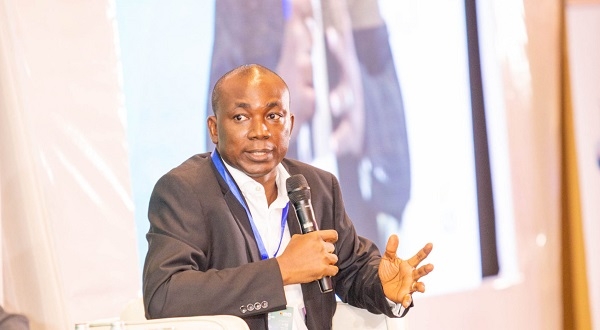
Professor Godfred Alufar Bokpin, a distinguished Economist and Professor of Finance, has declared that Ghana's economic recovery must be measured by improved living standards for its citizens. This assessment should take precedence over mere gains in debt sustainability, inflation, or other macroeconomic indicators.
Professor Bokpin made these remarks at the Ghana National Chamber of Commerce and Industry (GNCCI) Mid-Year Budget Review Seminar in Accra on July 29. He acknowledged Ghana's progress in restoring macroeconomic stability. However, he cautioned that many Ghanaians have yet to experience the benefits through better jobs, improved infrastructure, or quality public services.
This perspective comes as Ghana records improvements in several key economic indicators. Inflation rose slightly to 5.3% in June 2026. The economy expanded by 6.4% in the first quarter of 2026, following 6% growth in 2025. The country has also restored debt sustainability ahead of schedule, moving from debt distress to a moderate risk classification.
Professor Bokpin stated, "Macroeconomic stability is a means to an end. The end is economic transformation." He argued that these gains alone do not reflect the true state of the economy if they fail to improve the lives of ordinary citizens. He emphasized that the true test of economic recovery is whether people can find decent jobs, access reliable public services, and experience meaningful improvements in their quality of life.
He expressed concern that recent economic growth has not generated enough formal employment. This is particularly critical for the growing number of young people entering the labour market each year. Data from the Ghana Statistical Service shows the national unemployment rate stood at 13% in the third quarter of 2025. Youth unemployment among persons aged 15 to 24 reached 32.4% during the same period. Approximately 1.34 million young people in this age group were not in employment, education, or training.
Professor Bokpin also highlighted the persistence of social challenges despite the improving macroeconomic outlook. He noted that food insecurity remains high. Ghana Statistical Service data estimates that 38.1% of households experienced food insecurity in the third quarter of 2025. These figures underscore the disconnect between headline economic numbers and daily realities for many Ghanaians.
He urged the government to channel the fiscal space created through debt restructuring and ongoing fiscal reforms into sectors that directly stimulate economic growth and improve livelihoods. Investments in infrastructure, education, healthcare, and productive industries would have a greater impact on economic transformation. This approach is more effective than focusing solely on reducing debt and inflation.
Professor Bokpin stressed the need for fiscal and monetary policies that support the real sector of the economy. This is where jobs, incomes, and wealth are created. He argued that sustainable growth must translate into tangible benefits for citizens. Ghana has transitioned from an International Monetary Fund-supported programme to a Policy Coordination Instrument. However, the country still faces significant development and financing needs. Policymakers must prioritize policies that deliver measurable improvements in the welfare of Ghanaians.