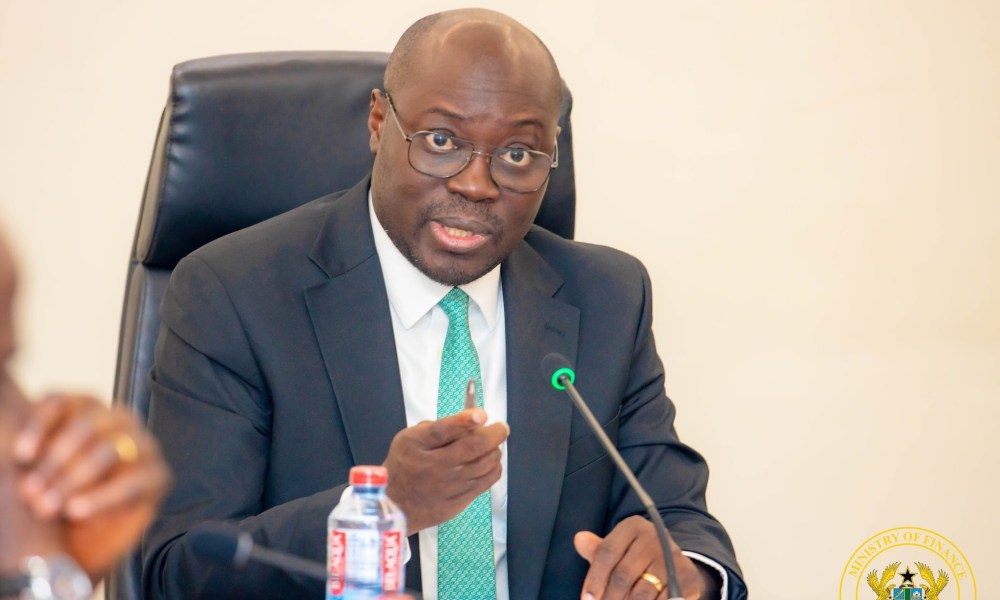
Approximately 950,000 Ghanaians moved out of multidimensional poverty within one year, according to Finance Minister Dr. Cassiel Ato Forson. This achievement marks a significant social gain for the Ghanaian economy.
Dr. Forson presented these figures during the 2026 Mid-Year Fiscal Policy Review in Parliament. He stated that multidimensional poverty, which measures deprivation across education, health, living conditions, and employment, decreased from 24.9% in the third quarter of 2024 to 21.9% in the same period of 2025. This 3 percentage point reduction directly translates to nearly one million people experiencing improved living standards.
This positive trend aligns with Ghana's broader economic recovery efforts and commitment to social development. The reduction in poverty indicators suggests that government policies and economic activities are beginning to yield tangible benefits for a substantial portion of the population. It also reflects a potential improvement in access to essential services and opportunities for vulnerable households.
Finance Minister Forson emphasized the human impact of these statistics. He noted that behind the numbers are hundreds of thousands of families now enjoying better living conditions and greater hope for their future. This statement underscores the government's focus on improving the welfare of its citizens.
The improved poverty figures are crucial for Ghana's economic outlook. They indicate a potential increase in consumer spending and a more stable social environment, which can attract further investment. Decision-makers and financial markets will closely monitor whether this positive trajectory can be sustained amidst ongoing economic challenges and global uncertainties. Continued efforts in job creation and social protection programs will be vital.
In addition to the poverty reduction, the Finance Minister also reported improvements in the labour market. The unemployment rate declined from 13.7% in the first three quarters of 2024 to 12.8% during the same period in 2025. This nearly 1 percentage point drop in unemployment further supports the narrative of improving economic conditions and increased opportunities for Ghanaians.
The decline in multidimensional poverty and unemployment suggests that Ghana's economy is creating more inclusive growth. This kind of growth ensures that the benefits of economic expansion are shared more broadly across society. It also helps to reduce income inequality and foster social cohesion, which are critical for long-term national development.
The government's commitment to addressing poverty through various interventions appears to be yielding results. These interventions likely include social safety nets, educational initiatives, and healthcare improvements. Sustaining this momentum will require continued strategic planning and effective implementation of economic policies.
The 2026 Mid-Year Fiscal Policy Review provides a critical assessment of the nation's economic health. The reported gains in poverty reduction and employment are key indicators of progress. Future policy decisions will need to build on these successes to ensure even more Ghanaians can escape poverty and achieve better living standards.