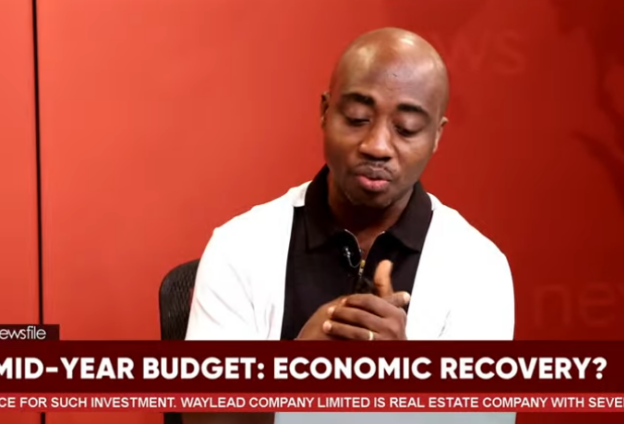
Ghana’s government underspent its capital expenditure budget by 40 percent during the mid-year review period. This significant shortfall raises concerns about the timely implementation of major development projects across the country. The revelation comes from Yaw Appiah Lartey, a partner at Deloitte, who highlighted the issue on Saturday, July 25.
The substantial underspend means that many planned infrastructure projects, including roads and other critical initiatives, may face delays. This situation could hinder Ghana's economic progress and the delivery of essential services to its citizens. Mr. Lartey emphasized that despite some positive outcomes in other areas, the capital spending deficit remains a major concern for the nation's development trajectory.
This performance fits into a broader narrative of Ghana's ongoing efforts to manage public finances while stimulating economic growth. The government has been working to improve fiscal discipline and address long-standing issues like payroll inefficiencies. However, challenges in revenue mobilization and efficient project execution continue to impact the country's financial health and development agenda. The 40 percent underspend on capital projects contrasts with the government's ambitious development plans.
Yaw Appiah Lartey stated that the government had budgeted significantly for capital projects but failed to meet its spending targets. He questioned the progress of the ambitious capital programme announced last year. Mr. Lartey also acknowledged positive developments, such as savings of GHS 3.4 billion from improved payroll management and GHS 6.9 billion from lower interest payments due to cheaper borrowing conditions. These savings, however, do not offset the impact of the capital expenditure shortfall.
The implications of this underspend are far-reaching. Delays in infrastructure projects can lead to increased costs and reduced economic productivity. It also raises questions about the government's capacity to execute its development agenda effectively. Decision-makers will need to address the root causes of this underspending, which could include issues with project planning, procurement, or funding disbursement. Future budget allocations and project timelines will likely be scrutinized more closely.
Mr. Lartey welcomed the government's new approach of securing funding arrangements before starting major projects. He described this as a positive shift that could prevent projects from being abandoned midway due to financing challenges. Historically, some capital projects have suffered because construction began without guaranteed funding, leading to delays and cost pressures. This new approach aims to ensure project continuity and reduce financial risks.
Despite these efforts, revenue mobilization remains a critical challenge for the government. Mr. Lartey noted that while some expenditure areas were controlled, revenue collection needs significant improvement. Enhanced revenue generation is essential for the government to finance its programs and deliver the infrastructure that citizens expect. The ability to increase tax compliance and broaden the tax base will be crucial for future capital project funding.
The overall programme expenditure was projected at GHS 158 billion for the first quarter, but actual expenditure resulted in an underspend of about 20 percent. This broader underspend indicates systemic issues beyond just capital projects. Addressing these financial management challenges will be key to Ghana's sustained economic development and its ability to meet its long-term growth objectives. The government must balance fiscal prudence with effective project implementation to achieve its goals.