Ghana’s government underspent its first-half budget by GHS 35.6 billion, missing its expenditure target by 20.60%. This substantial shortfall raises serious questions about the nation’s budget credibility and its commitment to economic development.
The government had planned to spend GHS 172.54 billion during the first six months of 2026. However, actual spending reached only GHS 136.94 billion. This significant gap suggests that stronger fiscal numbers, which show less spending, might hide problems for growth if important projects are delayed. It also affects the ability to improve infrastructure and support economic recovery.
This situation comes as Ghana works hard to regain trust in its financial management after years of economic difficulties. The country aims to reduce its debt and improve its financial health. However, achieving this by cutting spending on vital capital projects could slow down long-term economic growth. Such delays could also hinder job creation and overall national progress.
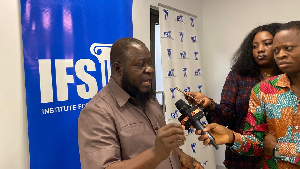
Dr. Said Boakye, Acting Executive Director of the Institute for Fiscal Studies (IFS), highlighted these concerns. He stated, “The considerable underspending in the first half of 2026 relative to budget plan not only undermined the budget’s credibility but more importantly it also left much to be desired in terms of growth and development of the country.” This statement underscores the critical difference between simply spending less and spending effectively.
The implications are far-reaching for Ghana’s economy. Businesses and investors rely on the government’s budget as a guide for future economic activity. Large differences between planned and actual spending make the budget less reliable. This uncertainty can make businesses hesitant to invest or expand, affecting private sector growth. The IFS is urging the government to improve spending execution in the second half of the year.
However, accelerating spending too quickly could lead to new problems like poor project selection or difficulties in managing cash. Continued underspending, on the other hand, would deepen worries that the government is achieving financial stability by postponing essential investments and payments. This creates a difficult balancing act for policymakers.
The IFS also questioned the government’s handling of financing resources during this period. Dr. Boakye criticized the accumulation of funds in what he called a “second fund.” He argued this approach deviated from the approved budget’s financing framework. This practice complicated spending on crucial items, including capital expenditure and various other payments.
This criticism moves the discussion beyond just the amount of money saved to how public funds are managed. For a government facing tight financial limits, decisions about how to allocate cash have major effects across the economy. While building up financial reserves might improve liquidity, it can harm the private sector if contractors and suppliers remain unpaid. This can force companies to delay investments, postpone payments to their workers, and reduce their overall business activities.
Persistent delays in public investments, such as roads, energy, and schools, can weaken the foundations for medium-term growth. These projects are vital for creating jobs and improving the country’s ability to produce goods and services. The government must find a way to meet its fiscal targets without sacrificing the long-term health of the economy. This requires careful planning and transparent execution of the budget.