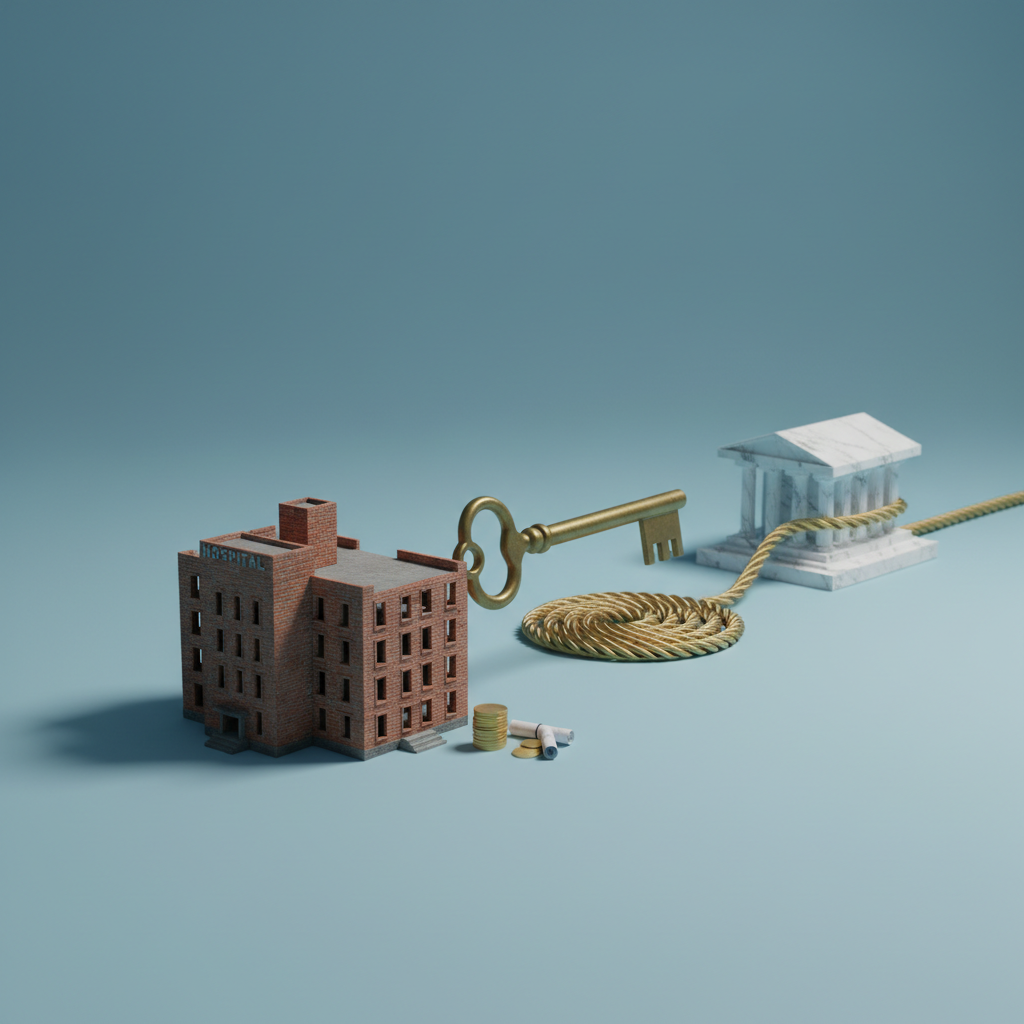
Minority members of Parliament's Local Government and Rural Development Committee have urged the government to reallocate funds. They propose redirecting money meant for 24-Hour Market construction towards completing stalled Agenda 111 hospital projects. The call aims to address critical healthcare infrastructure gaps and ensure efficient use of public funds.
Francis Asenso-Boakye, the Committee's Ranking Member and Bantama MP, argues that many districts already have underutilised markets. Constructing new 24-Hour Markets in these areas would be an inefficient use of Ghana's limited resources. He believes community needs should guide development priorities, especially when vital health infrastructure remains unfinished.
This proposal happens as Ghana faces ongoing fiscal challenges and pressure to complete key development projects. The Agenda 111 initiative promised 111 district hospitals and involves significant public investment. Delays in its completion have drawn public scrutiny and highlight the strain on government finances. Efficient resource allocation is crucial for Ghana's economic stability and public service delivery.
Mr. Asenso-Boakye stated, "As District Assembly officials and political actors, you are supposed to build 24-Hour Markets but I have realised that in many districts, they do not really need the 24-Hour Markets because there are existing markets already which are underutilised." He emphasized aligning investments with immediate community needs. This ensures better public service delivery and achieves value for money.
The government must now consider this recommendation. Reallocating these funds could accelerate the completion of critical healthcare facilities, improving public health outcomes. This decision would also signal a commitment to financial prudence and responsive governance. Investors and the public will watch closely for the government's response to this call for a shift in spending priorities.
The Agenda 111 project, launched in 2020, aims to provide accessible healthcare across all districts. Its total cost was initially estimated at GHS 1.2 billion for the construction of 101 district hospitals, six regional hospitals, and two national infectious disease centres. Subsequent reports indicated cost escalations and delays. Redirecting funds could inject much-needed capital to resume and complete these crucial projects.
Previous government interventions have included allocating GHS 450 million for flood control measures. However, the current financial landscape demands even greater scrutiny of public spending. Ensuring every cedi contributes to essential services like healthcare is paramount. The debate reflects a broader discussion on Ghana's development strategy and how best to manage its public finances.
The move would also address calls for improved public accountability and transparency in project execution. Prioritizing health infrastructure over potentially redundant market facilities demonstrates a focus on basic welfare. Such a decision could boost public confidence in the government's ability to deliver on its development promises. It particularly pertains to the health sector which affects all citizens.