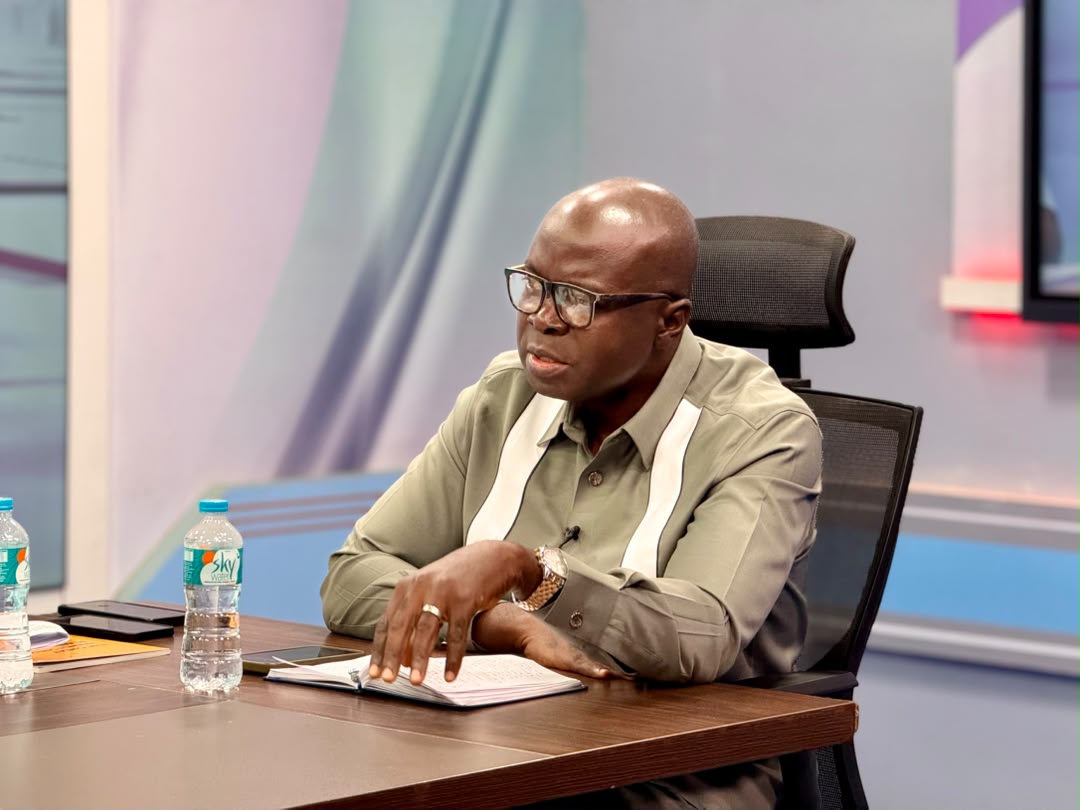
Member of Parliament for Manso Nkwanta, Tweneboa Kodua Fokuo, has challenged the government's 2026 Mid-Year Budget Review. He argues that the positive economic figures presented by Finance Minister Dr. Cassiel Ato Forson do not reflect the everyday experiences of many Ghanaians. Mr. Fokuo made these remarks during a budget discussion on Saturday, July 25.
Mr. Fokuo stated that the government must move beyond presenting statistics. It needs to demonstrate how its policies have improved the lives of ordinary citizens. He believes the success of government programmes should be measured by jobs created and their impact on reducing unemployment. Ghana has an estimated employable population of 5.3 million people. About 2 million of these individuals are currently unemployed.
This critique comes as Ghana navigates a complex economic landscape. The country aims to stabilize its finances while addressing persistent issues like job creation and economic diversification. The government's focus on macroeconomic indicators often contrasts with the public's experience of living costs and employment opportunities. This disparity frequently sparks debate among policymakers and the public.
Mr. Fokuo urged the Finance Minister to provide clear evidence of employment opportunities generated. He specifically mentioned flagship initiatives like the proposed 24-hour economy policy and apprenticeship programmes. He stressed that budget statements should include measurable results showing real improvements in people's living conditions, not just projections.
The lawmaker also questioned the sustainability of the country's reported economic growth. He argued that much of the expansion is driven by sectors vulnerable to external factors. He cited the mining industry, particularly gold production, as an example. Ghana's heavy reliance on gold exports makes the economy susceptible to changes in global commodity prices. This could undermine future growth if stronger productive sectors are not developed.
Mr. Fokuo therefore urged the government to focus on long-term structural reforms. These reforms should strengthen the economy and reduce its dependence on natural resource exports. He stated, “The Minister should explain the structural measures being implemented to support the economy rather than relying on temporary gains.”
His remarks follow Dr. Cassiel Ato Forson's presentation of the 2026 Mid-Year Budget Review. The Finance Minister highlighted improvements in several macroeconomic indicators. Dr. Forson also announced that about 950,000 Ghanaians moved out of multidimensional poverty between 2024 and 2025. He attributed this progress to better economic performance and improvements in education, healthcare, employment, and overall living standards.
Mr. Fokuo, however, insists that the government must provide tangible evidence. This evidence should show that these reported gains are translating into meaningful opportunities for citizens across the country. The debate underscores the ongoing challenge for the government to reconcile official economic data with the lived realities of its citizens. Future budget reviews will likely face similar scrutiny regarding their real-world impact.