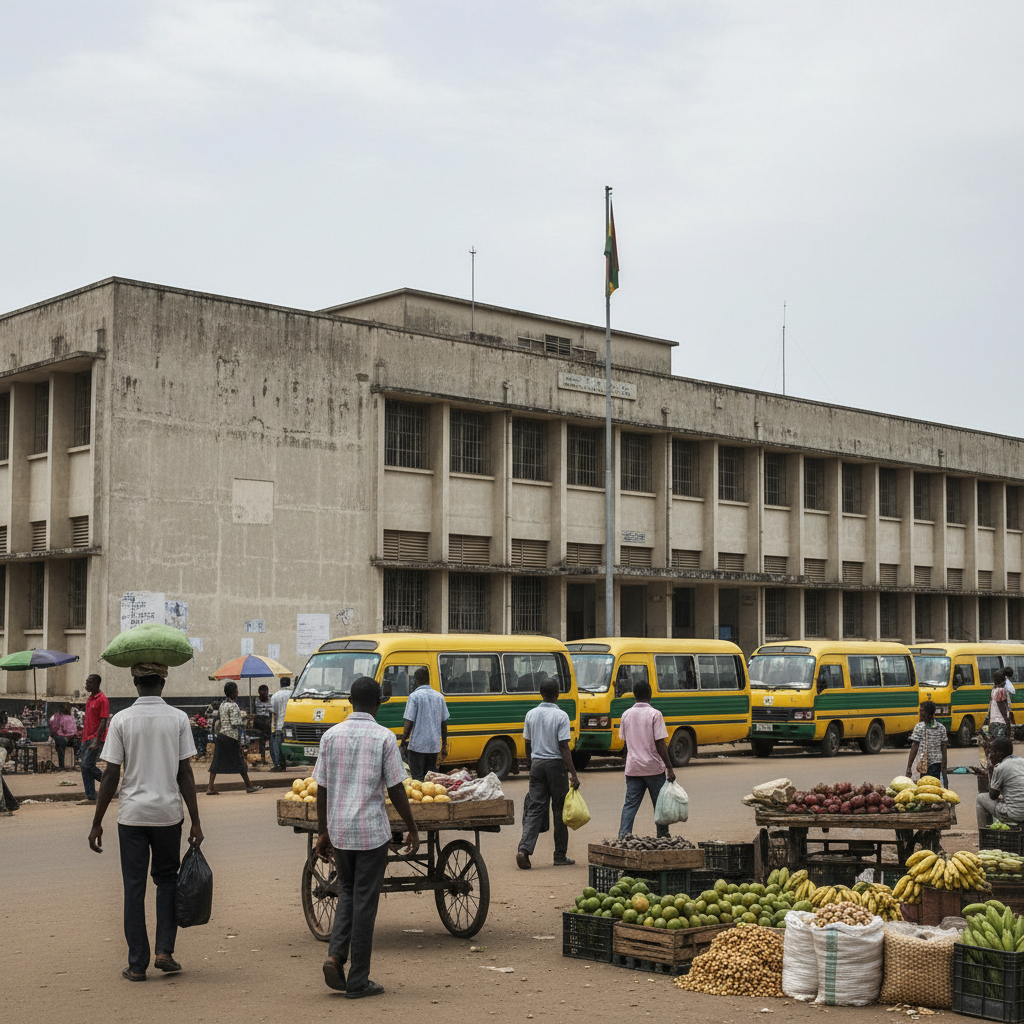
Burkina Faso officially broke off diplomatic relations with France on Friday, June 26, 2026. This decision has led France to consider implementing reciprocal measures against the West African nation.
Burkina Faso cited worsening ties over security, national sovereignty, and alleged foreign interference as reasons for severing links. The Burkinabe government accused France of supporting “subversive networks” and “terrorists”. France has previously denied these accusations. This diplomatic rupture affects French nationals in Burkina Faso, who have been urged to exercise heightened vigilance.
This move is part of a growing trend in West Africa where former French colonies are re-evaluating their relationships with Paris. Data from the African Development Bank shows a 15% increase in domestic advocacy for greater autonomy from external influence across the Sahel region over the last five years. Burkina Faso, like its neighbor Mali, has been grappling with a severe Islamist insurgency. This conflict has displaced millions and claimed thousands of lives over the past decade. The breakdown in diplomatic relations may impact regional security efforts and stability, potentially influencing foreign aid and military cooperation.
The French foreign ministry expressed regret over Burkina Faso's action. A statement called the decision “hostile and unfounded,” illustrating “the worrying drift of the Burkinabe authorities.” Burkina Faso Communications Minister Gilbert Ouedraogo confirmed the decision took effect on Friday. His remarks underscore deep-seated grievances regarding France’s role in the country. This sentiment aligns with increasing public discourse in some African nations regarding the legacy of colonialism and demands for greater self-determination.
Looking ahead, the immediate implications involve potential economic and security repercussions for both nations. France’s consideration of reciprocal measures could include cuts in aid, trade restrictions, or changes in diplomatic presence. This diplomatic breakdown might also lead to shifts in regional security partnerships, potentially altering the dynamics of the fight against Islamist extremism. Observers will closely watch the economic impact on Burkina Faso and the broader geopolitical consequences for West Africa. This situation highlights the evolving landscape of international relations on the continent.