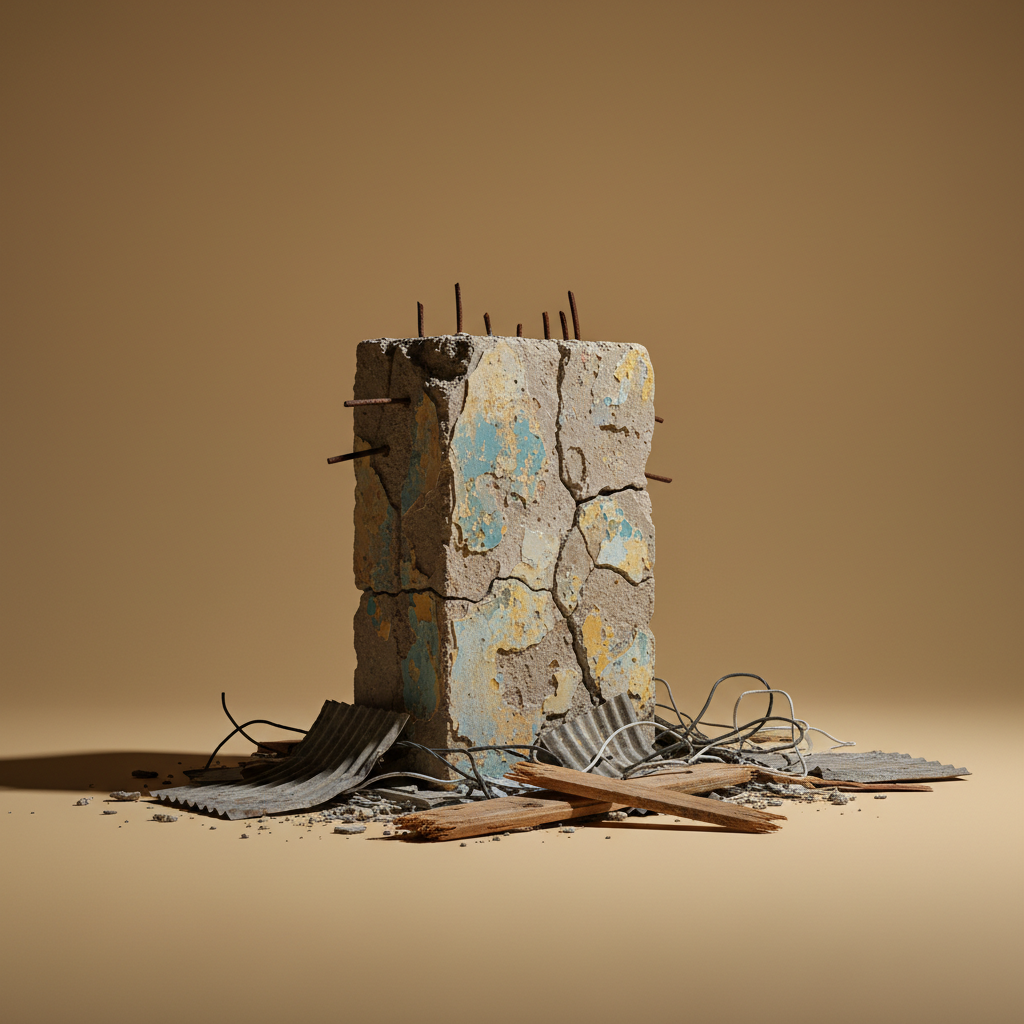
A joint security task force, spearheaded by the Kumasi Metropolitan Assembly (KMA), has demolished unauthorized structures around the Baba Yara Sports Stadium. This decisive action, carried out on Friday, July 26, 2026, aims to restore order and significantly improve sanitation near the national sports facility.
The operation specifically targeted illegal containers, pubs, food joints, kiosks, and various makeshift structures. These had been erected without official authorization, contributing to congestion and sanitation challenges in the stadium's immediate vicinity. The KMA had previously issued multiple eviction notices to occupants, providing ample time for voluntary relocation.
This demolition forms part of a broader KMA strategy to decongest urban areas and enhance environmental sanitation across Kumasi. Such efforts are crucial for maintaining public health and preserving the integrity of key public infrastructure like the Baba Yara Sports Stadium. The presence of unauthorized structures often impedes access and creates unhygienic conditions, impacting residents and visitors alike.
Henrietta Afia Aboagye, Public Relations Officer of the KMA, confirmed that the Assembly followed due process. She stated, "Our first eviction notice was issued on January 19. The second followed in April, while the final notice was served in June." She emphasized that occupants had approximately six months to comply. Their failure to do so left the Assembly with no alternative but to enforce the directive through demolition.
The KMA's actions reflect a growing commitment by municipal authorities to enforce urban planning regulations. This enforcement is vital for sustainable urban development and ensuring public spaces remain functional and safe. The exercise successfully cleared the stadium's surroundings, creating more space and enhancing the overall cleanliness of the enclave.
The removal of these structures is expected to have several implications for the local economy and urban landscape. It will likely displace informal traders and businesses, prompting them to seek new locations or alternative livelihoods. This could lead to temporary economic disruption for those directly affected, but it also presents an opportunity for more organized and regulated commercial activities in the long term.
Furthermore, the improved sanitation and decongestion around the stadium could attract more patrons to events, potentially boosting revenue for the facility and legitimate businesses. Decision-makers will need to monitor the relocation of displaced vendors and consider support mechanisms. This ensures a smooth transition and minimizes adverse economic impacts on vulnerable populations.
The KMA's consistent enforcement of regulations, as demonstrated by this action, signals a firm stance against illegal encroachments. This approach is consistent with broader government initiatives to formalize the informal sector and improve urban infrastructure. Future actions by the KMA will likely focus on preventing new unauthorized structures from emerging and maintaining the cleared areas.
This operation underscores the challenges faced by urban authorities in balancing economic activity with regulatory compliance and public welfare. The KMA's commitment to due process, including multiple eviction notices, highlights an effort to manage these complex issues responsibly. The long-term success will depend on sustained enforcement and effective urban planning.