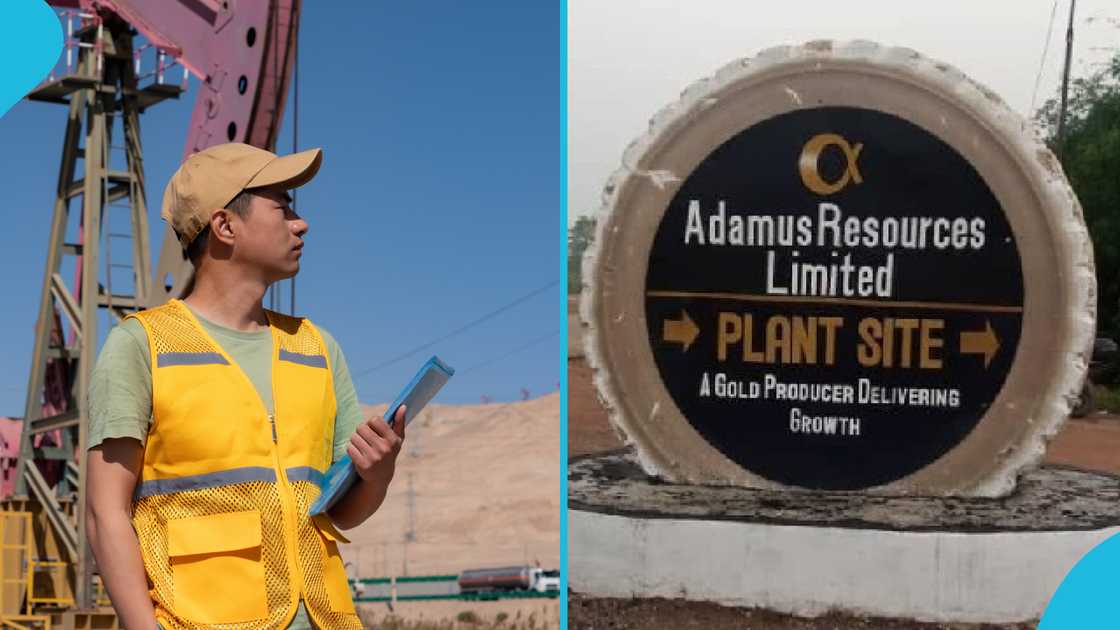
A group of Chinese nationals reportedly arrived at the Adamus Resources Limited concession in western Ghana. This event occurred days after the government maintained its revocation of three mining leases belonging to Adamus. The individuals reportedly entered the Salman concession in the Ellembelle District. They were recorded as officials connected to the World Gold Council, according to NorvanReports.
The precise status of these individuals remains unconfirmed. It is also unclear who arranged the visit and whether the Minerals Commission authorized their access. These questions are crucial while ownership and operational rights for the concession remain contested. The Salman concession is central to a regulatory dispute ongoing for several months.
The government revoked Adamus Resources' Akango, Salman, and Nkroful leases in April. The Minerals Commission stated that inspections revealed systematic breaches of mining legislation. These breaches included unauthorized assignment of mineral rights to third parties. Operations outside approved mining areas were also cited. The Commission further alleged that Chinese nationals without required permits were involved in activities at Akango and Salman.
At Salman, Chief Executive Isaac Tandoh reported investigators observed eight excavators and a bulldozer. These machines were carrying out preparatory earthworks. Tandoh alleged that Chinese nationals were operating more than four kilometers from Adamus’ main mine infrastructure. Adamus has rejected the government’s case, asserting it operates within Ghana’s regulatory framework. The company argues the revocation process breached due process, claiming it lacked a proper opportunity to respond to allegations.
This disagreement led Adamus to petition Lands and Natural Resources Minister Emmanuel Armah-Kofi Buah. The ministry subsequently announced an independent committee would review the petition. It stressed, however, that the revocation remained in force during this review. An interim management arrangement would oversee operations during this period. This situation highlights the government's commitment to enforcing mining laws.
The immediate concern is not about Chinese investment in Ghanaian mining itself. Ghana actively seeks foreign capital, including from China. The government has recently promoted the country to Chinese investors for industrial and long-term investment. A revoked mineral right is not an ordinary commercial asset that can change hands privately. The Minerals Commission holds regulatory responsibility over mineral rights.
Any transition to a different operator must occur within Ghana’s statutory framework. It cannot happen through informal possession of the site. This is why the reported presence of prospective investors at Salman is significant. This is true even if no rights have been formally transferred. Until regulators explain the purpose of the visit, it risks creating a perception. This perception is that commercial discussions over the mine’s future are advancing before the dispute with Adamus is legally resolved.
There is currently no independently verified evidence that the reported visitors have been granted the Salman lease. No operating rights have been awarded, nor have they been authorized to take over Adamus’ mining operations. Any suggestion that the asset has already been transferred lacks present evidence. Mines require large upfront investments, with returns recovered over many years. Investors prioritize security of tenure, clear regulatory processes, and confidence in stable mineral rights.
The Ghana Chamber of Mines raised broader concerns after the original Adamus decision. The Chamber acknowledged the seriousness of the Minerals Commission’s allegations. It reaffirmed support for lawful mining. However, it stated the matter raised concerns about the security of mining rights. It also emphasized the need for predictable regulatory administration. This case presents two governance tests for the state.
The first test is whether Ghana will enforce mining legislation against established large-scale operators. If the Minerals Commission’s findings withstand scrutiny, decisive enforcement could strengthen confidence. It would show that possessing a mining lease does not grant immunity from regulatory compliance. This would reassure other investors about the integrity of Ghana's mining sector.